
ART AND CULTURE
This region has been the center of painters such as Raphael, Gentile da Fabriano, Maratta, as well as of great names in architecture and men of international culture, such as Piero della Francesca, Carlo Crivelli, Rubens.
-
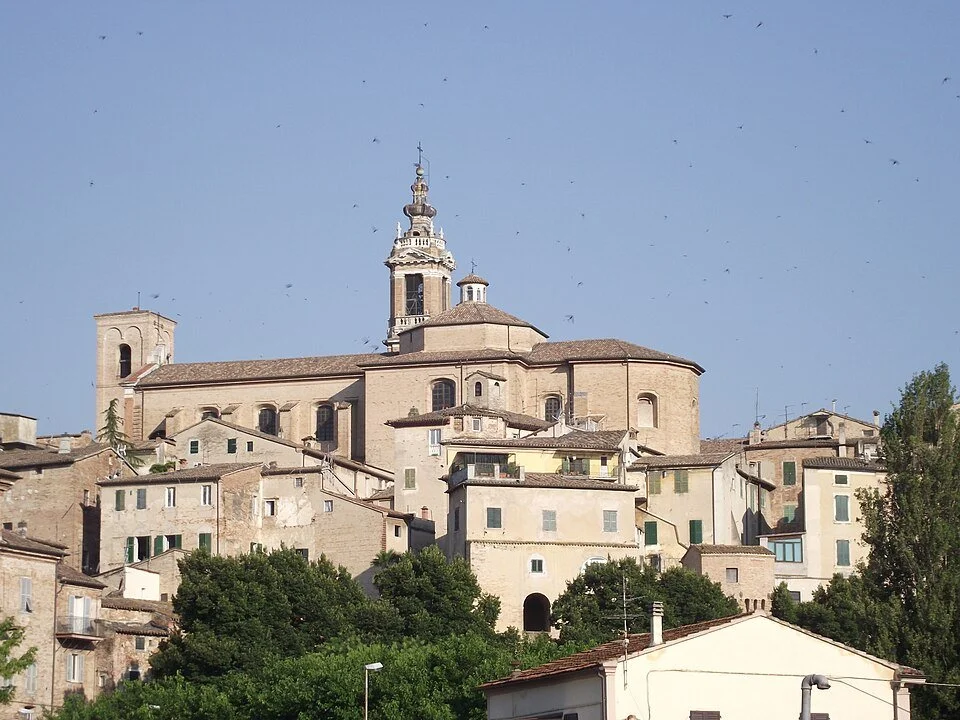
Jesi Castle
Jesi is the main centre in the Vallesina valley, which extends along the middle section of the Esino river, from Serra San Quirico to the mouth at Rocca Priora. Dominated by the mass of Mount S. Vicino, the valley is enclosed by hills that slope gently down towards the sea with towns dotted along their tops. The city of Jesi, which was the birthplace of Federico II, Holy Roman Emperor and King of Sicily, and the composer Giambattista Pergolesi, can boast one of the best-preserved city walls in the Marche. In Piazza Federico II stands the Cathedral of San Settimio. The Palazzo della Signoria, designed in elegant Renaissance form by Francesco di Giorgio Martini, is home to the Planettiana Library and the Municipal historical archives.
-

The Sanctuary of Loreto
The sanctuary has been one of the most important pilgrimage sites for the Catholic faith for centuries, having been visited by approximately 200 saints and beatified persons, as well as by numerous Popes. According to ancient tradition, and today substantiated by historical and archaeological research, the Santa Casa is the house in Nazareth where the Virgin Mary was born, educated, and where she received the Annunciation. The house was composed of one room in masonry, with three walls in stone placed so as to enclose a rock cavern. This cavern is worshipped by pilgrims who flock to Nazareth, that is, to the Basilica of the Annunciation.
-
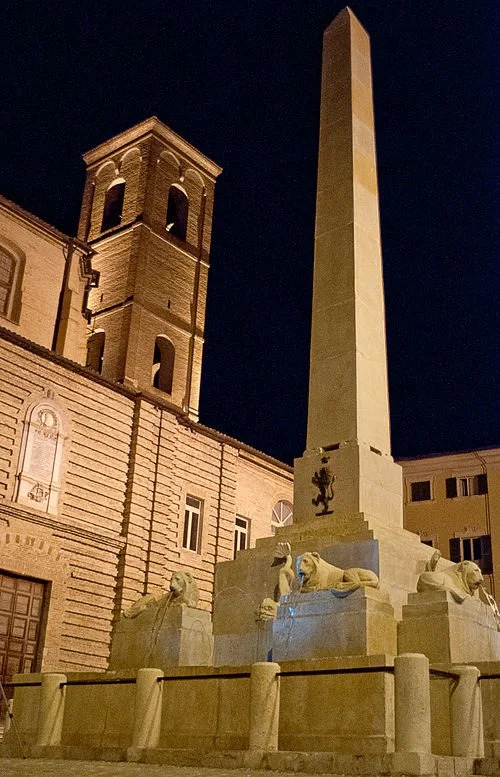
Swabian Trails
A priceless legacy visible at every corner: sumptuous fortifications, monasteries, palaces, and churches where courageous figures were born, some supportive, others hostile to the Emperor. Frederick II's Marche is an intricate land of struggles, alliances, divorces, art experiments, and linguistic innovations; a past whose shoots have helped to create the splendid region of the present. This journey into the Middle Ages has its fulcrum in Jesi, the city where it all began, with the birth of Federico II di Svevia. on 1194 in the square now dedicated to him, and where the museum that bears his name is located. On the descent from Milan to Sicily, the couple separated near Piacenza, where Constance followed a safer route for her state and organized with stops in cities loyal to the Swabians.
-
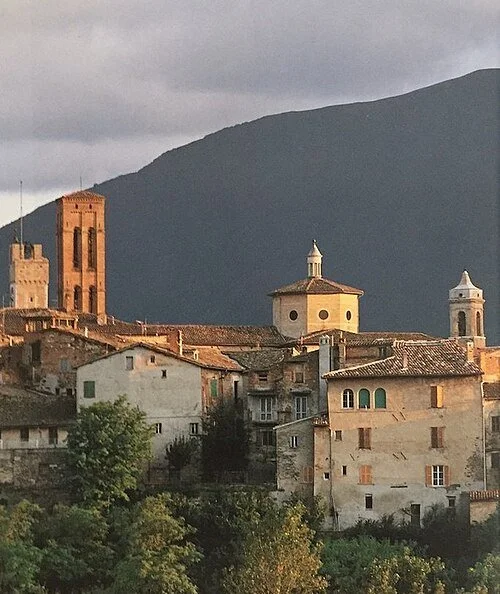
Matelica and Brass
An ancient city, founded on an alluvial terrace in the form of an oppidum or fortified center around the fifth century BC, Matelica has been destroyed several times over the centuries. Of very ancient origins, as demonstrated by recent archaeological discoveries, it tells its story in the rooms of the Piersanti Museum where the mysterious Globe of Matelica is temporarily kept, a spherical sundial of the I-II century AD, unique in its kind in the world, with inscriptions in Greek, able to calculate the hour, day, month, and zodiac sign.
-
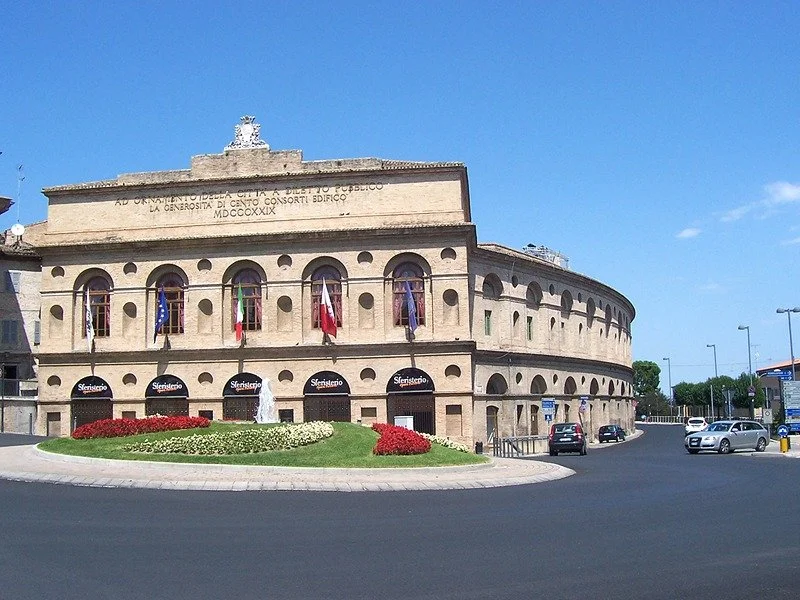
Sferisterio Teather
Located in the city's historic center, Macerata’s Sferisterio is a magnificent semicircular arena that was formerly used for the ball game with an armband. Today, it is a true open-air opera house and venue for cultural festivals and concerts. Giuseppe Verdi's Aida was the first performance to be staged here in 1921, and leading the way for the arena's new, enduring path of opera and entertainment. With 2,500 seats and perfect acoustics, this venue has seen some of the most famed singers and conductors take turns on its stage. The Sferisterio is known for the Macerata Opera Festival, a summer opera season in which opera, film, and symphonic repertoire come together to create a true cultural and entertainment event under the stars.
-
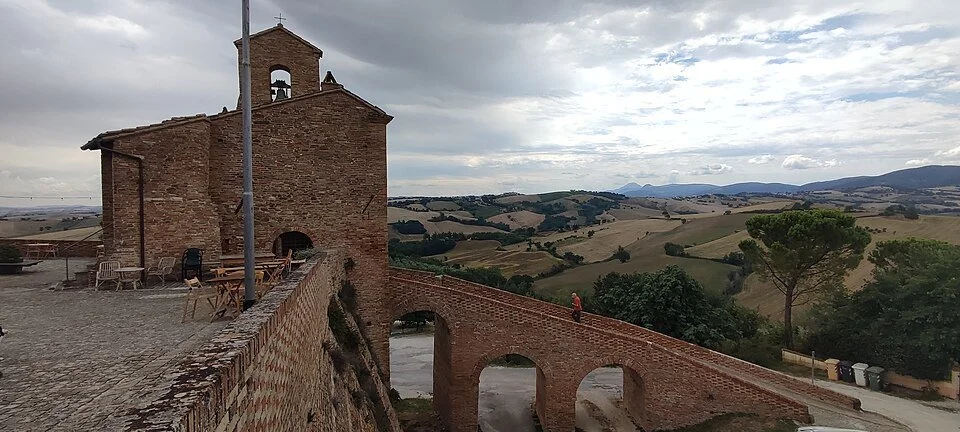
Arcevia Castle
Arcevia is located on a hill with the charming name of Monte Cischiano, an extension of the lowlands of the pre-Apennine chain on the Umbria-Marche Region slopes. Its 13th/16th-century town walls that still retain several towers and four gates, which are formidable but easily accessible in places. The most interesting buildings of the old town are: the baroque collegiate church of St. Medardo, which contains masterpieces by Luca Signorelli, works by Della Robbia, Gian Battista Salvi and Claudio Ridolfi; the Misa theatre, an architectural gem built between 1840 and 1845 inside the Palazzo dei Priori and the Church of St. Agatha; the Cultural Centre of San Francesco, housed within the former Franciscan convent where the Renaissance cloister and the magnificent church are located.