
MARCHE
![Photo by [Bernard Hermant] — [• Unsplash]](https://images.squarespace-cdn.com/content/v1/6249e81f18357d21cff3ee57/1773514043197-MOBVEK8P1KI6MDD0CNRP/unsplash-image-SKhJ26uapQI.jpg)
Overlooking the Adriatic Sea in the heart of Italy, Le Marche encompasses an extraordinary variety of landscapes and traditions. What makes Marche special is exactly what your passage captures: it’s not one landscape, but a sequence of hidden worlds, mountain, cave, gorge, hill, and sea, each revealing itself only if you take the time to look. Hills and valleys, secret caves, those of Frasassi, the largest karst complex in Europe, the Infernaccio canyon and the sea with the beaches of the Two Sisters, with white rocks or the beach in Portonovo, and finally the Conero, overlooking the sea. Passing through ancient villages and cities of art, this territory fascinates and invites you to discover it calmly, revealing its cultural and natural richness. Le Marche offers a unique mix of art, nature, and spirituality; not to be missed are the Renaissance city of Urbino, a UNESCO Site, the spectacular Frasassi Caves, the Riviera del Conero with its beaches, the suggestive Castle of Gradara, and the city of Ascoli Piceno. Don't miss Recanati, Loreto, and the Sibillini Mountains.
![Photo: [ Alessio Patron]— [• Unsplash]](https://images.squarespace-cdn.com/content/v1/6249e81f18357d21cff3ee57/1773516775903-O0RU14LAVVWRD7OKMLAW/unsplash-image-CcxyQJmISeQ.jpg)
About Marche
Le Marche is a region in central Italy, overlooking the Adriatic Sea, the only one in Italy with a plural name, indicating its multifaceted nature. They present a landscape of parallel valleys that descend from the Apennines towards the sea, with low and sandy coasts, interrupted by the Conero promontory. The Riviera del Conero is included in the Conero Regional Park. The Conero Rivera e Colli dell'Infinito is the ideal place if you are looking for an immersive experience among villages, sea, and nature. The Conero Riviera offers a great variety for sea lovers. From solitary coves to well-served beaches. In this region, you can choose between beaches of fine sand, gravel, or rock, with rocks or palm trees. In the interior, however, there is an extraordinary landscape, made up of green and golden hills, cloaked in woods and meadows that alternate in sweet harmony with orderly wheat fields and olive groves. The Marche Apennines really leave you surprised: peaks such as that of Vettore, which with its 2476m overlooks the Sibillini and their magical legends; mountains in which the wonder of caves among the largest and most important in the world such as those of Frasassi opens up; walls of brightly colored rocks where, already in Roman times, tunnels were dug and roads that have made history were built, such as at Furlo.
Things To Do
What makes Marche unique is this quiet richness. Across its towns and villages, you find masterpieces by some of the greatest artists in European history: Piero della Francesca, Lorenzo Lotto, Raphael, and Carlo Crivelli. These works aren’t confined to major museums—they appear in quiet churches, small galleries, and hilltop towns, making discovery feel personal and unexpected. To the west, the Apennines keep a safe watch, gently sloping down along parallel valleys to the sea, and to the south, the haughty peaks of the Sibillini Mountains, which exceed 2 thousand meters and make the hearts of botany enthusiasts, hiking, and trekking enthusiasts beat faster.
Among the most beautiful villages in Italy, Torre di Palme preserves a corner of unspoiled nature full of charm with its panoramic views where the deep blue coastline meets the soft green hills. The Riviera del Conero is included in the Conero Regional Park. In Fossombrone, nature has sculpted an authentic masterpiece: the Marmitte dei Giganti. This authentic natural monument enchants and fascinates anyone who ventures there. Among rolling hills that plunge into the blue of the Adriatic, Monte San Bartolo offers spectacular views and dreamlike atmospheres. Cities of culture, such as Recanati, where Giacomo Leopardi was born. Urbino, a UNESCO World Heritage Site, in the 1400s home to one of the most important courts in Europe with the Dukes of Montefeltro, strikes for the grandeur of the famous ducal palace with its twin towers. There is also the house where Raphael lived. The journey will take you to the city of a hundred towers, Ascoli Piceno. There is room for spirituality with the largest Marian shrine in Italy, in Loreto. Pesaro, suspended between Marche and Emilia Romagna, is known to opera lovers because Gioachino Rossini was born here and the Rossini Opera Festival is dedicated to him. Ancona, the thousand-year-old capital, with its Cathedral of S. Ciriaco, which stands on the promontory, which took the place of a Greek temple dedicated to Aphrodite in 400 BC. You will go through the cellars to taste Verdicchio and Vernaccia di Serrapetrona, as well as Visciole wine produced from wild cherries.
![Photo by [Patrick Schneider] — [• Unsplash]](https://images.squarespace-cdn.com/content/v1/6249e81f18357d21cff3ee57/1777387485051-36TY9JBPNESKTHZ6RIHS/unsplash-image-Bhsj6ai7pUA.jpg)
Photo by [Patrick Schneider] — [• Unsplash]
Cities To Visit
-
The Capital of the Marche Region, its Greek origins and Roman domination are still visible in the Arch of Trajan, the walls, and the Roman amphitheatre. In the city centre to discover the beautiful medieval churches and their imposing cathedral, you can not miss a visit to the "fountain of 13 spouts".Its historic center, a few meters from the ferry embarkation, houses art treasures, beautiful buildings and that liveliness that only port cities possess. To be discovered on foot, from the port to the Duomo, up to the Cardeto park and the Passetto beach, where the people of Ancona go to enjoy the sea, Ancona is a city that knows how to amaze. one of the first monuments to attract attention is the pentagonal building at the entrance to the ancient port, the so-called Mole Vanvitelliana, named after its architect Luigi Vanvitelli. Going up to the acropolis, you will see the beautiful church of the Gesù, another work by Vanvitelli, overlooking the sea. Next, the Roman Amphitheater, rediscovered in the nineteenth century, and finally the Cathedral of San Ciriaco, the Roman-Gothic basilica built on the remains of a temple dedicated to Venus and an early Christian basilica
-
One of the most important centres of the Italian Renaissance, whose artistic charm and architectural heritage are still preserved today. Urbino is a city of vast historical and artistic wealth. From a simple village, it became the “cradle of the Renaissance” and, even today, walking through its historical centre you can breathe in the 15th-century air. In 1998, Urbino was lincluded in the UNESCO World Heritage List for being a point of attraction for the most illustrious Renaissance scholars and artists from all over Italy and the world, and for having influenced cultural progress in the rest of Europe, while managing to keep its exceptional urban complex almost intact. in the 15th century, thanks to Federico da Montefeltro.
-
Fermo will amaze you with the extraordinary panoramic views of the sea and the hills. Its charm and beauty can be grasped by wandering through the narrow and winding streets, often still all in terracotta , a legacy of Roman and medieval origins and through the alleys of the historic center , and in the alleys surrounded by dark houses. Or by observing the fifteenth-century palaces, the Renaissance buildings that we bear witness to the city over the centuries. The heart and symbol of Fermo is precisely Piazza del Popolo, which has always been a spectator and active part of the city's events. It is overlooked by the symbolic places of the city, such as the Renaissance Palazzo dei Priori with the Civic Art Gallery and the Sala del Mappamondo, which houses the oldest fund of the Civic Library or the Duomo with its asymmetrical façade and in Istrian stone and inside a treasure trove of works of art such as a Greek-Byzantine icon of the twelfth century or the remains of the mosaic floor of the previous early Christian church of the fifth century on which it was built.
-
Macerata is located between the Adriatic sea and the Appennine Mountains surrounded by hills overlooking the beautiful sea. In the central Piazza della Libertà is the Loggia dei Mercanti with two-tier arcades dating from the Renaissance. There are a number of striking palaces, mostly along Corso Matteotti, including Palazzo dei diamanti. Next to the Loggia dei Mercanti, Corso della Repubblica leads to Piazza Vittorio Veneto where, in the Palazzo Ricci, there is a modern art gallery. Another museum is Palazzo Buonaccorsi which contains the Eneide Hall (a gallery with paintings and frescoes from the 18th century) and the Carriages Museum. Here you can also admire the splendid frescoed vault of the Aeneid hall and do not miss the Adoration of the Magi by Tintoretto, which once embellished the Bramantesque church of S. Maria delle Vergini, with a slender octagonal dome and which is located outside the walls, about 2 kilometers from Porta Picena. The Arena Sferisterio Association, founded by the Municipality of Macerata and its Province, promotes and organises the Macerata Opera Festival,with the aim of promoting and organising festivals, opera seasons, and other artistic and cultural events.
-
Pesaro in 2017 it obtained UNESCO recognition as a Creative City for music, for the promotion and reinterpretation of Rossini's music, having been the birthplace of the famous composer Gioachino Rossini, born in Pesaro in 1792 and died in Passy, Paris in 1868. Among the buildings of religious architecture we note: the Cathedral, erected on the remains of a late Roman building, which boasts an interesting mosaic heritage; the Church of Sant'Agostino, which preserves a remarkable Gothic-Venetian portal on the façade and important paintings inside; the Sanctuary of the Madonna delle Grazie, built in the thirteenth century by the Malatesta family and rebuilt in Baroque style. Among the monuments and museums worthy of note not to be missed are: the fifteenth-century Rocca Costanza, the Doge's Palace, the Oliveriano Archaeological Museum and the Civic Museums, with the Art Gallery and the Museum of Ceramics. The Sonosphere, a space designed for the immersive use of three-dimensional sound and audio-visual content; Casa Rossini, which preserves documentary material, including prints and memorabilia related to the life and work of the great composer .
-
Ascoli Piceno still retains the unparalleled charm of the villages of central Italy where time seems not to have passed. The stately and elegant squares, the historic churches full of treasures, the towers and bell towers that dot its profile. The history of Ascoli Piceno is based on ancient origins. If finds indicate that the area was already inhabited in the Neolithic era, it is in the third century BC that the Romans settled in the territory of the Piceni, making Asculum a nerve center thanks to its position on the Via Salaria. Many and varied events involved the city over the centuries but the Roman period for Ascoli Piceno, and all the Marche, was synonymous with great prosperity. Among all Piazza del Popolo and Piazza Arringo. Palazzo dei Capitani with its crenellated medieval tower, an architectural symbol of the entire city. Among the museums we recommend the Civic Art Gallery housed in Palazzo Arringo where you can admire works, among many others, by Turner, Morelli, Palazzi, Celentano, Pellizza da Volpedo, De Carolis.
-
The splendid city of Loreto, immersed in the Marche countryside, owes its fame to the sanctuary where the Holy House of the Virgin Mary is preserved and venerated; a sacred place, defined by John Paul II as the "true Marian heart of Christianity". The sanctuary has been for centuries and still is one of the most important places of pilgrimage in the Catholic world. It has been visited by about 200 saints and blesseds, and by numerous Popes.In this town you can breathe air of art and spirituality. The sanctuary of the Holy House of Mary, located on a hill, is one of the main pilgrimage destinations in the world. The art and history of this village can be breathed step by step in the churches and streets.The magnificent sanctuary in Loreto. Among the most valuable works, the marble covering that wraps the walls of the Holy House, commissioned by Julius II and designed by Bramante (1507) is considered one of the greatest sculptural masterpieces of Renaissance art.
-
Characteristic in Recanati, is the wonderful surrounding landscape located halfway between sunny hills and blue sea. The birthplace of one of the most famous poets of Italian literature, Giacomo Leopardi, has been defined by himself as the "city of infinity". Everything in Recanati evokes Giacomo Leopardi: from the streets and squares to the monuments, from the tourist plaques and the signs of the clubs to the doors of the artisan shops that bear Leopardi's verses on the door. Then there are the places of Giacomo and his poems.In Recanati the suggestions about Leopardi are certainly strong, but the town has a charm of its own due to its millenary history, the architecture of the fifteenth and sixteenth centuries and the eighteenth-nineteenth centuries of the palaces along the main streets, the many works of art preserved in churches and museums, such as the precious collection of paintings by Lorenzo Lotto in the Civic Art Gallery.
![Ancona — [Photo by: Francesco Ungaro] — [• Unsplash]](https://images.squarespace-cdn.com/content/v1/6249e81f18357d21cff3ee57/1773519966348-L3R4SMEMNND4BZ7RSHAB/unsplash-image-mcez4izJcZg.jpg)
Ancona — [Photo by: Francesco Ungaro] — [• Unsplash]
![Urbino — [Photo by: Marian Luzi] — [• Unsplash]](https://images.squarespace-cdn.com/content/v1/6249e81f18357d21cff3ee57/1773520021425-GC5LAX8B1CSF0O4JXEFS/unsplash-image-NI0bY-VvMi8.jpg)
Urbino — [Photo by: Marian Luzi] — [• Unsplash]
![Pesaro — [Photo by: Paola F] — [• Unsplash]](https://images.squarespace-cdn.com/content/v1/6249e81f18357d21cff3ee57/1773520088068-DGB0H93PEDSPM20LPLCI/unsplash-image-qbr_J2IFbHw.jpg)
Pesaro — [Photo by: Paola F] — [• Unsplash]
![Fermo — [Photo by: Antonio Sessa] — [• Unsplash]](https://images.squarespace-cdn.com/content/v1/6249e81f18357d21cff3ee57/1773520341386-YNML1L990VECOLKUYR8Y/unsplash-image-QbDkCtIQ4Cs.jpg)
Fermo — [Photo by: Antonio Sessa] — [• Unsplash]
![Loreto — [Photo by: Matteo Panara] — [• Unsplash]](https://images.squarespace-cdn.com/content/v1/6249e81f18357d21cff3ee57/1773520405625-7IPSSIZ9KCM970GQMRSN/unsplash-image-VpJT0sFjW4E.jpg)
Loreto — [Photo by: Matteo Panara] — [• Unsplash]
![Macerata — [Photo by: Luca Florio] — [• Unsplash]](https://images.squarespace-cdn.com/content/v1/6249e81f18357d21cff3ee57/1773520627004-DOMQGZH40YXJGXXEEKMU/unsplash-image-abn7HzPuqyk.jpg)
Macerata — [Photo by: Luca Florio] — [• Unsplash]
![Ascoli Piceno — [Photo by: Alessio Zappatore] — [• Unsplash]](https://images.squarespace-cdn.com/content/v1/6249e81f18357d21cff3ee57/1773520709889-WHKKLVDN5O5NG2V6LBDT/unsplash-image-cM0LF7Mvb_0.jpg)
Ascoli Piceno — [Photo by: Alessio Zappatore] — [• Unsplash]
![Sirolo — [Photo by: Alessio Patron] — [• Unsplash]](https://images.squarespace-cdn.com/content/v1/6249e81f18357d21cff3ee57/1773520790147-P7EFP7BRZI27CXPXED9G/unsplash-image-CcxyQJmISeQ.jpg)
Sirolo — [Photo by: Alessio Patron] — [• Unsplash]
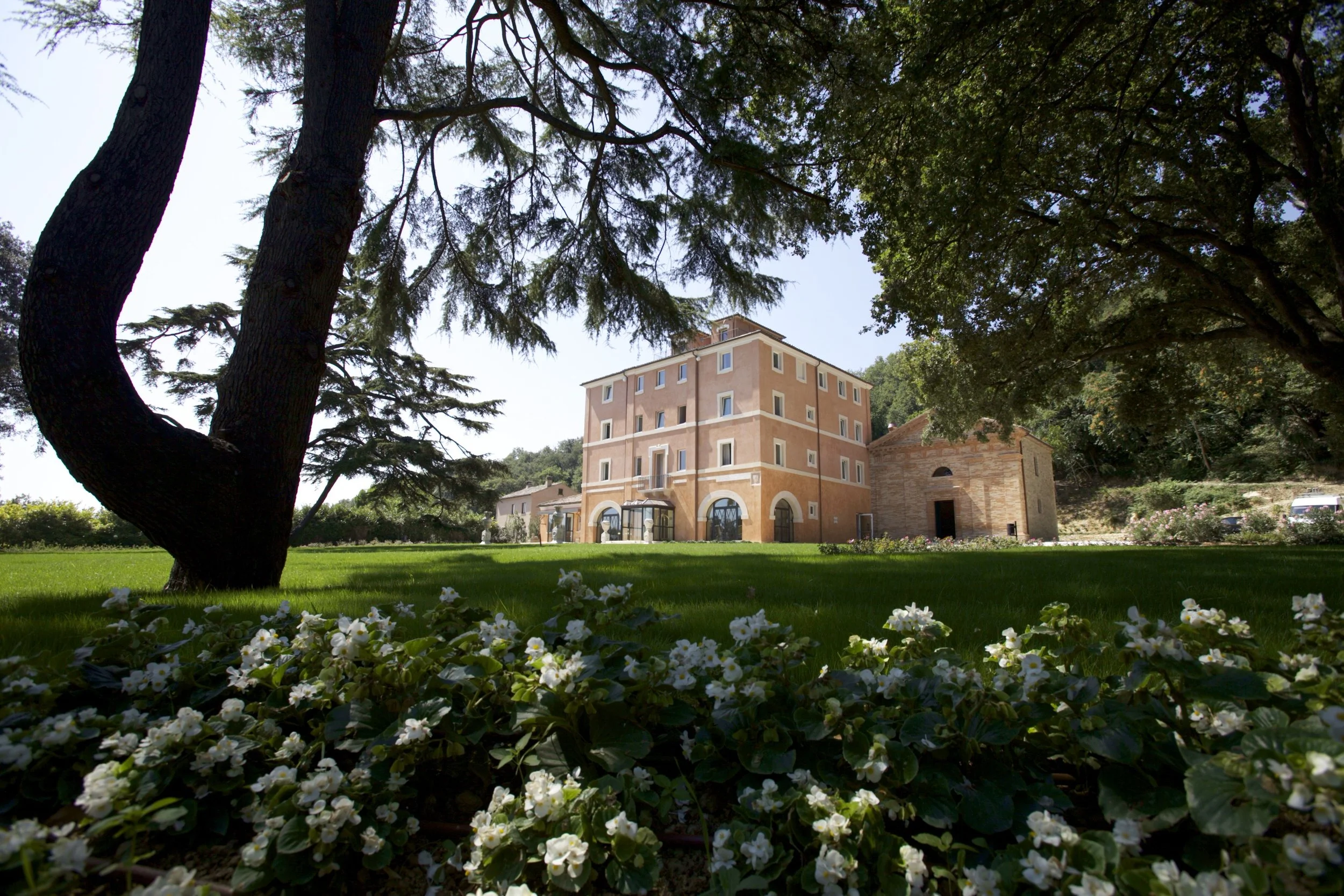
Villa Lattanzi
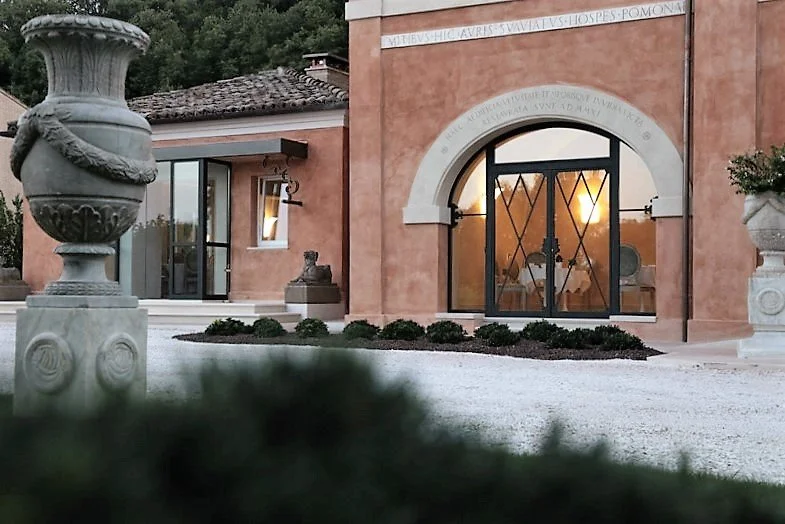
Villa Lattanzi
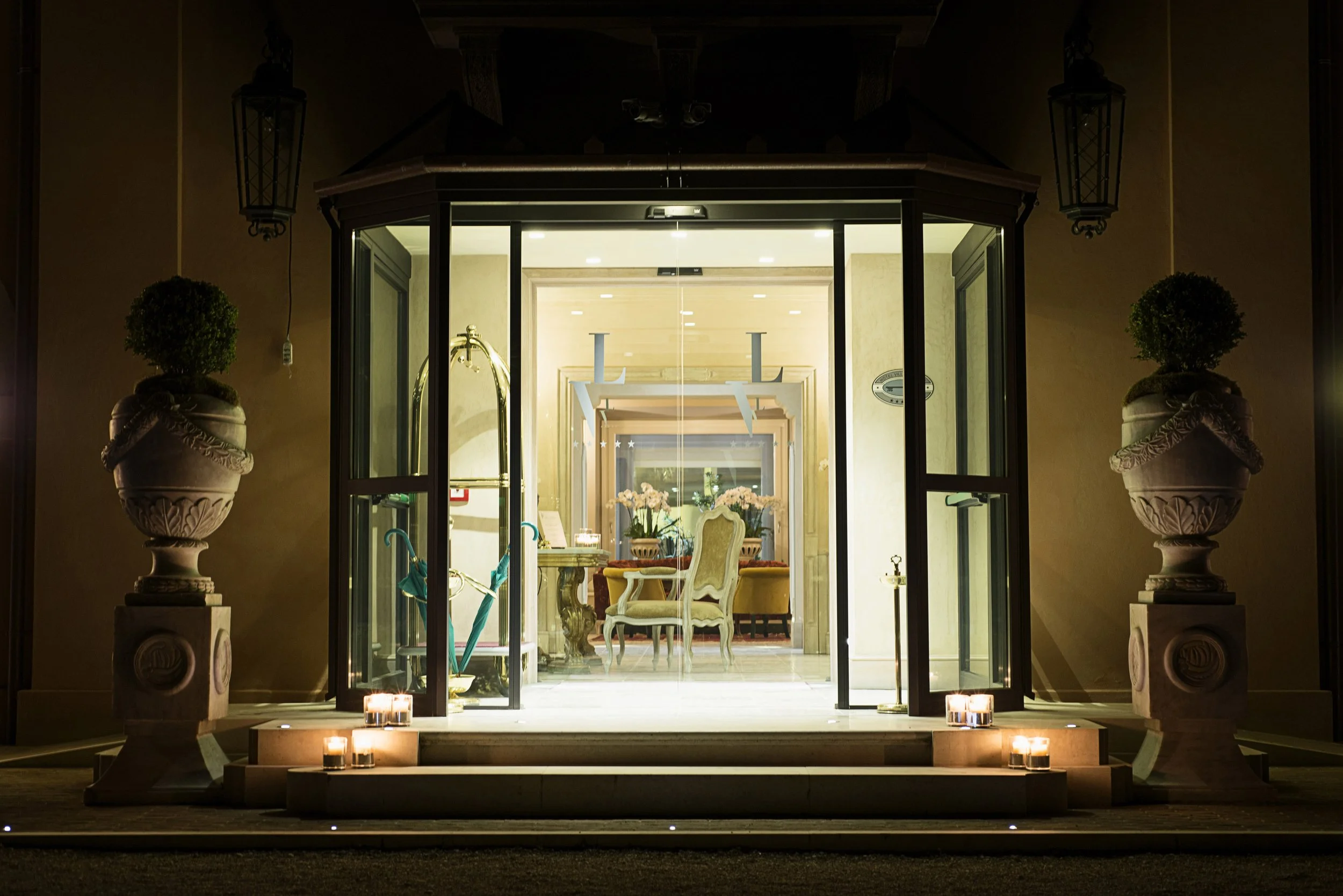
Villa Lattanzi
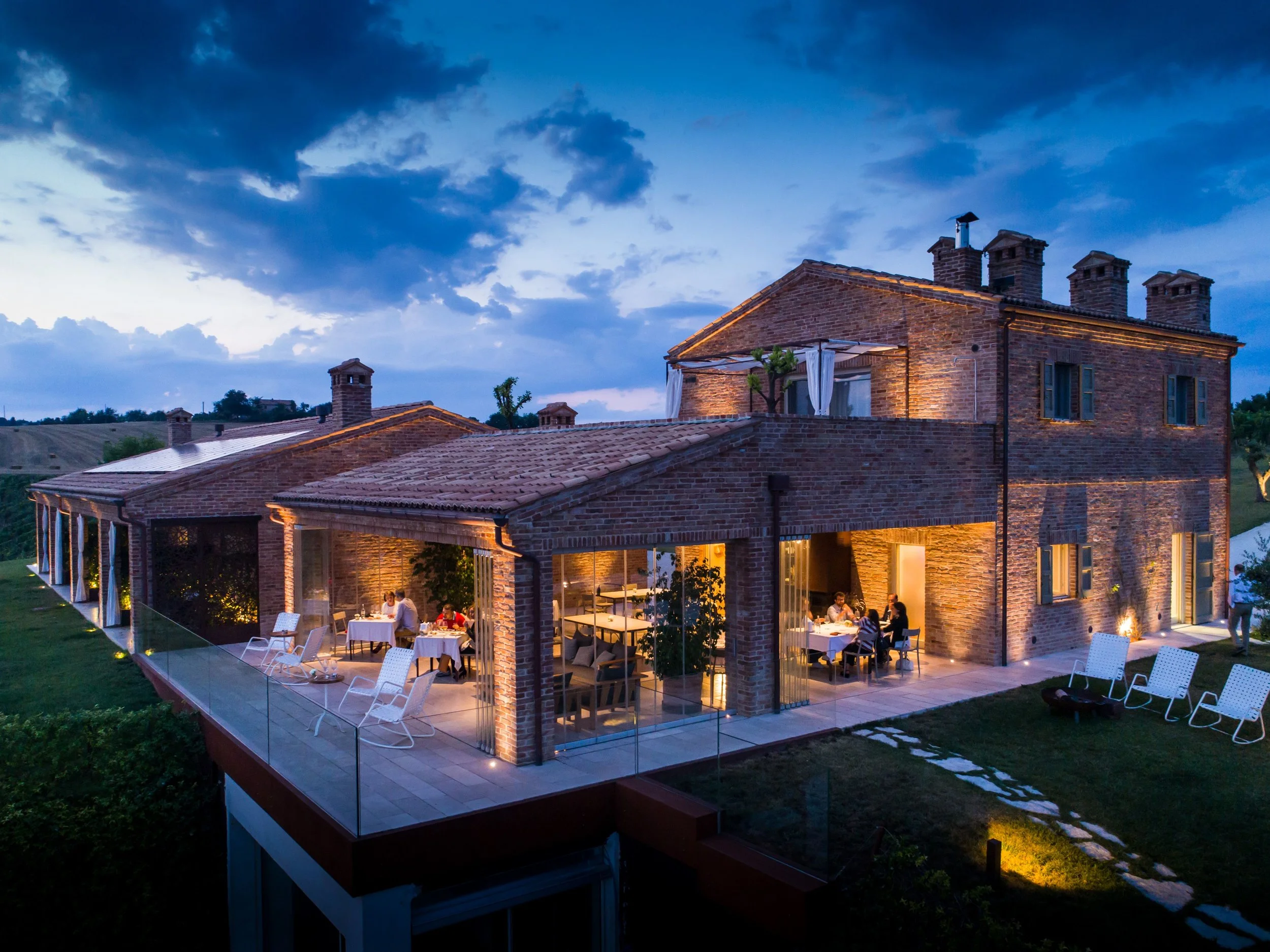
Filodivino Wine Resort & Spa
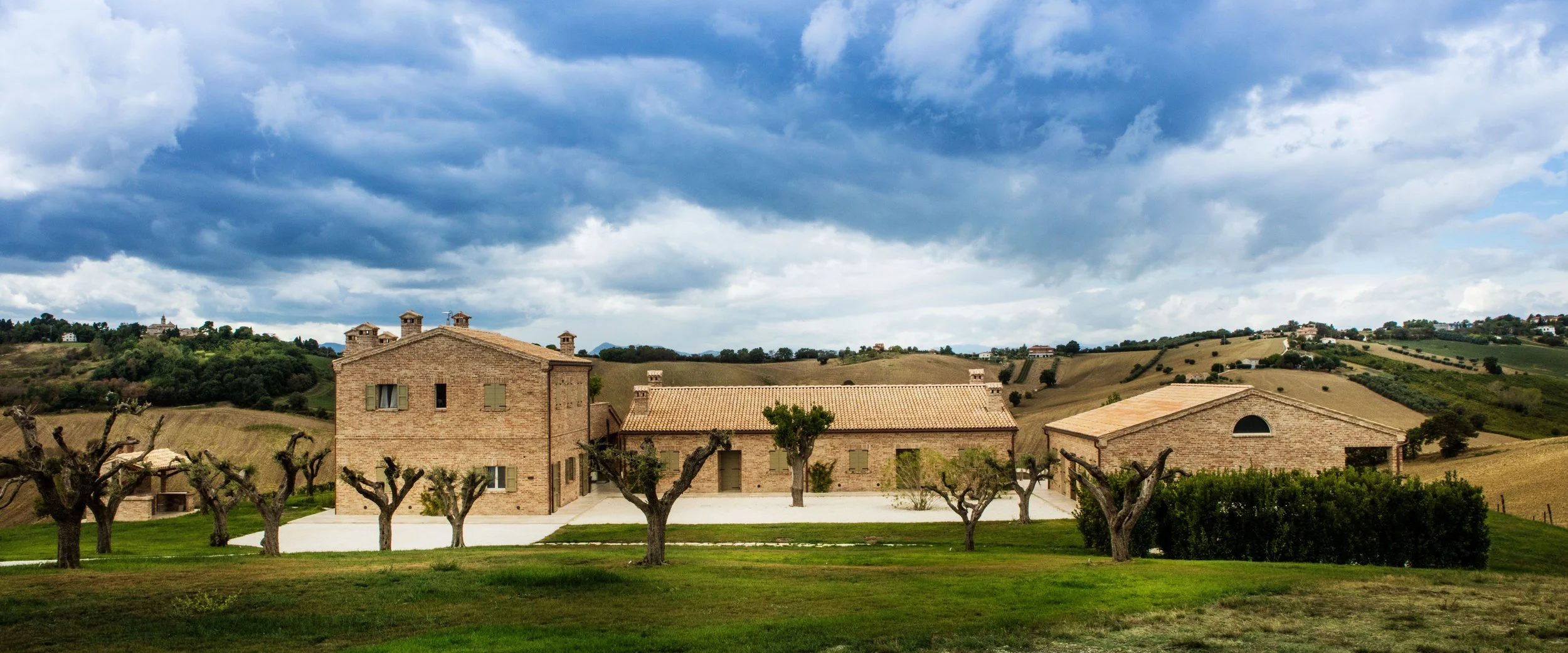
Filodivino Wine Resort & Spa
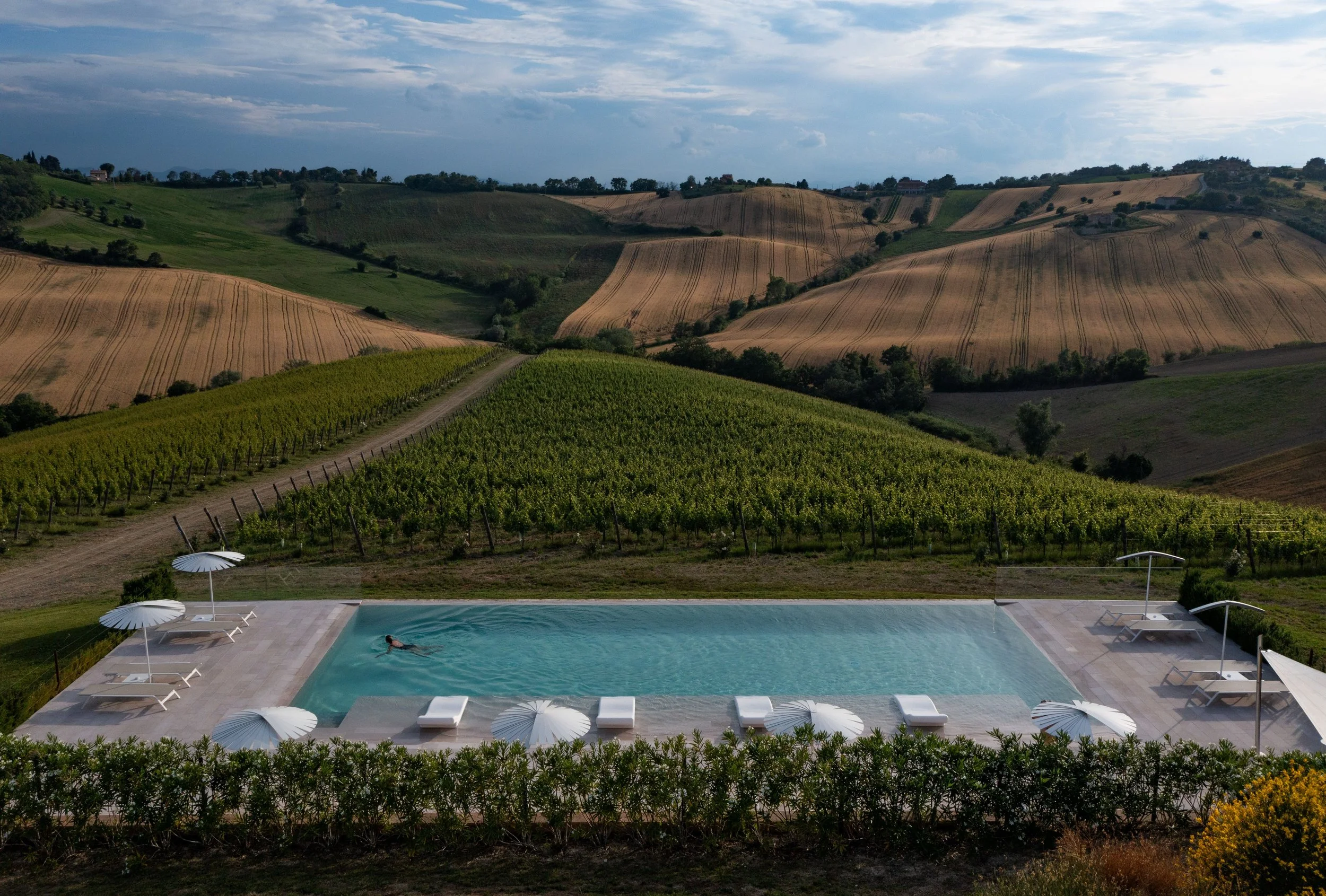
Filodivino Wine Resort & Spa
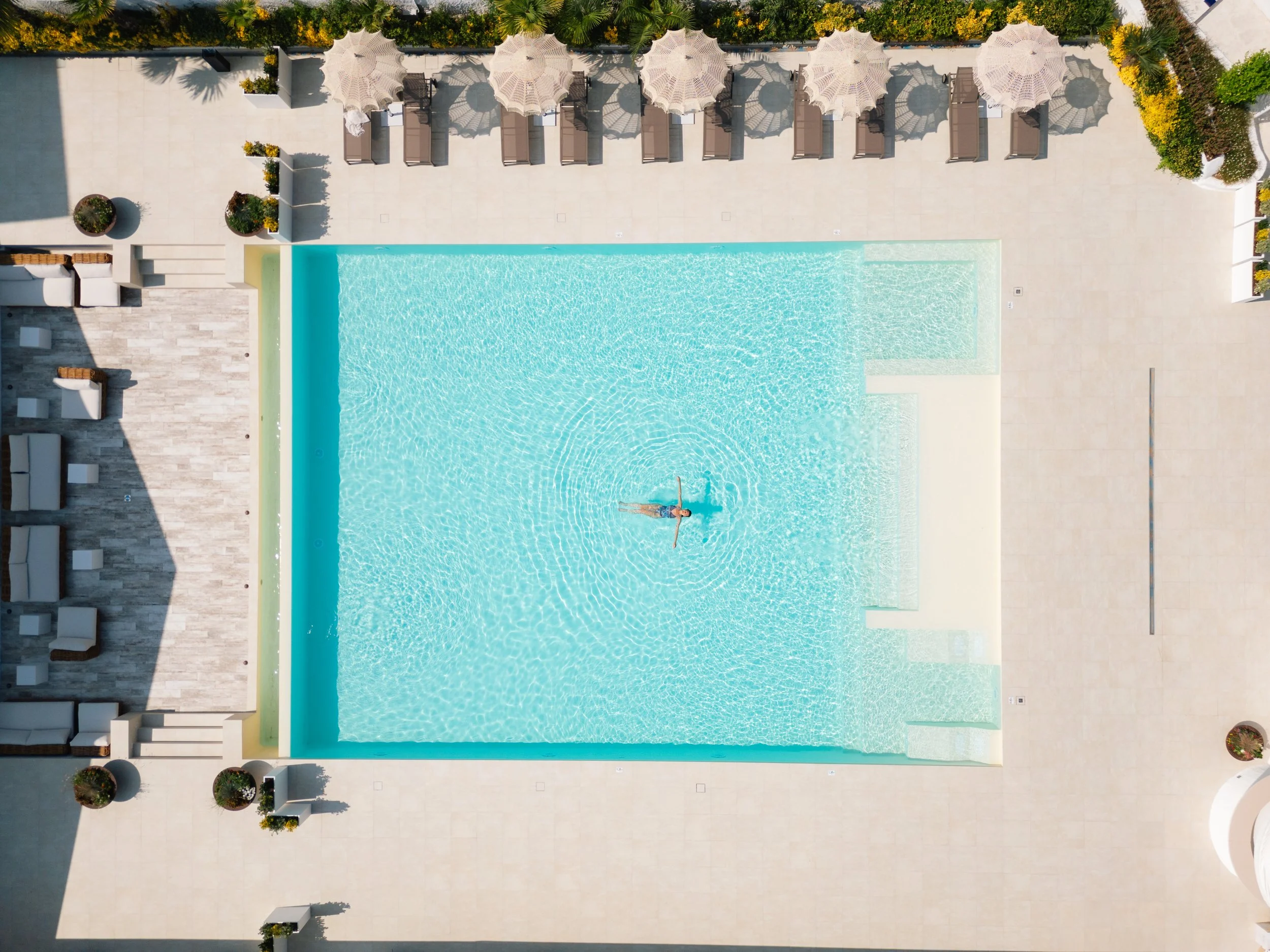
Nu Aria Taunus Relais
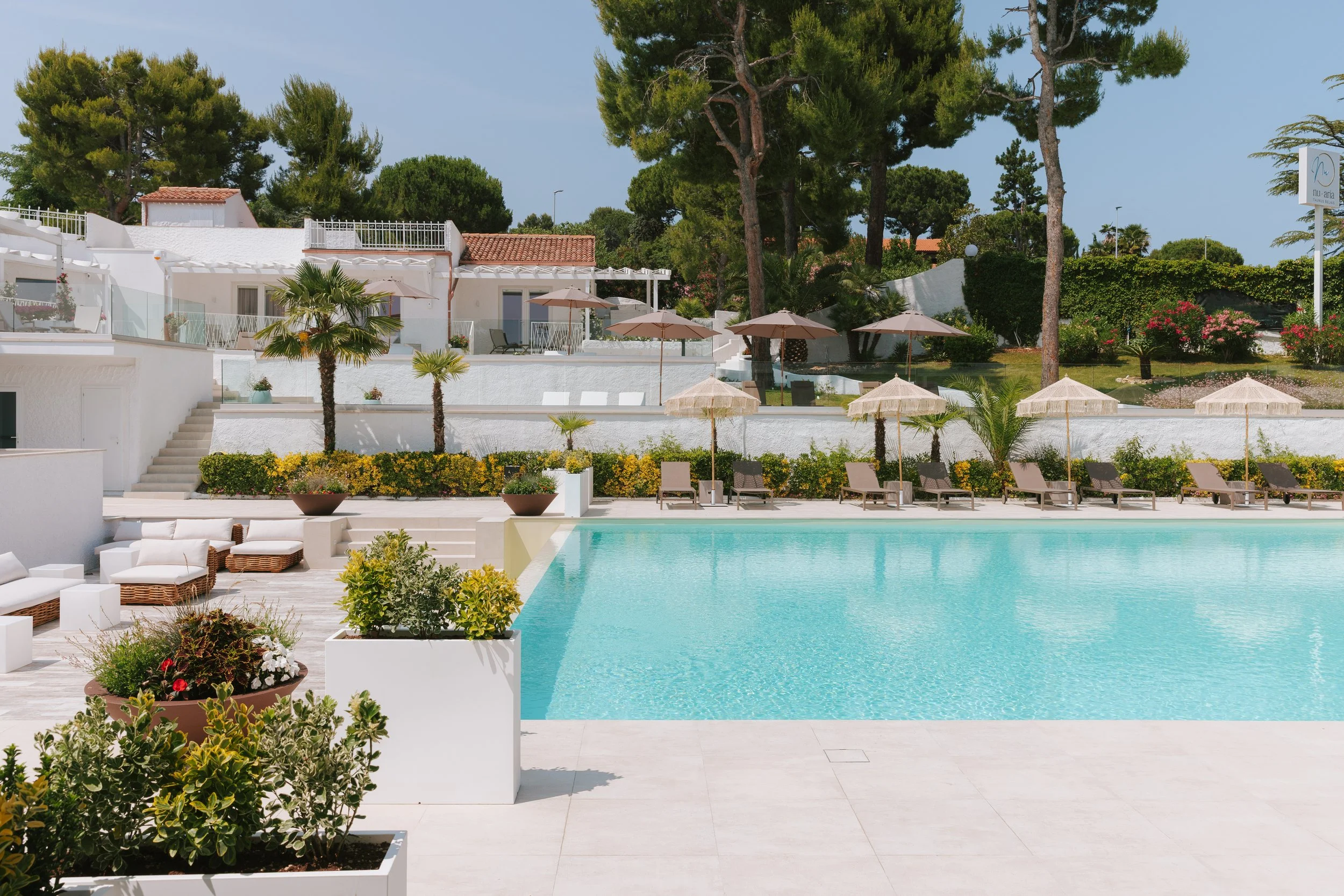
Nu Aria Taunus Relais
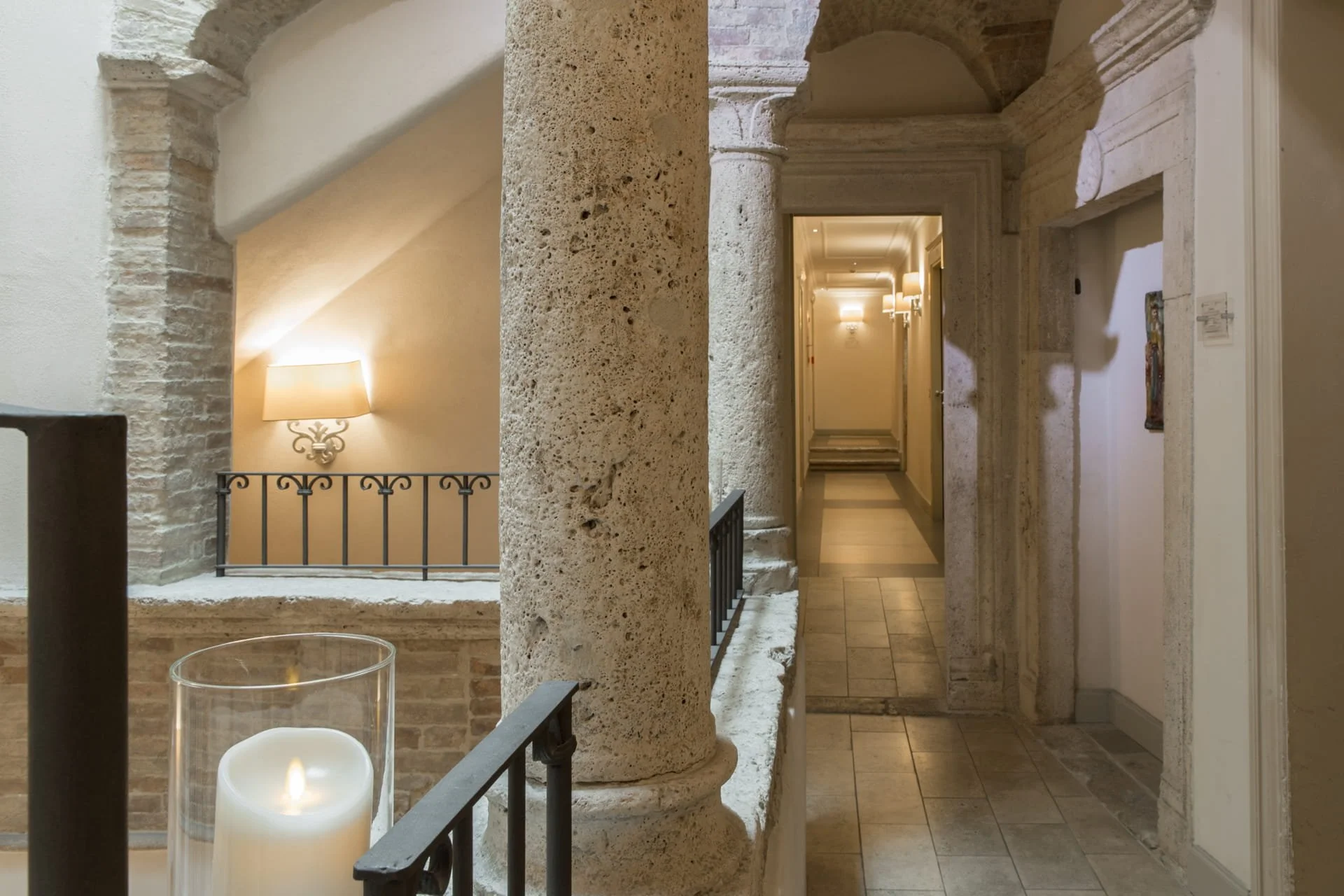
Palazzo dei Mercanti
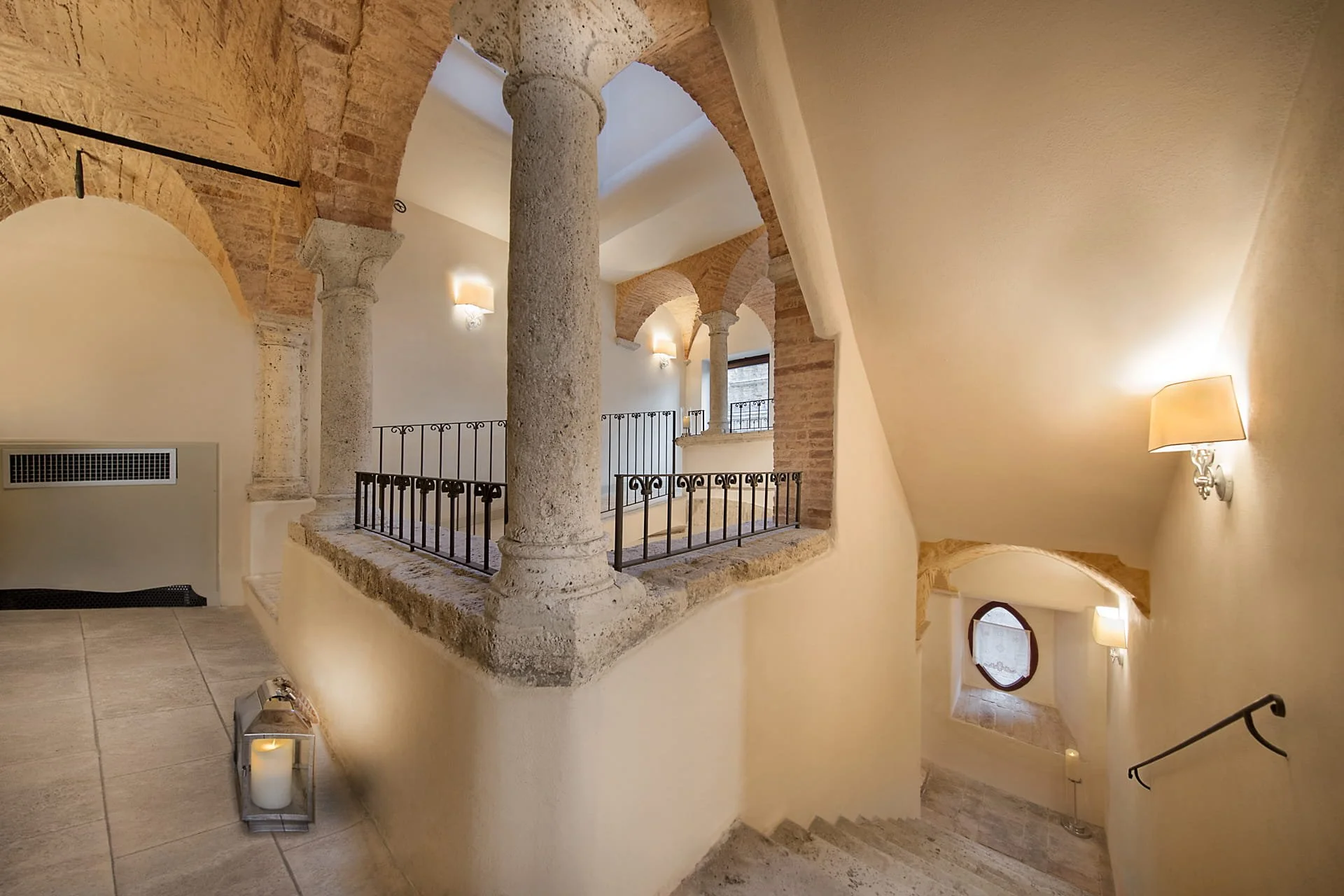
Palazzo dei Mercanti
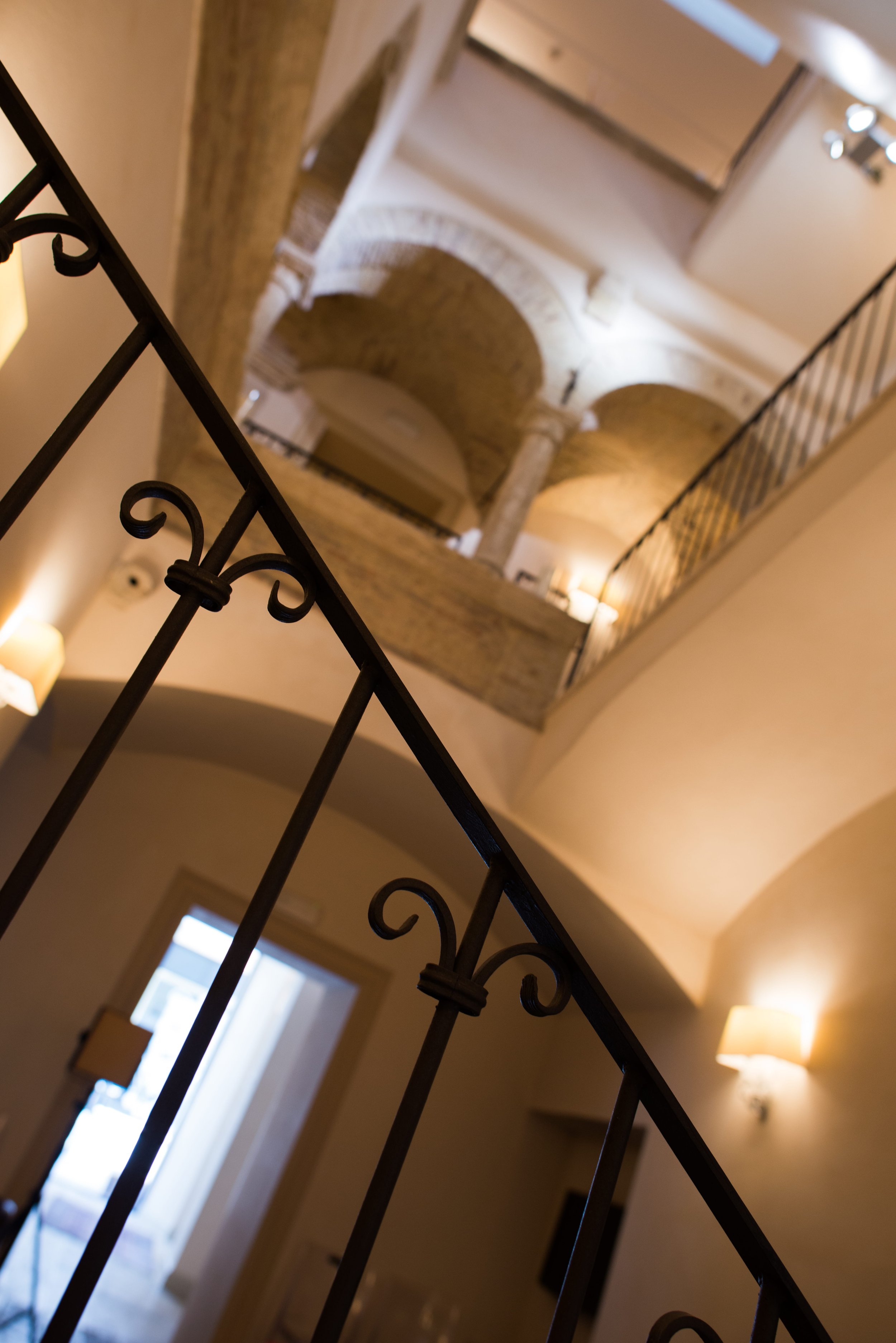
Palazzo dei Mercanti
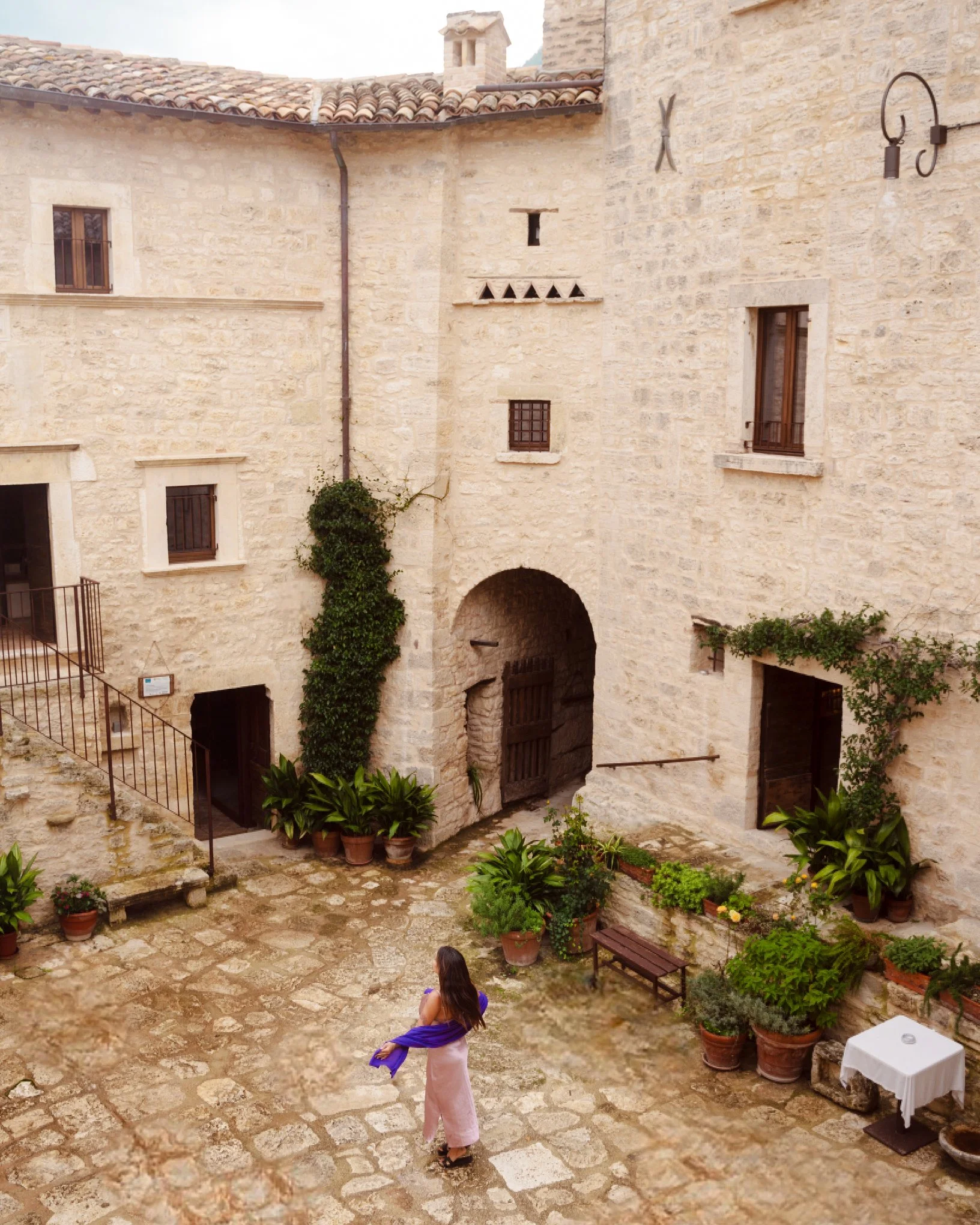
Photo: Castel di Luco
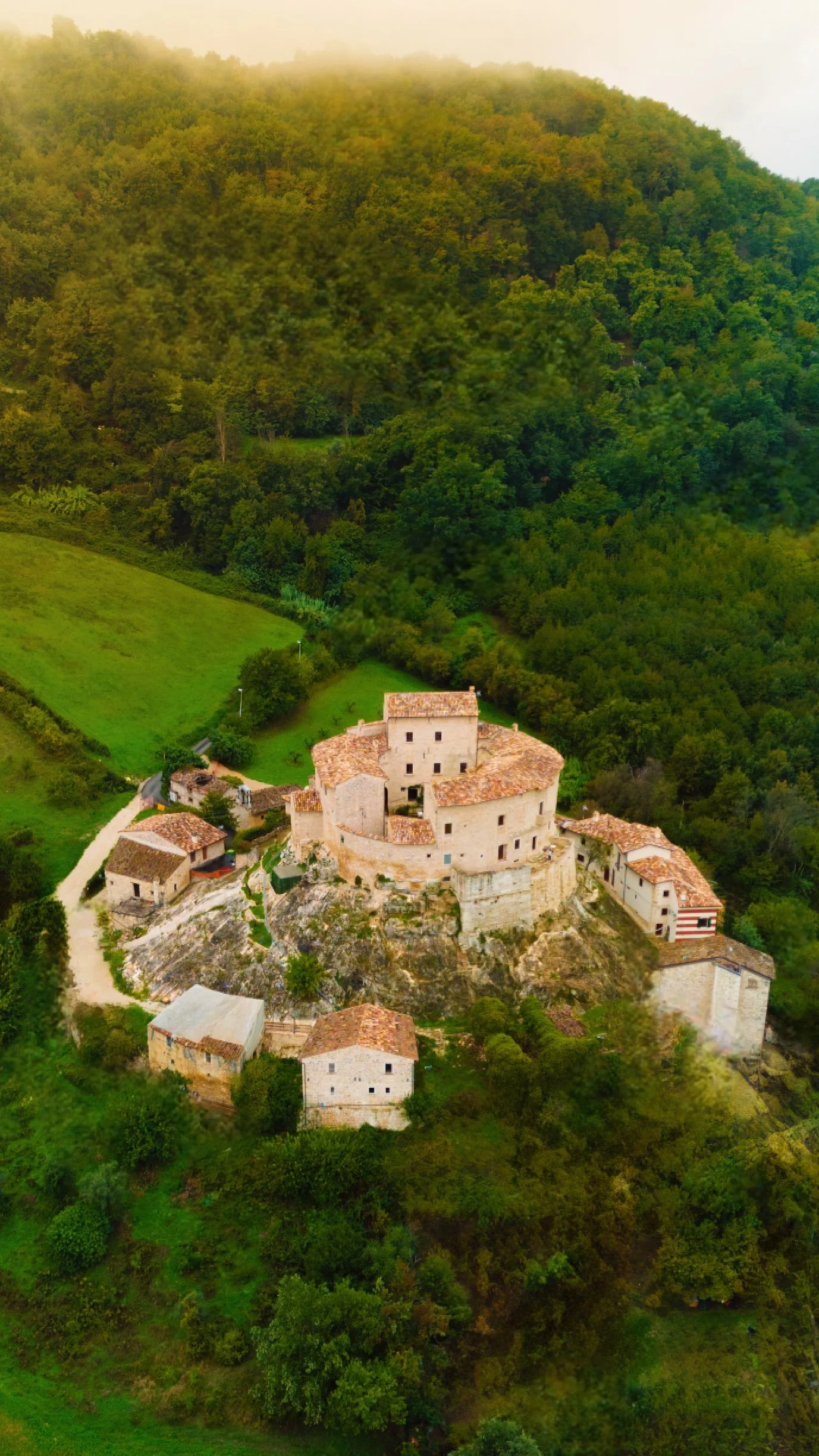
Photo: Castel di Luco
A region of a thousand faces and colors: the yellow of the sunflower fields, the green of the hills and natural parks, the red of traditions, folklore, culture, and the intense blue of the sea, lakes, and rivers.
-
The Marche are a real widespread museum, consisting of a rich network of cities of art and historic villages set among the green and soft hills, where unique masterpieces are preserved, from Piero della Francesca to Lorenzo Lotto, from Raphael to Carlo Crivelli, from P.P. Rubens to Titian, not to mention the numerous historic theaters and ancient Roman roads, testimony of an illustrious past.
-
180 kilometers of coastline, where there are 26 seaside resorts overlooking the Adriatic Sea, characterized by beautiful beaches and picturesque bays. In this region, you can choose between beaches of fine sand, gravel, or rock, with rocks or palm trees
-
The Marche offers a unique mix of art, nature, and spirituality. From the sea to the mountains, passing through ancient villages and cities of art, this territory fascinates and invites you to discover it calmly, revealing its cultural and natural richness.
-
The Marche cuisine is a balanced mix of rustic peasant traditions of the hinterland and refined seafood recipes, with strong use of local ingredients such as truffles, pork, olives and egg pasta. The vineyards of the Marche cover a predominantly hilly territory influenced by the sea, with a production equally divided between white and red grapes. The winemakers generously open their doors to you, offering experiences between taste and landscape in the magnificent multicolored scenarios that autumn can give.