
ART AND CULTURE
Umbria has an extraordinary artistic and cultural heritage, including enchanting medieval villages and cities of art full of treasures .
-
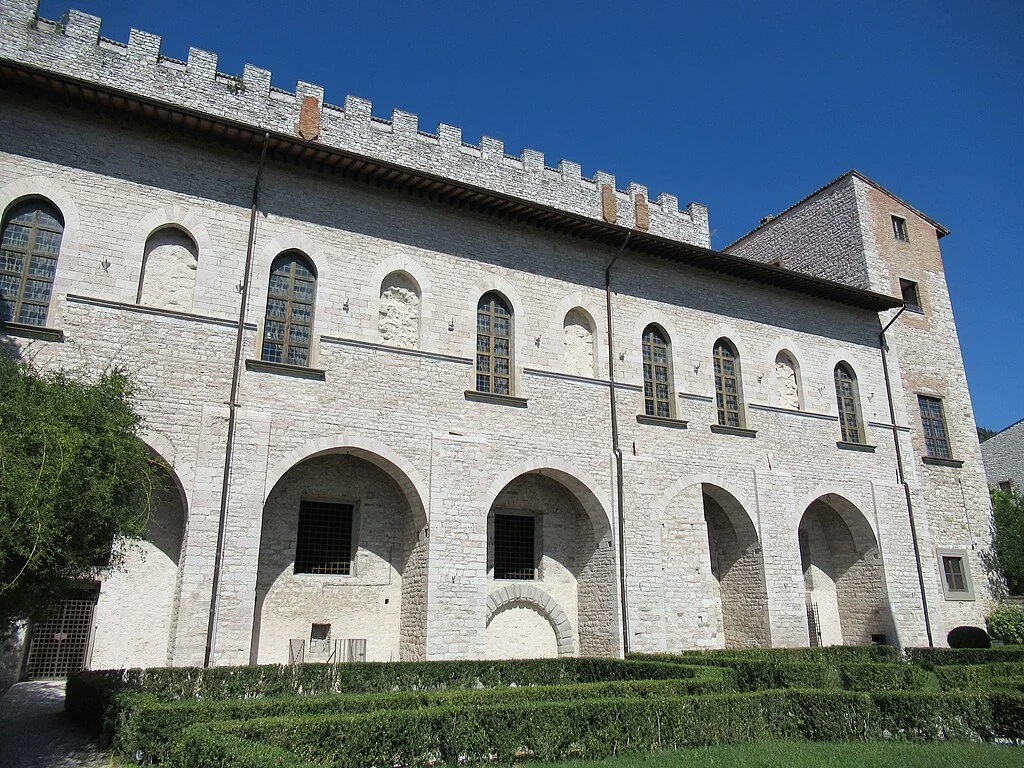
Ducal Palace Gubbio
In 1384, Gubbio was included in the domains of the Montefeltro family. For their residence, they chose blocks of flats located in front of the Duomo, in the highest part of the city. It was Federico, born at the nearby castle of Petroia in 1422, who promoted the reconstruction of the Doge's Palace in the typical forms of the Renaissance. This structure, the only example of Renaissance architecture in a mainly medieval city, is distinguished by the excellence of the architectural features and the refinement of the decorations, especially in the capitals.
-
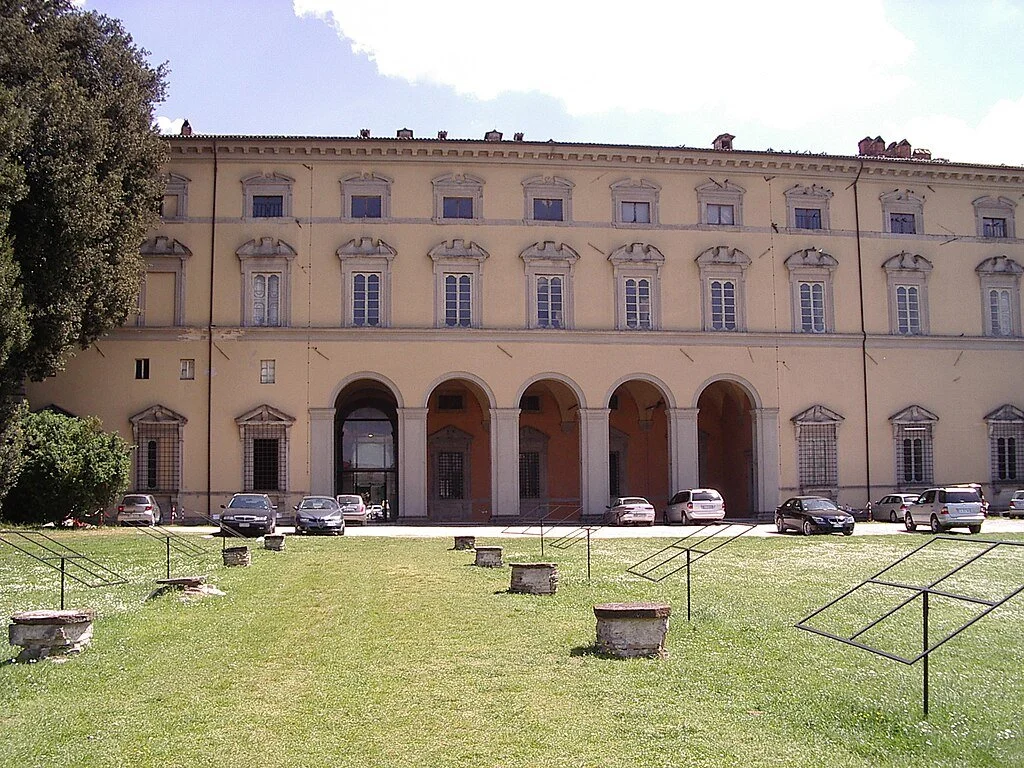
The Vitelli Palace
The Vitelli of Citta’ di Castello were one of the few Umbrian lordships, and between the fifteenth and sixteenth centuries, they consigned to history leaders and captains of fortune, such as Vitello Vitelli, in the pay first of the Venetians and then of the popes. In the historic heart of the village, you will find on the eastern side the so-called Palazzo Vitelli in the square, which remained incomplete, not far from Palazzo Vitelli in San Giacomo, from the early sixteenth century. Today it is home to the Municipal Art Gallery, which houses the second richest collection in Umbria, among which are the paintings of Luca Signorelli and one by the young Raphael.
-
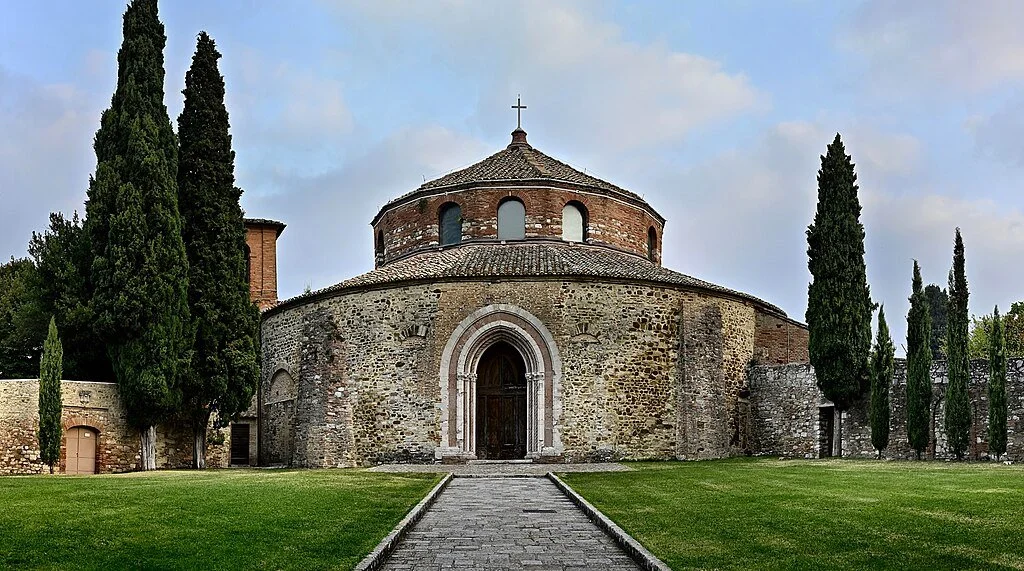
Saint MIchael the Archangel Temple
The Temple is dedicated to St. Michael the Archangel, the Holy Warrior who fought against the evil one; this dedication already represents a first strong link between the place and the Knights Templar. The interior of the Church is surprising, characterized by a wonderful Corinthian colonnade, with the altar at its center. Pay attention to the symbolism: the five-pointed star inscribed in a circle on the floor next to the entrance, the plan of the structure reminiscent of that of ancient Jerusalem, the typical patent crosses, and some mysterious engravings on the capitals of the colonnade, the interpretation of which should reveal how the birth of Jesus was a source of salvation for humanity.
-
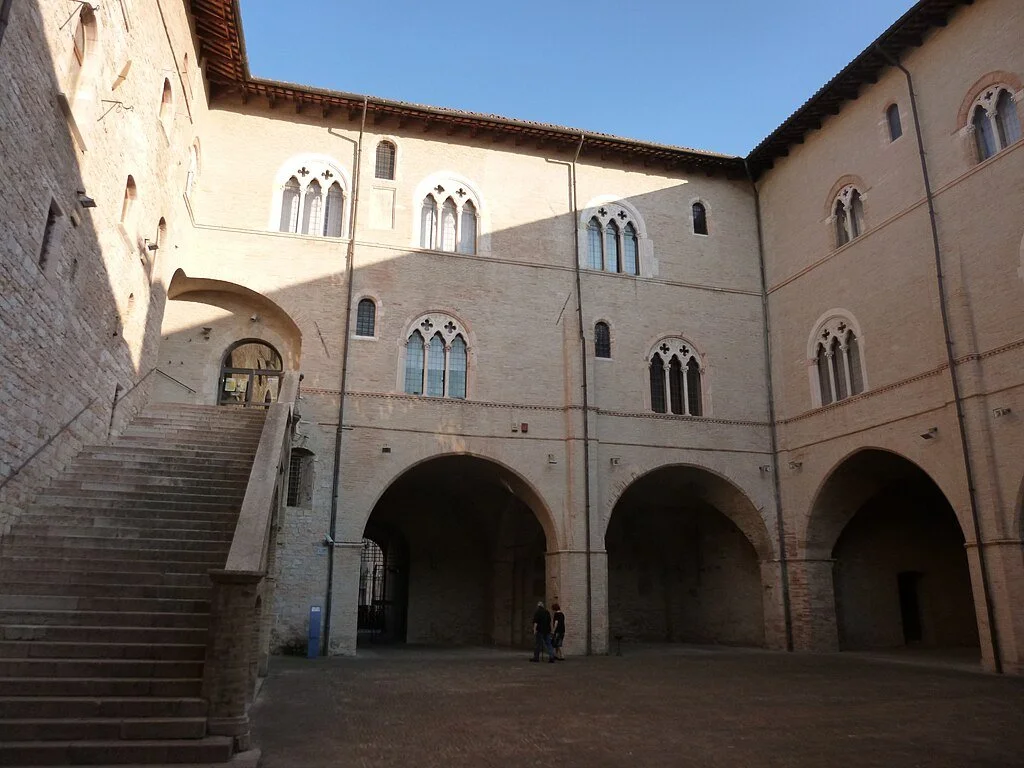
Trinci Palace
The Trinci, lords of Foligno from 1305 to 1439, transformed the palace into a symbol of their power. Commissioned by Ugolino Trinci, the building was built by renovating pre-existing medieval buildings and decorated with a splendor that still surprises today for its beauty. With the end of the Trinci dominion and the annexation of Foligno to the Papal States, the palace became the seat of the papal governors, maintaining this function until the Unification of Italy. The neoclassical façade we see today dates back to the nineteenth century, but the palace hides much older treasures.
-
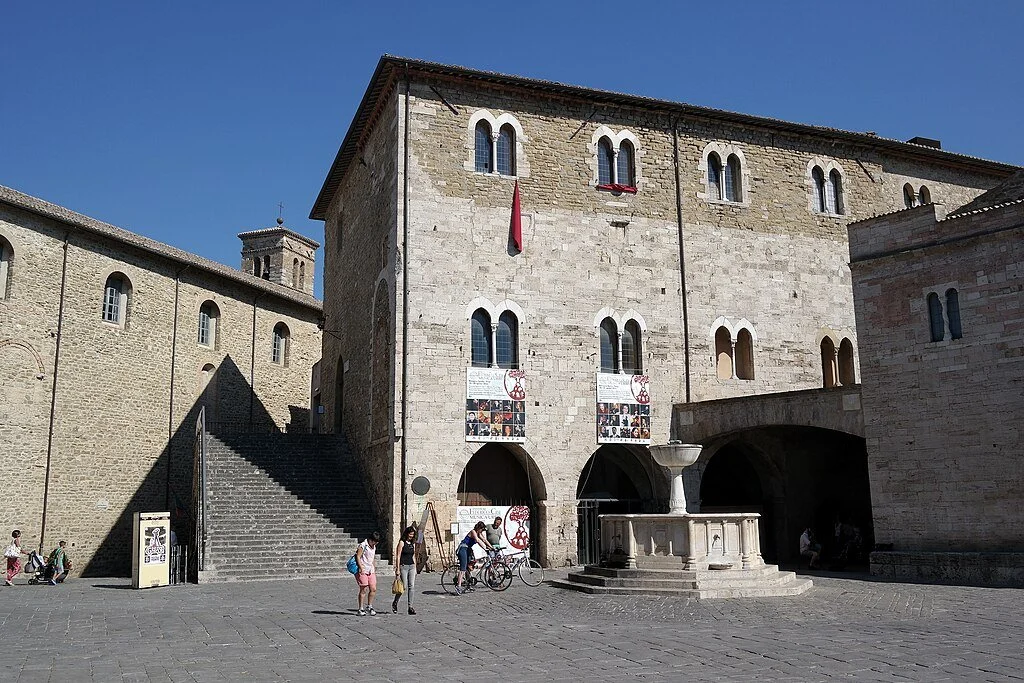
Palace of the Counsuls
The Palazzo dei Consoli dominates the west side of Bevagna’s main square, the medieval Piazza Silvestri. The palace, seat of the municipal government, was built in the second half of the thirteenth century. Over the centuries, the palace has undergone many interventions. Still, its original configuration has been preserved: the parallelepiped body on a rectangular plan has cross vaults on the ground floor and a loggia on two sides. In the Middle Ages, the portico housed workshops of artisans and merchants.
-
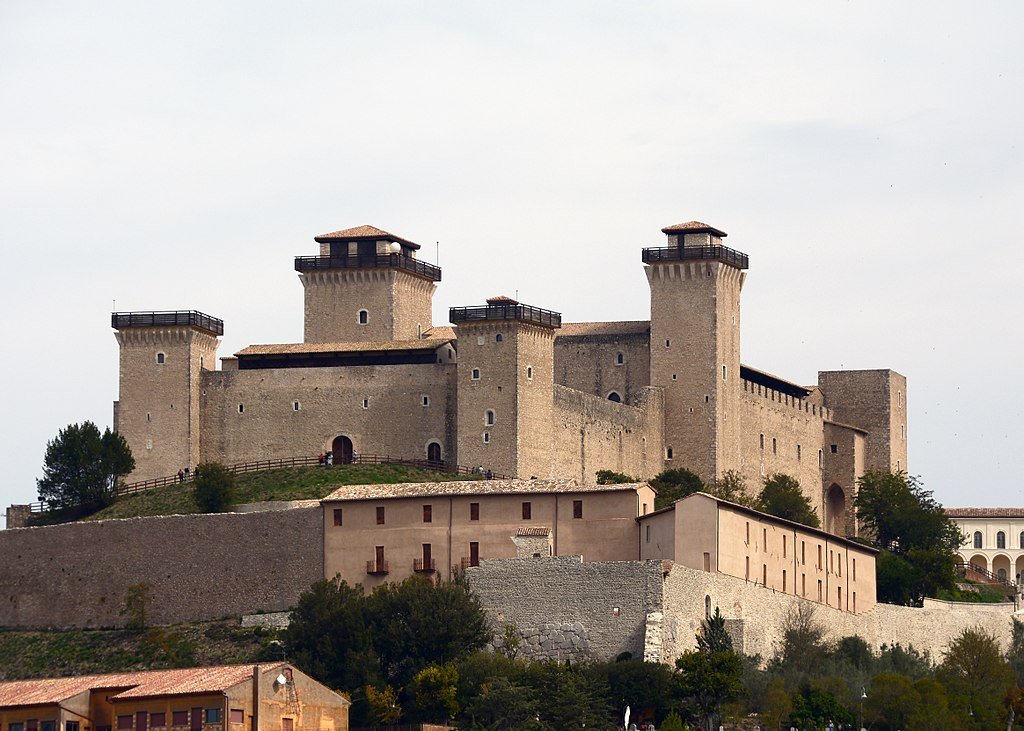
Albornoziana Fortress
Upon arriving in Spoleto is the Rocca Albornoziana, which from the hill of Sant'Elias towers over much of the Spoletana Valley. History has it that it was Pope Innocent VI who imposed its construction, to re-establish the authority of the Church. Since 1309, in fact, the Pope and the Curia had resided in Avignon, and in anticipation of a return to Rome, the Spanish Cardinal Egidio Albornoz was entrusted with the complex task of restoring order to the territories.
-

Convent of San Domenico
The Gothic Church of San Domenico was built in two phases, from 1300 to 1458, on the pre-existing 5th-century Pieve di Santo Stefano del Castellare by Dominican friars who had settled in Perugia since 1230. In time, the Order assumed an important role in both religious and political life, so that a grand new Basilica was begun from designs by Giovanni Pisano. In the early 1600s. Of the original Gothic complex of the church, today, all that is left is the cloister (1455-1579), the presbytery, the chapel of St. Catherine with 14th- and 15th-century frescoes, a large rose window, and the bell tower.
-

Basilica of Santa Maria degli Angeli
The Basilica of Santa Maria degli Angeli, an example of Renaissance elegance, stands majestically in the Umbrian plain, guardian of one of the holiest places of Franciscanism. Built between 1569 and 1679 to protect the Porziuncola, the small church where St. Francis found refuge and founded his order, this basilica is a triumph of Renaissance and Baroque architecture, enriched by centuries of history and devotion. Here, in 1208, the saint found his spiritual refuge, restoring its humble stone walls and giving life to the Franciscan Order. This place became the center of his mission, where he and his followers led a life of poverty and prayer.
-
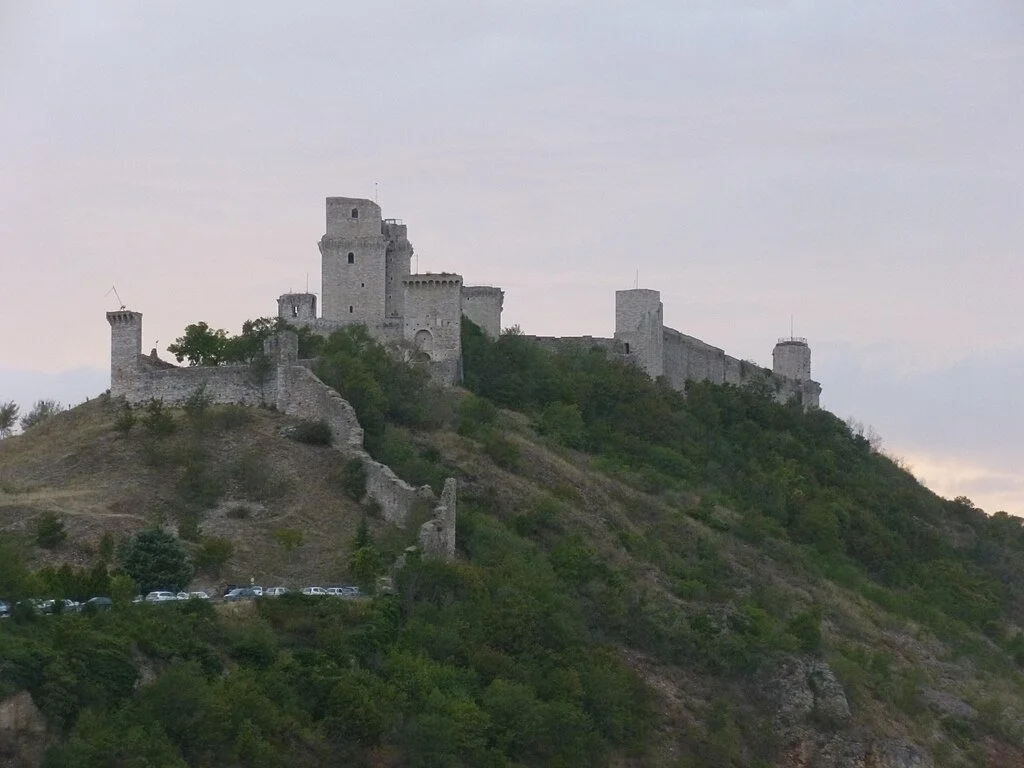
The Rocca Maggiore
The imposing and austere Rocca Maggiore fortress overlooks the historical city center of Assisi, the Tescio River's narrow ravine below, and a large part of the Umbrian Valley, which extends from Perugia to Spoleto. Visiting its structure provides the opportunity to observe a significant example of well preserved 14th century military architecture, while enjoying one of the most evocative panoramas of Umbria. The first historical mention of this fortified structure dates back to 1173-1174, when Christian, the Archbishop of Mainz, sacked Assisi on behalf of Emperor Frederick Barbarossa.