
CASTLE SITES
Umbria offers numerous castles, fortresses, and medieval fortresses that can be visited, often perched on the hills.
-
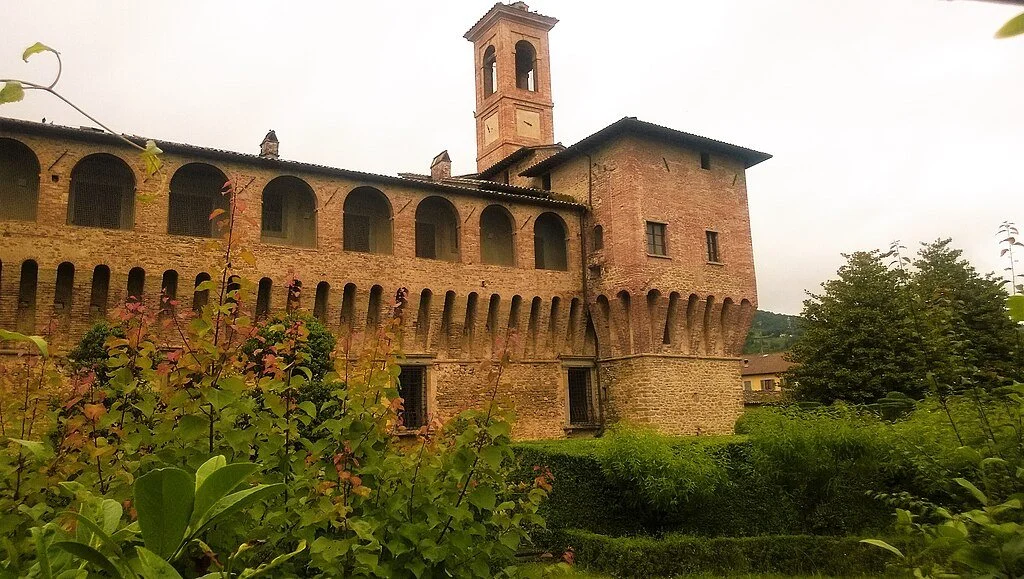
Bufalini Castle
It is an admirable example of a stately historic home. Used as a museum after its acquisition by the state in 1988, it is surrounded by an elegant Italian garden with rare rose specimens. The structure began as a private fortress of a Ghibelline family of San Sepolcro and, after the Battle of Anghiari (1440), became a military outpost of Città di Castello, soon destroyed by order of the Florentine Republic. The Italian Garden today presents itself in the form desired in the 18th century: the rose garden, and the labyrinth stand out for particular beauty.
-
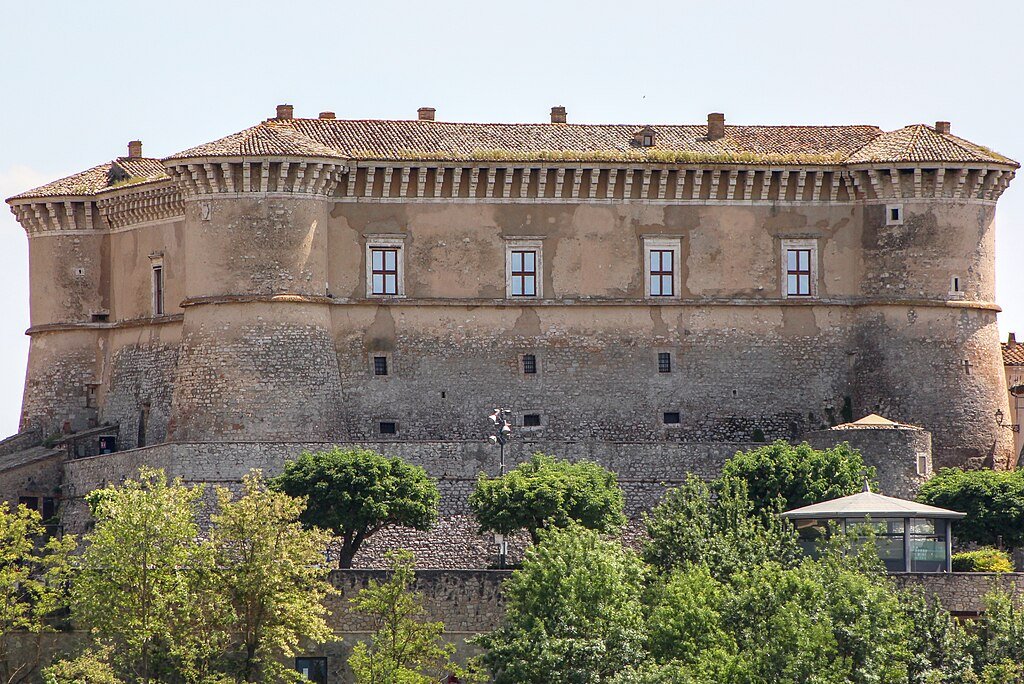
Alviano Castle
A castle in the middle of the fields of the Serio Park, in the Bergamo area, built in the mid-1300s. It was commissioned as a private residence in 1456 by the leader Bartolomeo Colleoni, captain general of the Republic of Venice. The Castle became his home, is still considered one of the most exclusive buildings in Lombardy, thanks to its rooms frescoed by local and French masters, shady loggias, its ornate coffered ceilings, and fireplaces that are still working.
-
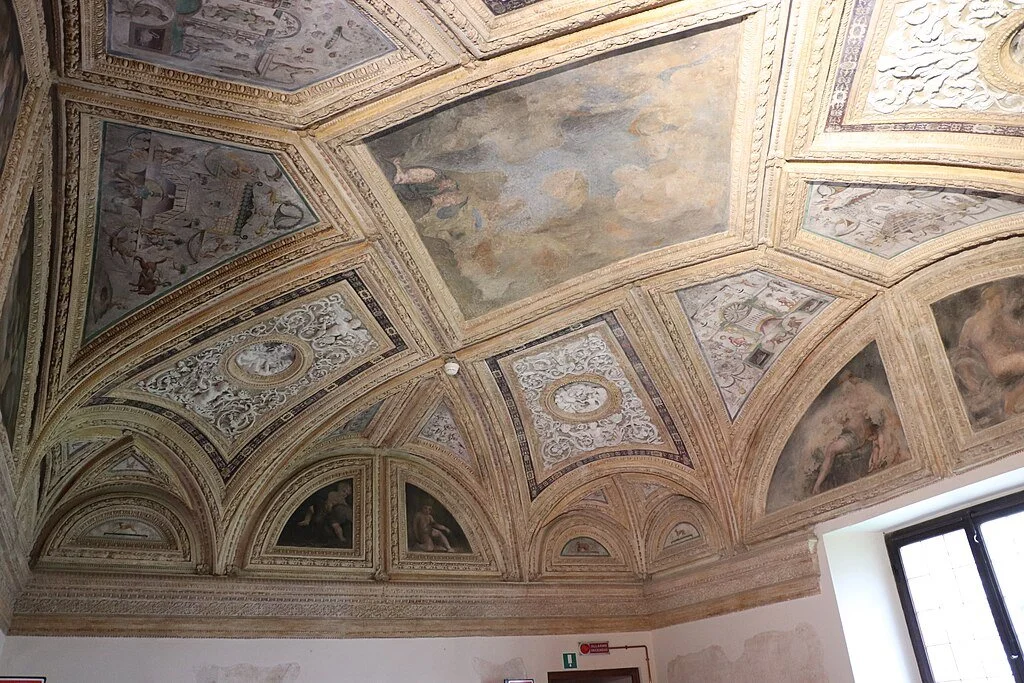
Giove Ducal Palace
The Castle of Giove, as currently known, is the result of restoration work begun by the Farnese family in the 16th century and continued by the dukes Ciriaco and Asdrubale Mattei, on the basis of the previous medieval fortress for defensive purposes. The transformation from fortress to the Palazzo Ducale was executed following the indications of Ippolito Scalza, architect of Orvieto. The building consists of two parts: one to the north, which is spread over six floors high and in which is the main entrance, and the other one, to the south, older.
-
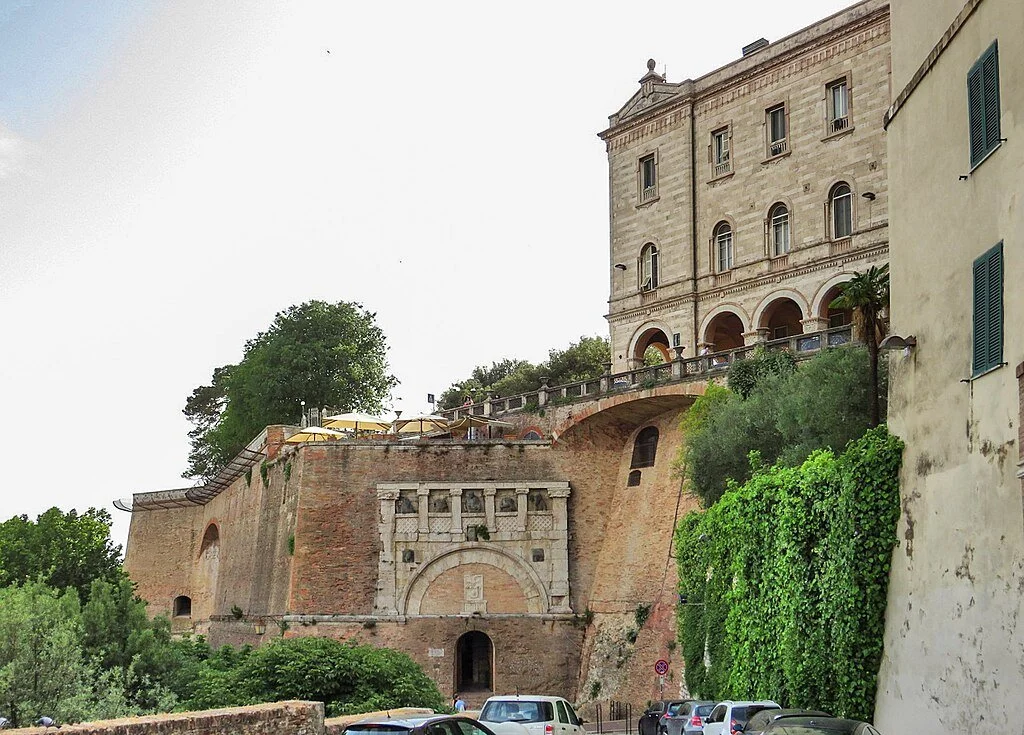
Paolina Fortress
It’s right in the historical centre of Perugia, and one can enter via a door at Porta Marzia or the escalator system that connects Piazza Italia with Piazza Partigiani. A symbol of Papal power, it was built at the behest of Pope Paul III Farnese (1540 -1543). The fortresses were composed of two separate forts: an upper one on Landone hill, and a lower one on the plains known as Tenaglia, connected to the former via three fortified footpaths.
-
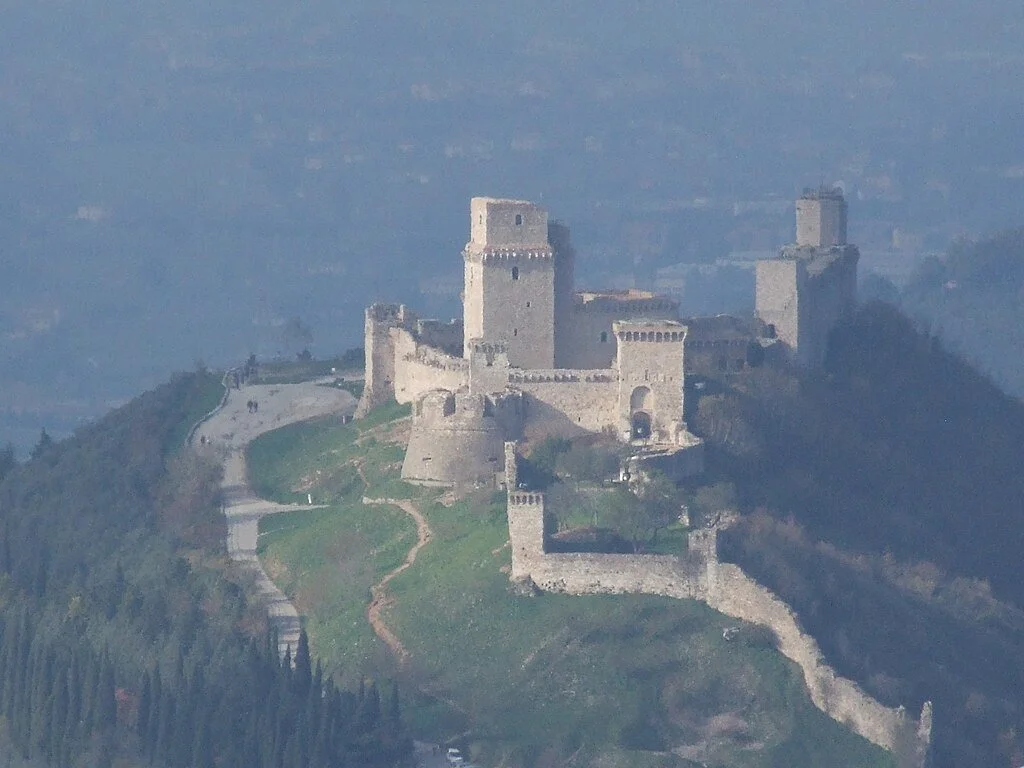
Maggiore Fortress
The first historical mention of this fortified structure dates back to 1173-1174, when Christian, the Archbishop of Mainz, sacked Assisi on behalf of Emperor Frederick Barbarossa. In 1198, a popular uprising tore down the Fortress. The imposing and austere Rocca Maggiore fortress overlooks the historical city center of Assisi, the Tescio River's narrow ravine below, and a large part of the Umbrian Valley, which extends from Perugia to Spoleto.
-
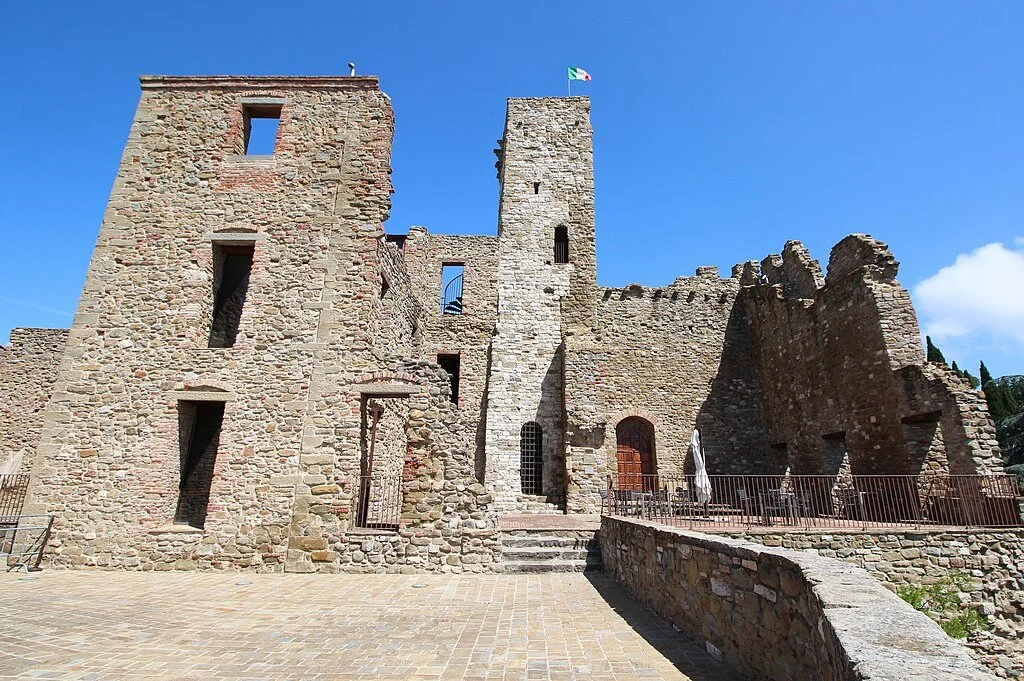
Passignano Fortress
It stands within the town, in an elevated position above the settlement, which only later expanded to reach the lake's shore. According to some sources, Passignano may mean “place of the pass”, referring to the existence of a Roman military structure set up to control a “pass” connecting the territories of present-day Umbria and Tuscany.