
MUSEUM SITES
Museums in Umbria offer a rich artistic and historical heritage, with gems such as the National Gallery of Umbria in Perugia, Renaissance art, and the Museum of San Francesco in Assisi.
-
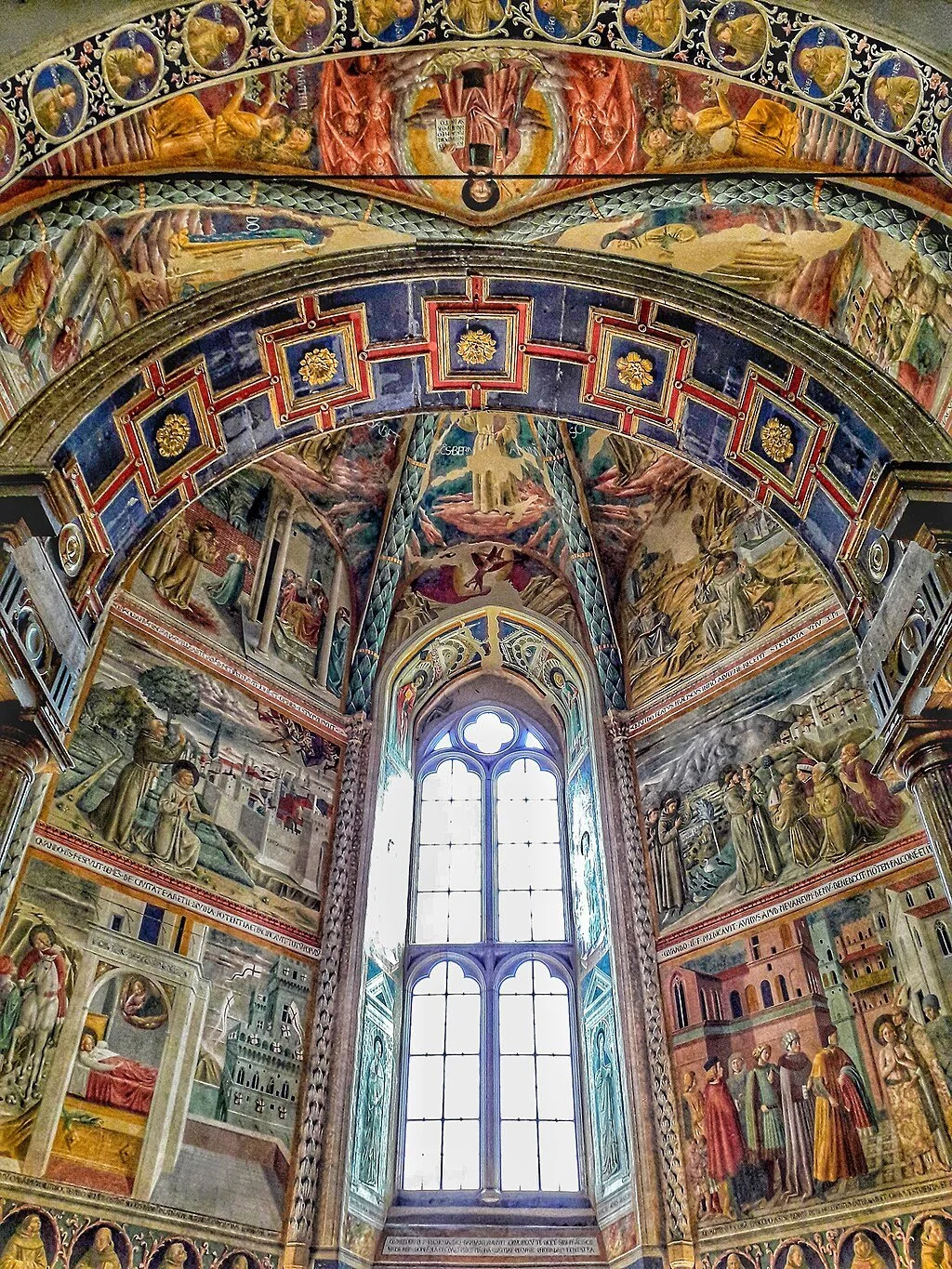
Museum of the Treasure of the Basilica of San Francesco
The Treasure Museum, the most important collection of medieval art in the region, is housed inside the Papal Palace built by Gregory IX, which can be reached by passing through the apse of the lower Basilica of San Francesco. The church of San Francesco was built between 1335 and 1338 by the Friars Minor and was transformed into a museum in 1990, along with the rooms of the adjoining convent. The cycle of frescoes in the apse of the church shines with its own light, which, in 1452, the master Benozzo Gozzoli, author of the frescoes in the chapel of San Girolamo, dedicated to the life of St. Francis with twenty poignant episodes, commissioned by the culturedpatron Fra Jacopo, da Montefalco, and masterfully restored in the year 2000. Its decorations are among the most important Renaissance cycles preserved.
-
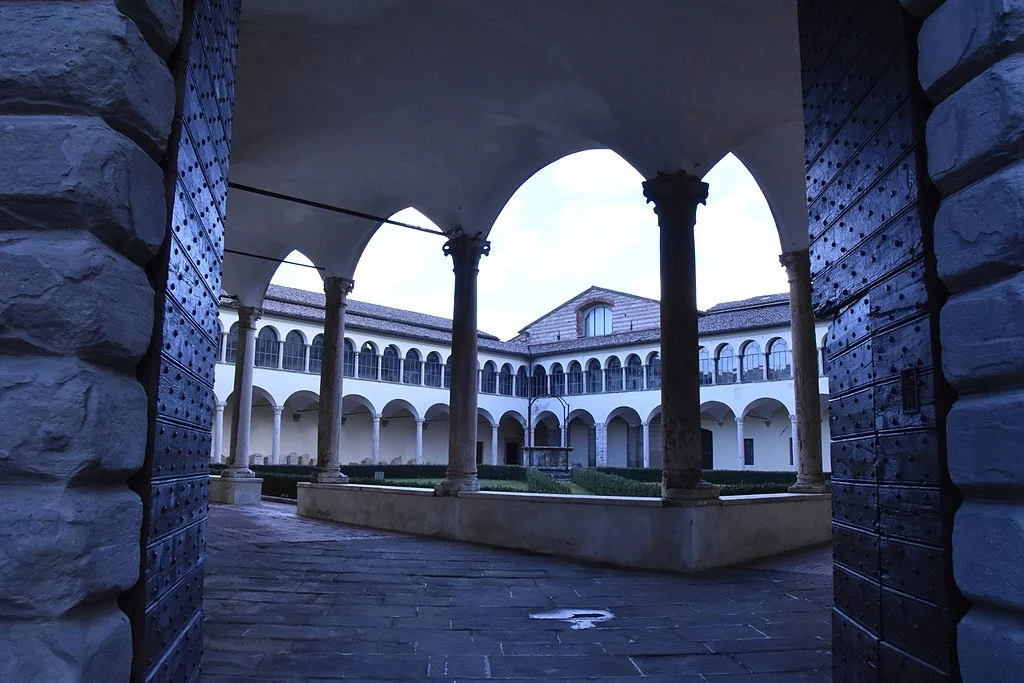
National Museum MANU
It is located in the large spaces of the ancient Convent of San Domenico, founded in 1233.
It offers a prehistoric section, containing finds from settlements and caves in central Italy from the Paleolithic to the Bronze Age, as well as an important exhibition of materials from the ancient Umbrian and Etruscan centers and from Roman sites in the current Umbria. Among the most valuable finds are, among other things, the Perugian Memorial Stone, one of the most important inscriptions in the Etruscan language, and the bronze equipment of the princely tomb of San Mariano, in the Perugia area, with an incredible complex of embossed decorated sheets and remains of parade floats. -
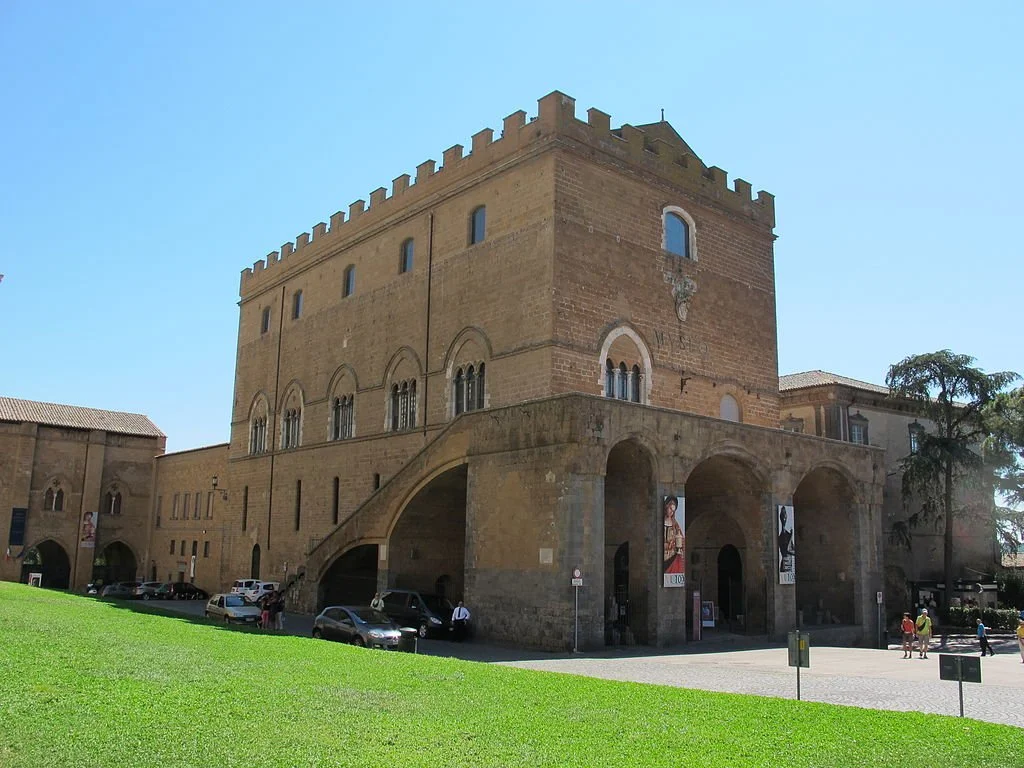
Opera del Duomo Museum
It has as its fulcrum one of the most precious assets of the artistic heritage of humanity: the Cathedral of Santa Maria Assunta, which preserves the Cappella Nova or San Brizio, a pictorial masterpiece by Luca Signorelli. From the heart of the Cathedral, the visit through the MODO offices winds its way through the common thread of the history of the city and its Cathedral, retraced through the precious artistic collections that the Fabbriceria has preserved for more than eight centuries.
-
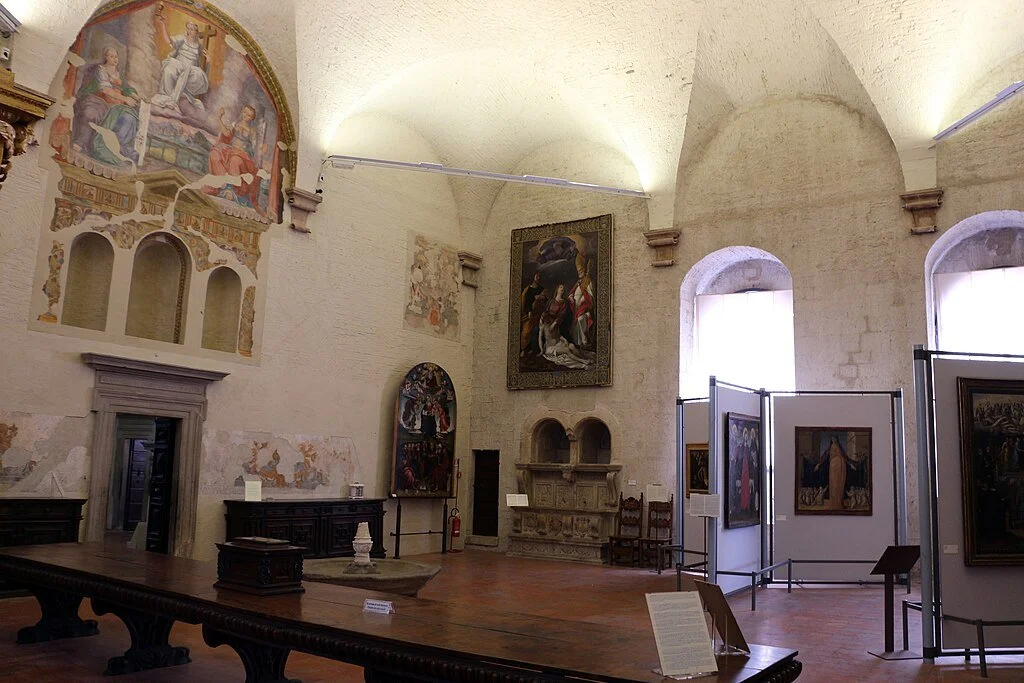
Civic Museum of Palazzo dei Consoli
The Palazzo dei Consoli, as well as the unfinished Palazzo Pretorio, was built during the first half of the fourteenth century at a time of strong expansion of the city. It is located in the historic center of Gubbio. It overlooks the Piazza Grande, the political hub of the fourteenth-century city.
The Palazzo dei Consoli is certainly worth a visit, not only for the evocative scenery in which it is inserted, but also for the art collections it preserves inside.