
NATURAL SITES
The Marche is where cultural and naturalistic heritage intertwine and merge to give a unique travel experience.
-
![Photo by [Angelo Casto] — [• Unsplash]](https://images.squarespace-cdn.com/content/v1/6249e81f18357d21cff3ee57/1773772639199-A5DCMU8YJKFW4HTHU3F0/unsplash-image-X2Yyw39ESRE.jpg)
Monti Sibillini National Park
It is a real treasure of biodiversity for the alternation of wetlands, downstream, and wooded areas of great density, up to the wonderful plateaus such as that of Castelluccio di Norcia, famous for the flowering of lentils. There are numerous villages set in a unique landscape scenario, but changing according to the seasons, based on different altitudes. Particularly interesting are some themed trails, such as that of Saffron, so called because it retraces the ancient road between the places of collection, processing, and trade of the ancient spice.
-
![Photo by [Matteo Bellia] — [• Unsplash]](https://images.squarespace-cdn.com/content/v1/6249e81f18357d21cff3ee57/1773774866527-DVNCOJS40JUDMCS265HT/unsplash-image-vTfkZ3OXHAU.jpg)
Gran Sasso National Park
Extended over an area that includes three regions, Abruzzo, Lazio and Marche, the Park is a very complex reality, divided into two distinct biogeographical regions: the "Euro-Siberian" and the "Mediterranean". The morphological diversity of the mountains and the high altitudes they reach make this protected area a treasure of high biological richness. From the glacial wrecks of the high altitudes to the vastness of the Campo Imperatore plains located at the foot of the Corno Grande, up to the almond groves, vineyards, and olive groves further downstream, the scenarios offered by the Park are truly endless. Moving through a living, pulsating nature, on the trail of ancient villages, archaeological sites, castles and abbeys, along prairies, plateaus, vertiginous ridges, and impressive rocky walls.
-
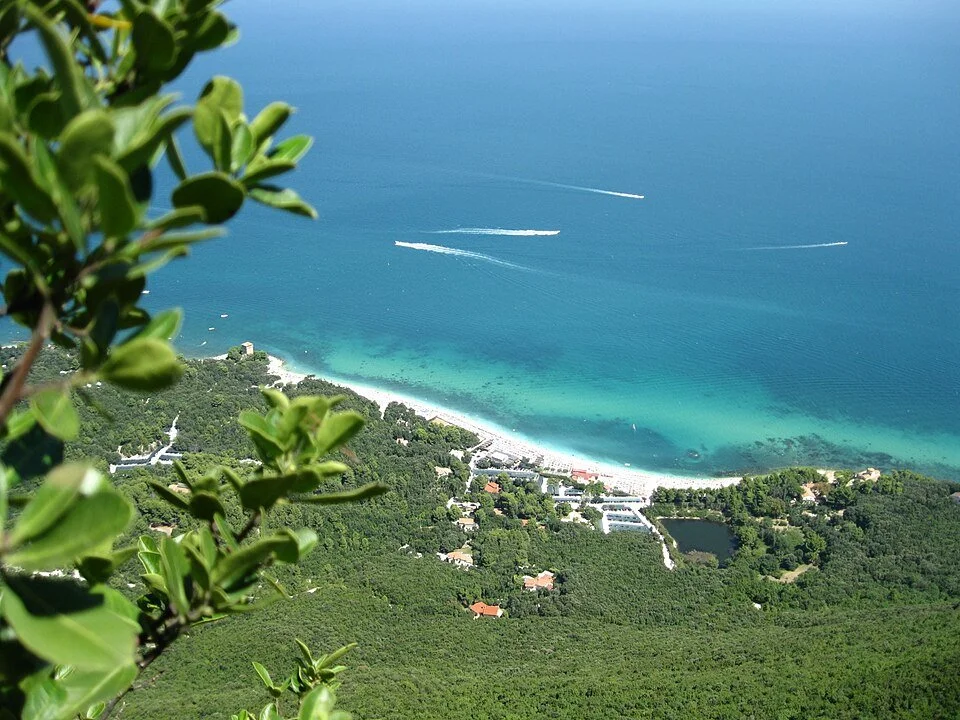
Conero Regional Natural Park
A mountain overlooking the sea that originated as a result of a slow action of marine sedimentation that began in the Jurassic, then emerged from the waters in the Pliocene, over five million years ago. A park of 6,011 hectares that includes a stretch of high coast and a wide inland hilly strip, affecting the territories of the municipalities of Ancona, Camerano, Numana and Sirolo.protected by the European Union for the presence of rare habitats, as well as a seat recognized by the international scientific community for the presence of emergencies of considerable geological interest as well as ancient testimonies of significant archaeological and historical-cultural value.
-
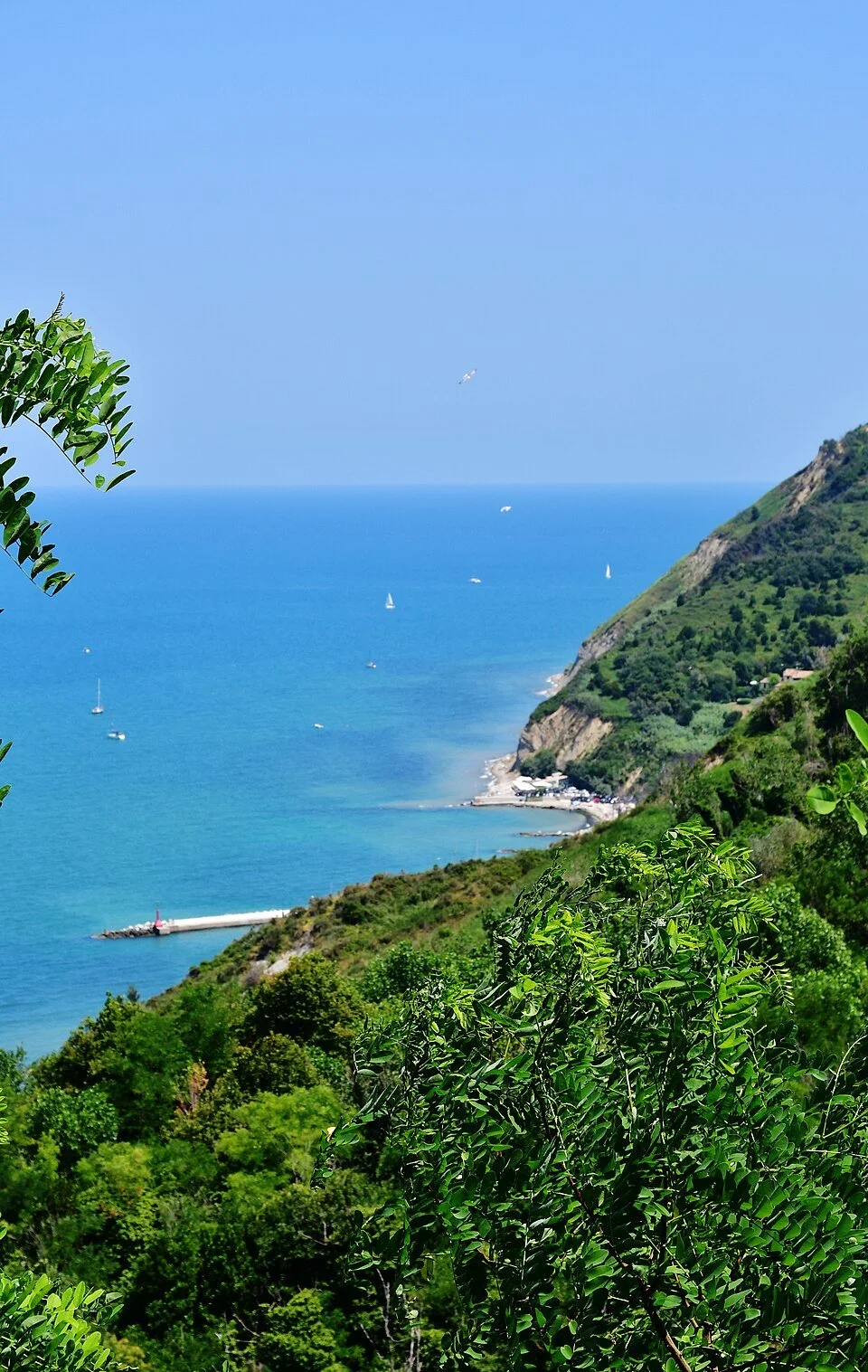
San Bartolo Regional Natural Park
The overhanging cliffs constitute a particular seascape with the presence of fossil fish and rare gypsum crystals. At the foot of the cliffs runs a thin beach of gravel and pebbles, formed by the collapse of the walls above and rich in fossils, once used for the paving of the streets of Pesaro. A panoramic road leads to the ancient villages of Gabicce Monte, Casteldimezzo, Fiorenzuola di Focara, Santa Marina Alta, and the small port of Baia Vallugola. The vegetation of Monte San Bartolo is characterized by woods mixed with oak and hornbeam, and rare species such as maritime flax, rush, carrot from the cliffs, and the shining fragrant broom. Famous for the presence and migration of numerous species of birds, including the peregrine falcon, migratory birds of prey, such as honey buzzards and marsh falcons.
-
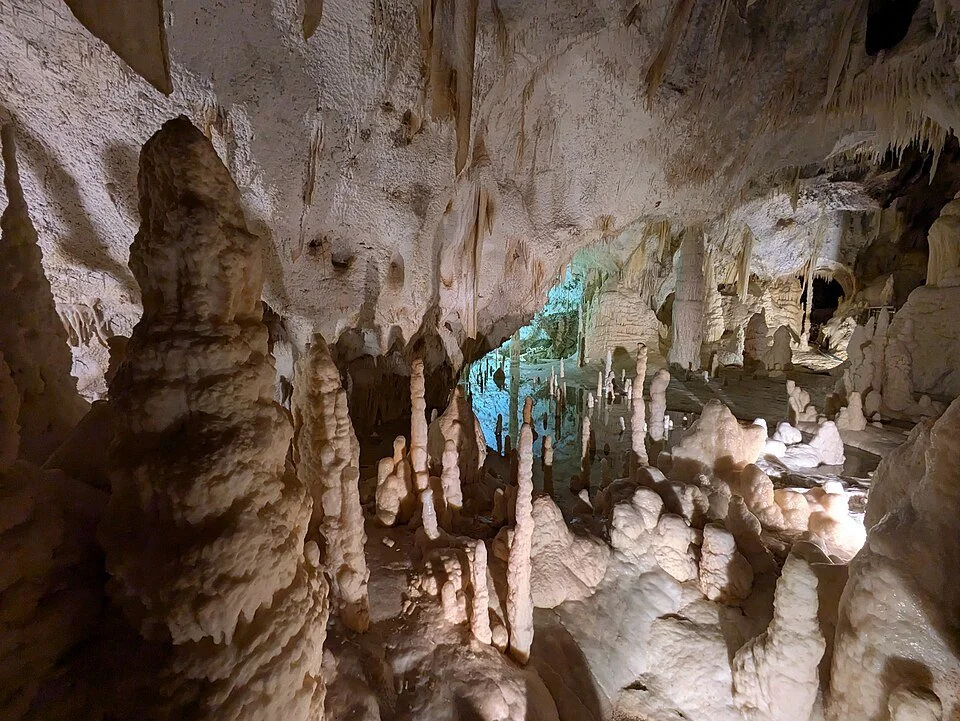
Gola della Rossa and Frasassi Regional Park
The Gola della Rossa and Frasassi Regional Park is a wooded protected area of great value, which contains historical and artistic beauties and spectacular nature that extends for over 10,000 hectares. It is based in Serra San Quirico but also has other "houses" in Arcevia and Castelletta di Fabriano, and at the former Mill of San Vittore di Genga, and there are numerous paths, more or less simple, that can be followed, which allow you to experience the all park. The caves of Frasassi, probably the most exciting experience of all, are a unique and enchanted place, made up of communicating tunnels, small caves that alternate with gigantic caves, small lakes dominated by very high vaults, of majestic stalactites and white rock columns.
-
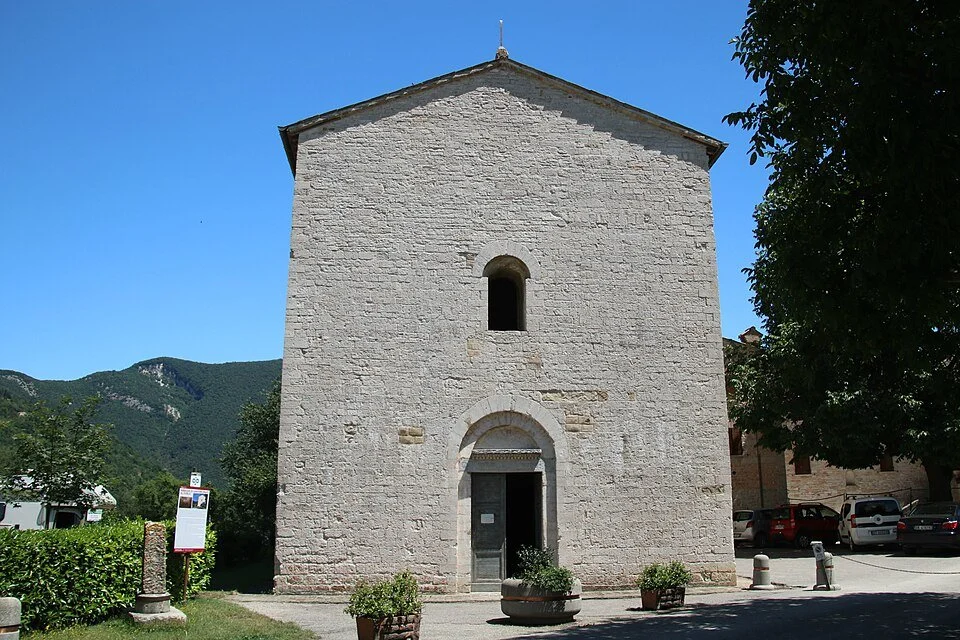
Acqualagna
Following the path of the Candigliano river, almost by magic, you find yourself inside a spectacular environmental site, which history and literature have crossed over the centuries, as evidenced by the Roman tunnel dug into the rock at the end of the 70s AD, the Furlo Gorge. Along the route of the Roman Via Flaminia, still dotted with evocative views, between imposing rocky walls carved by the river, following visible geological traces, you will find yourself in a real naturalistic treasure chest, today a State Nature Reserve, which contains a splendid floral-faunal heritage, celebrated by the flight of the eagles that nest here.