
PARK AND VILLAS
The most fascinating Parks, scenic attractions between the Roman countryside and historic villas and Castels on the Valleys .
-
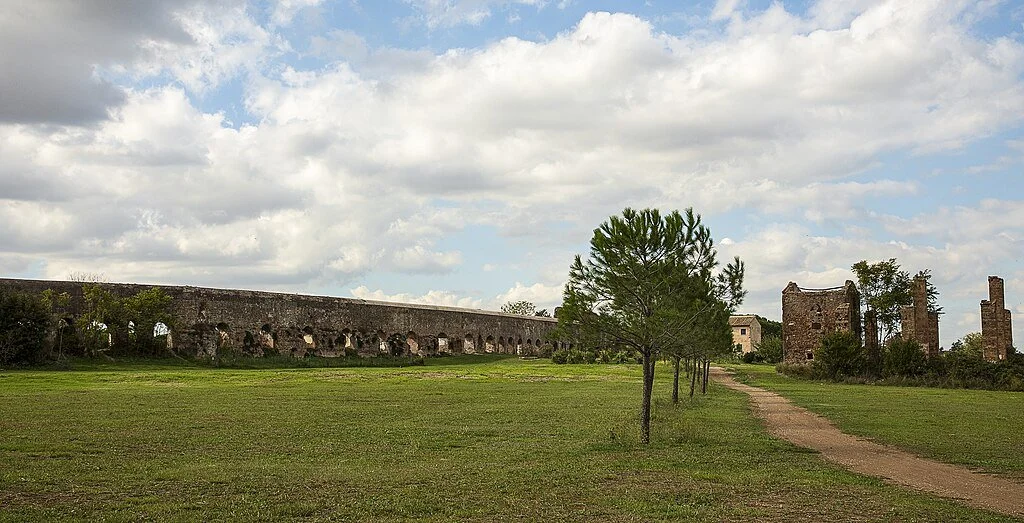
Parco degli Acquedotti
One of the most fascinating parks in Rome lies between Via Appia and Via Tuscolana and extends for about 240 hectares, between the scenic attractions of the Roman countryside up to the Castles. They are immersed in an atmosphere suspended in time, especially enjoyable in the pink light of sunset, up the imposing arches of the Claudius aqueduct and the Felice aqueduct, framed by pine trees. Rich in history, the Park of the Aqueducts is one of the green lungs of the city. It is part of the Appia Antica Suburban Regional Park. Its name comes from the junction point of the water network of ancient Rome, which is located in the area. It was the place where the aqueducts that supplied water to the city, the patrician villas, the baths, and the fountains intersected and overlapped.
Photo: Maurizio Moro5153, CC BY-SA 4.0
-
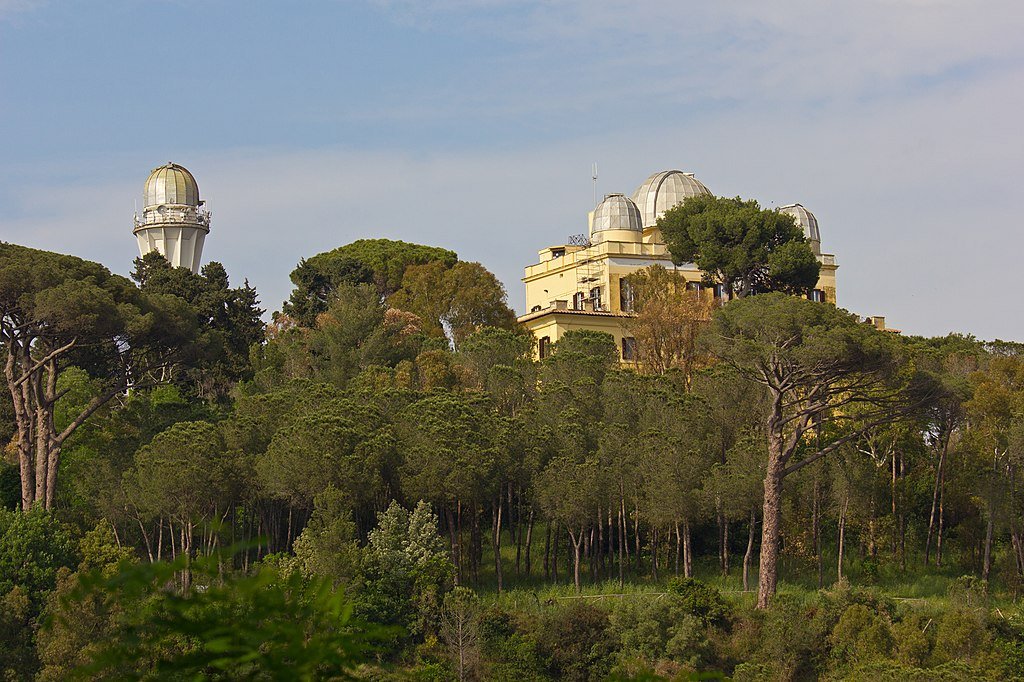
Monte Mario parco Mellini
Mellini Park is a natural reserve on Monte Mario overlooking the Tiber Valley, an area inhabited since prehistoric times and favored for villas in Roman and Renaissance periods. The park contains notable historic residences such as Villa Madama, Villa Mazzanti, and Villa Mellini, reflecting its long-standing prestige. Villa Mellini later hosted the Monte Mario Astronomical Observatory and today serves as the headquarters of the National Institute of Astrophysics.
Photo: H.Raab (User: Vesta), CC BY-SA 4.0
-
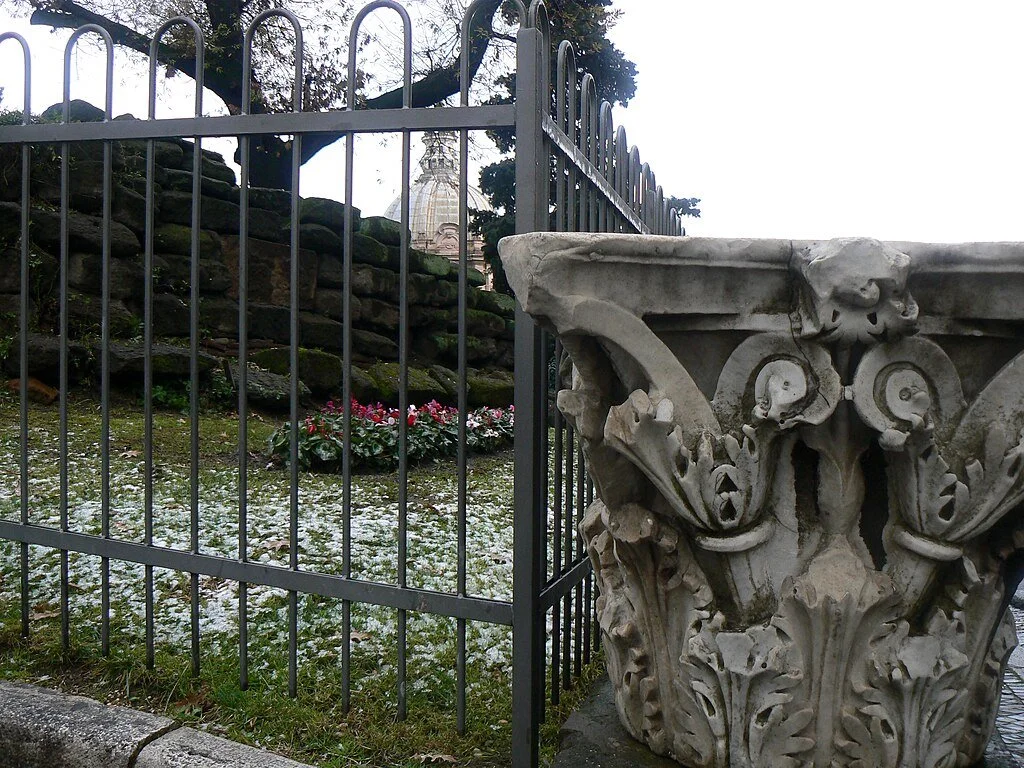
Giardini del Campidoglio
The gardens of the Capitol climb the slopes of the hill of the same name, in the center of Rome. Large caves dug into the rock of the Capitoline Cliff are characterized by parts of stone walls, belonging to this building demolished in the thirties of the twentieth century. The first interventions that started the transformation of the area into a garden were carried out in the nineteenth century, under the pontificate of Pius IX. Walking along the staircase that leads to the Capitoline Museums, on the left, you can see the bronze statue of Cola di Rienzo, made by the sculptor Gaetano Masini at the end of the nineteenth century.
Photo: giorgio minga, CC BY 3.0
-
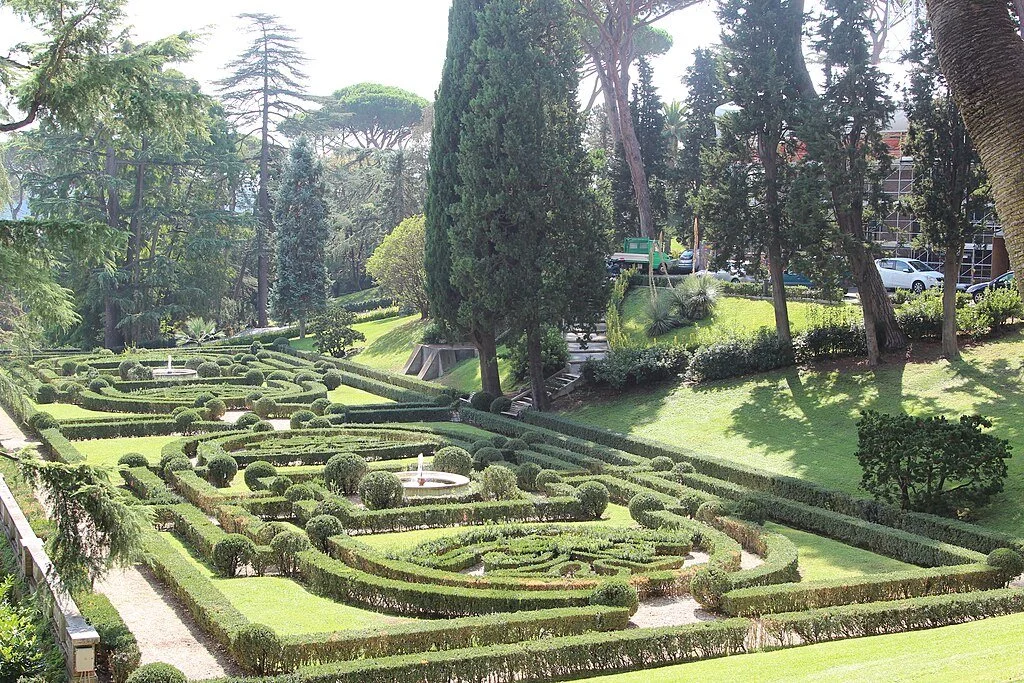
Giardini Vaticani
The Vatican Gardens cover about two-thirds of Vatican City and have served as a place of rest and meditation for the Popes since the late 13th century. Developed especially during the 16th and 17th centuries by artists such as Bramante and Pirro Ligorio, the gardens feature fountains, statues, and small temples set within lush landscapes from around the world. Divided into Italian, English, and papal gardens, the area also houses important Vatican buildings, blending nature, history, and faith.
Photo: Fallaner, CC BY-SA 4.0
-
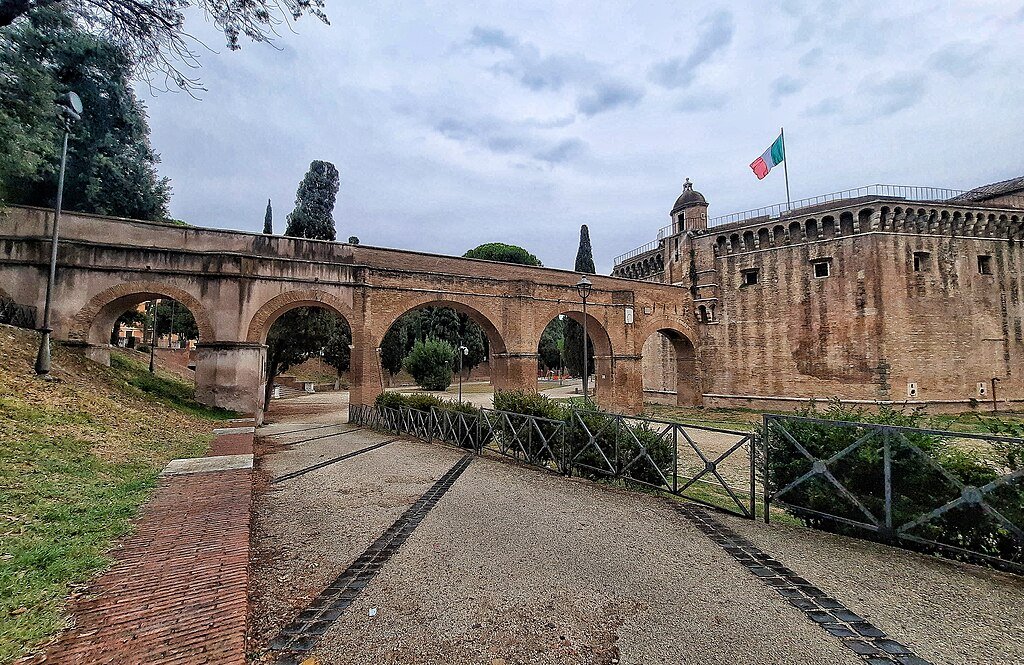
Giardino Castel Sant'Angelo
The gardens are located around Castel Sant'Angelo and were created in the 1930s by Attilio Spaccarelli. The area was transformed into a park in 1911, the year of the Universal Exhibition in Rome. On the occasion of the Jubilee of the Year 2000, a classic Italian garden was created next to Castel Sant'Angelo, on the Tiber riverfront: a green area divided into eight flowerbeds with a fountain of the '600 in the center surrounded by hedges, for a pleasant walk overlooking the river.
Photo: Stella aboaf, CC BY-SA 4.0
-
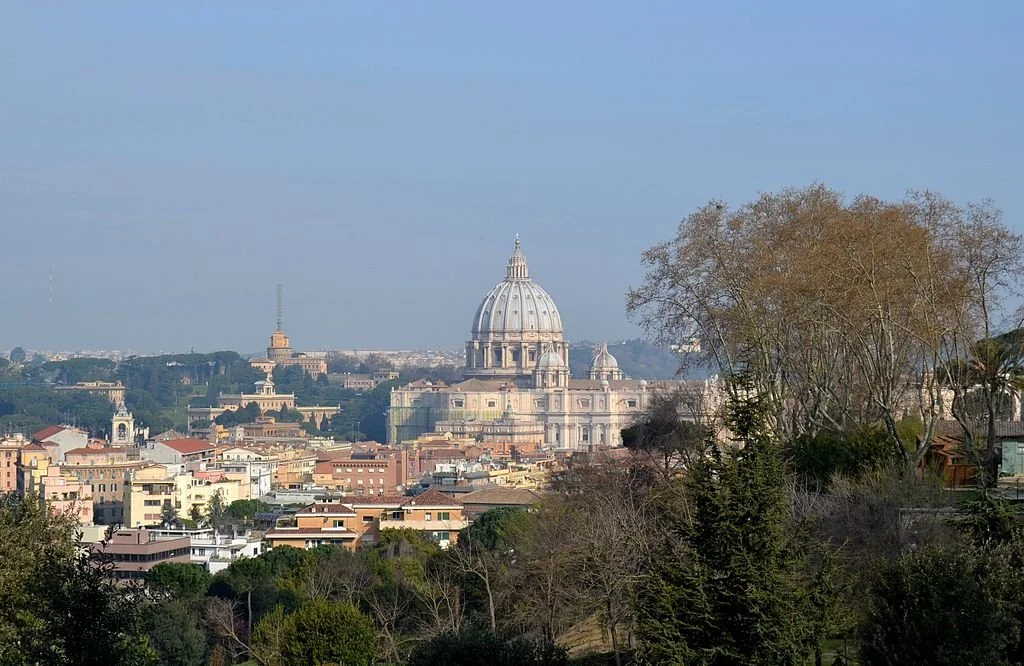
Colle del Gianicolo
The Janiculum Walk is a tree-lined promenade on the Janiculum Hill offering some of the most scenic views of Rome’s historic center. Once the site of key events during the Roman Republic in 1849, it became a public walkway in 1883 dedicated to the defense of Rome. The hill features monuments to Giuseppe and Anita Garibaldi, a lighthouse donated by Italians in Argentina, and is known for its daily noon cannon shot, a tradition dating back to the 19th century.
Photo: Amaunet, CC BY-SA 3.0