
UNESCO SITES
The UNESCO sites located in Umbria are divided into two groups: Assisi, the Basilica of San Francesco, and the other Franciscan sites; and Places of Power associated with the Lombards in Italy (568–774 AD).
-
![Photo by Diane Picchittino — [• Unsplash]](https://images.squarespace-cdn.com/content/v1/6249e81f18357d21cff3ee57/1772478646329-5J29MG7GRY7VHH3RS6J1/unsplash-image-9O7_fcoZS5E.jpg)
Basilica of San Francesco di Assisi
The Basilica of San Francesco, with its cycle of frescoes on the life of the saint made by the hand of Giotto, has marked the art and spirituality of Italy and the world. Its construction began two years after the saint's death, and in just two years the Lower Basilica was completed, while the upper one was consecrated in 1253. The decorations are the result of the most illustrious painters between the thirteenth and fourteenth centuries such as the Master of St. Francis, Cimabue and Giotto, who created the "Stories of St. Francis" in the Lower Basilica of Santa Chiara, recognizable by its façade with bands of white and pink stone from Subasio.
-
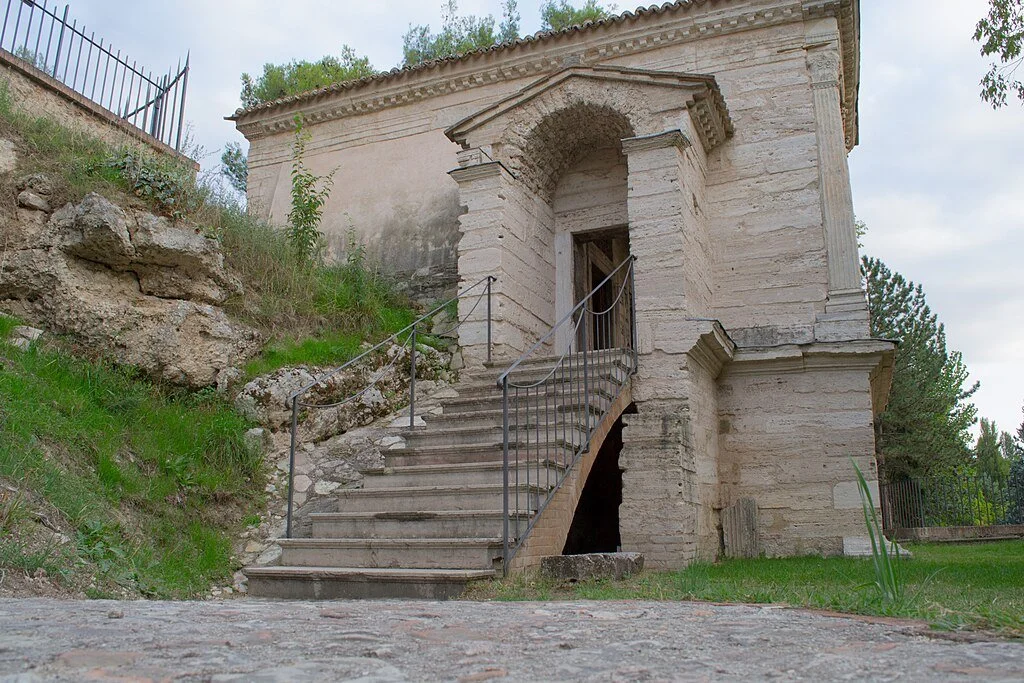
Places of Power of the Lombards in Italy
Umbria is included in this serial site, which includes archaeological and architectural sites related to the Lombard kingdom in Italy. The serial site “Lombards in Italy, Places of Power (568-774 A.D.)”, recognised as a UNESCO World Heritage Site in 2011, includes seven locations that bear witness to the cultural and artistic evolution of the Lombards. After arriving from Northern Europe after the fall of the Roman Empire, the Lombards ruled large territories of the peninsula between the 6th and 8th centuries, leaving a deep mark on Italian culture and spirituality.
-
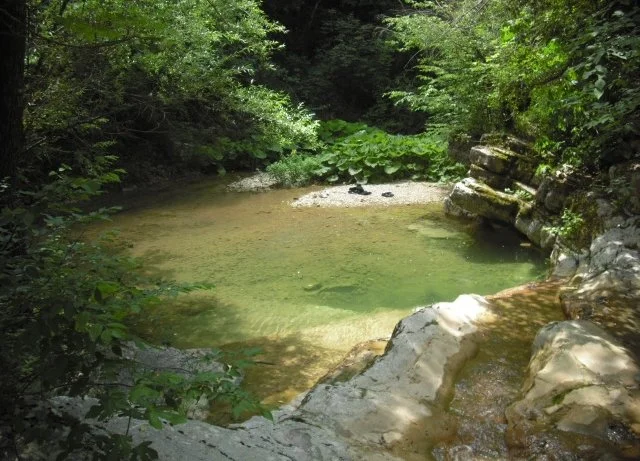
Monte Peglia Biosphere Reserve
The Natural Reserve of the Peglia Mount is located into the Terni zone, enclosed between the river basin of the Tiber river, which delimits it eastward, and of the Peglia river westward. The whole Reserve, incorporated into four Municipalities as San Venanzo, Orvieto, Parrano and Ficulle, has never had a strong population growth like other towns in the Region: these places and small villages of 40k hectares have never exploited the resources of their land, preserving its great variety of flora and fauna that are living into the woods of the area, for many centuries remained almost intact. Holm oak, turkey oak, oak trees and maple trees, with many diversity of fruit trees and shrubs, they constitute a small green lung in the Green Heart of Italy.
-
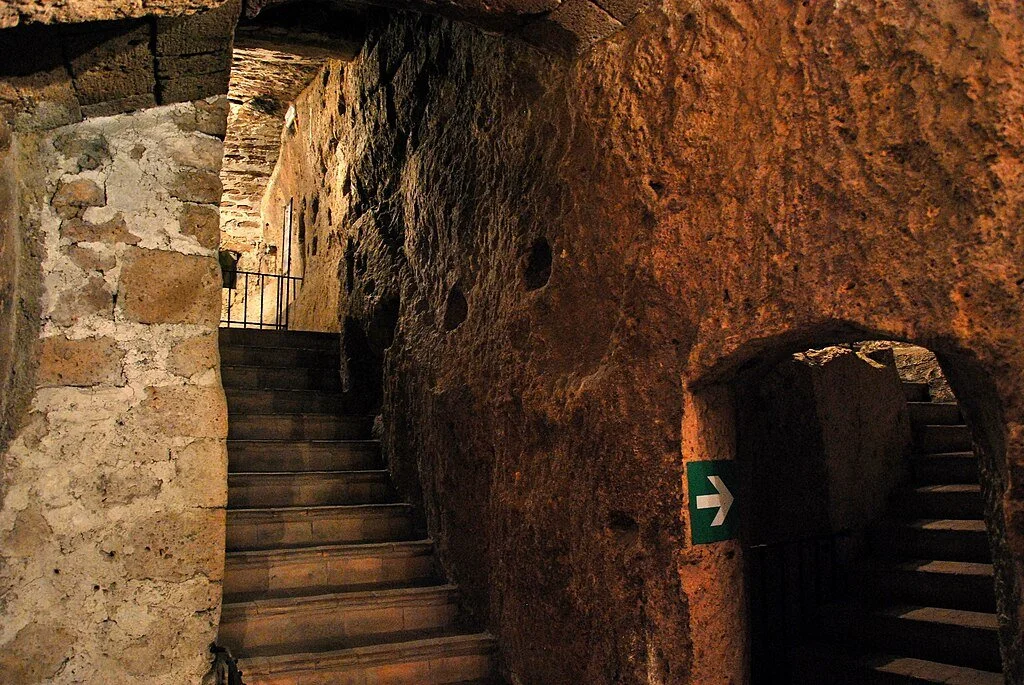
World Network of Water Museums: The Well of the Quarry of Orvieto
The Pozzo della Cava is an underground archaeological complex in the city of Orvieto featuring important finds dating from the Etruscan period to the Renaissance. Its name is linked to the presence of a quarry for building materials exploited in the eighteenth and nineteenth centuries, where it is still possible to admire the marks left by the extraction of blocks. The Pozzo della Cava is part of an underground complex consisting of nine communicating rooms, a path leading from the well to the heart of the ancient tuff quarry, the last and largest of the nine caves.