
PIEMONTE
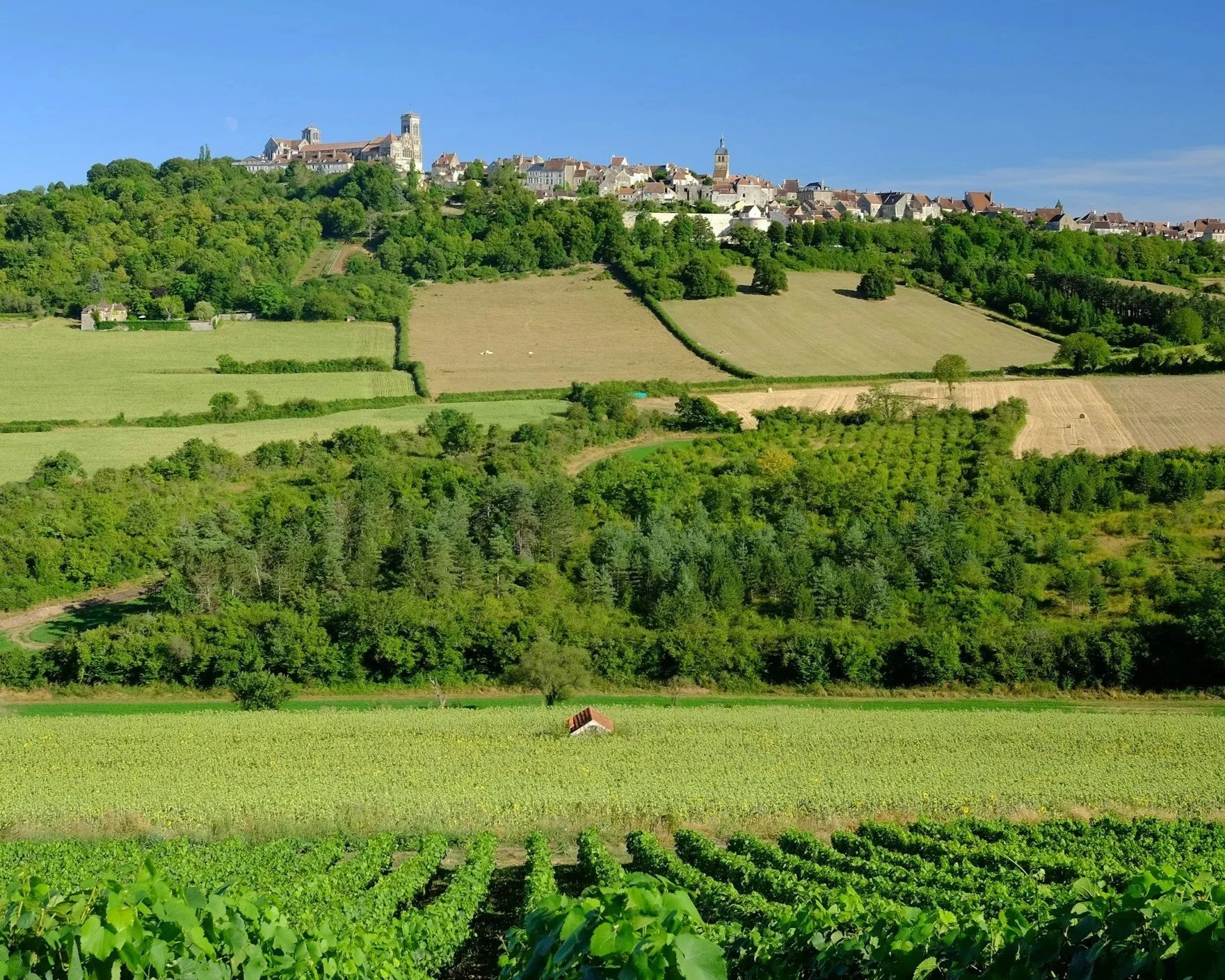
A region that surprises with the infinite wonder of its artistic, gastronomic, and natural heritage. A land for an itinerant holiday exploring its ancient villages, and cities of art. The imposing Savoy Residences, and World Heritage Sites, are not to be missed. You will discover the Reggia di Venaria, the Castle of Rivoli, Moncalieri, Racconigi, Stupinigi, and Aglié, passing through the Sacred Mounts, also a UNESCO Heritage site. In Torino, the Capital of Piemonte, you will find monumental churches, such as the Duomo where you can admire the Holy Shroud, squares with the largest arcades in Europe, and Baroque and Art Nouveau palaces. Its historic cafes are beautiful, and you can find yourself like the nobles in the 800s tasting the Royal Snacks, hot chocolates, and the goodness of the small Savoy pastries. Museums like the Egyptian Museum, and the Cinema Museum in the Mole Antonelliana. Autumn is the season of wine and truffles. You can enjoy step by step the journey between Aqui Terme, renowned in Roman times for the quality of its waters, to the vineyards and landscapes recognized as a World Heritage Site between the Langhe, Roero, and Monferrato, famous for their red wines like Barolo and Barbaresco. A place of its own are the romantic itineraries to the lakes and the Borromean Islands, on Lake Maggiore, which explode with new blooms in spring.
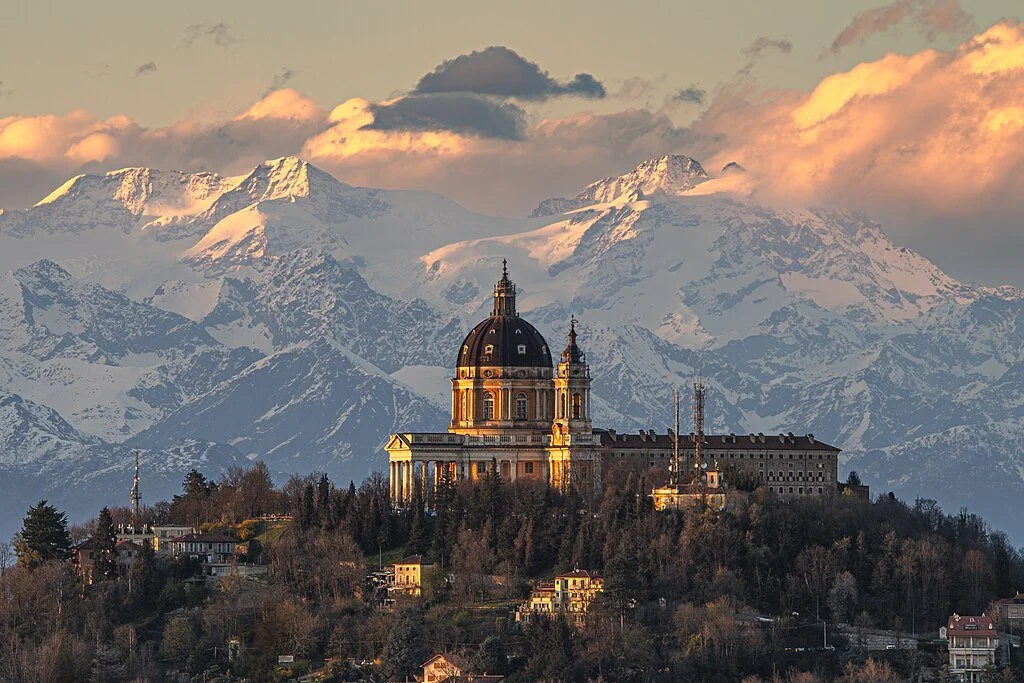
Photo: Domeian, CC BY-SA 4.0
About Piemonte.
Piemonte is a land rich in history and culture, as evidenced by its thousands of monuments, cities of rare elegance and extraordinary scenic and naturalistic beauty. Mountains that lend themselves to splendid skiing or walking, fascinating villages, hills that are among the best known in the world for their extraordinary wine production.The Savoy family had the Royal Residences built between the seventeenth and the eighteenth century. When visiting the noble residences you will be taken on a journey back in time and you will find yourself immersed in places rich in symbols of the hegemony of the noble dynasty, including castles that served as a base for hunting trips, holiday resorts, and the palaces of power that UNESCO has declared a World Heritage Site.
Things To Do
Some of the main Italian artistic movements were present in Piedmont in the 20th century, ranging from the exuberance of Futurism to the “Magic Realism” of Felice Casorati; from the Situationism to the Arte Povera of Michelangelo Pistoletto from Biella. For this reason, Turin is considered one of the capitals of contemporary art in the world. The Royal Palace of Turin, the most important Savoy residence; and the iconic Palazzo Madama are worth a visit. The latter is an important UNESCO World Heritage architectural site, the City Museum of Ancient Art.
One of the most popular museums in Turin is the Egyptian Museum. It is the oldest museum in the world entirely dedicated to the Egyptian civilization.
Alba known for its white truffles, attracts thousands of visitors every autumn thanks to its International White Truffle Fair.
One of the most enigmatic and fascinating places in Piedmont is the Sacra di San Michele, built between the end of the tenth and the beginning of the eleventh century on Mount Pirchiriano, in Val di Susa. The main attractions of the Sacra di San Michele are the Foresteria, the New Church, the Torre della Bell'Alda, and the New Monastery.
Langhe, Roero, and Monferrato are in the lower Piedmont area, between the Po River and the Ligurian Apennines, divided between Alessandria, Asti, and Cuneo. It’s a unique microcosm of wine-growing landscapes and environments in which man and nature have always coexisted to the best of their ability. Barolo, Barbaresco, Roero, Nebbiolo, Dolcetto, Barbera, Favorita, Arneis, and Moscato, are wines that have made the Langhe area international.
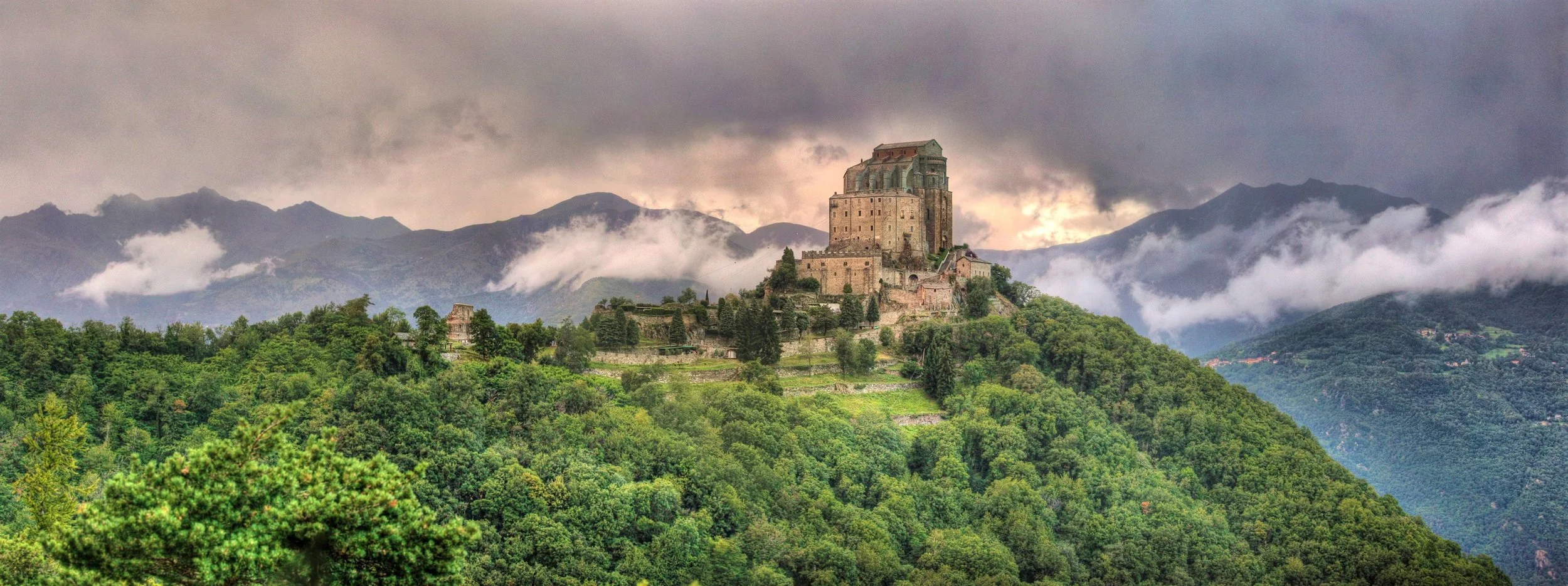
Photo: Franco Borrelli SAcra di SAn Michele Arcangelo
Cities To Visit
-
Alessandria was born as a military city and fortress against the advance of Frederick I, Holy Roman Emperor. This unique past has bequeathed the city great monuments, noble residences and a striking, sober structure.Worth to visit the Casale Monferrato Cathedral dedicated to Saint Evasius, one of the best-preserved Romanesque churches.
-
The city of Asti, along the ancient Via Francigena, has been nicknamed the city of a hundred towers since the Middle Ages. Many of them are still standing, including the 12th-century, Torre Troyana tower, a symbol of the city. Don’t miss the Collegiate Church of Saint Secundus, the largest Gothic-style church in Piedmont dedicated to St Mary of the Assumption and St Gotthard, Palazzo Alfieri, the birthplace of writer Vittorio Alfieri, and the baroque Palazzo Mazzetti, now a civic museum.
-
Thehistoric centre of Piazzo is located on a rocky ridge that looms over the rest of the town, which was later built and named Biella Piano. Don’t miss the Romanesque baptistery of St John the Baptist in Piazza Duomo, where you can also find St Stephen’s Cathedral. The most beautiful church, however, is the Renaissance Basilica of St. Sebastian. The cloister of the adjacent monastery houses the Museum of the Biella Territory.
-
The historic center winds around Piazza Galimberti, an elegant city living room surrounded by arcaded buildings. Via Roma, the main artery, is lined with buildings of architectural interest such as the Palazzo della Torre, surmounted by the Civic Tower of fourteenth-century foundation, Casa Basso with its ancient brick decorations and Casa Quaglia, whose façade is frescoed with heraldic motifs. A typical and less crowded corner is the ancient Jewish ghetto, the Contrada Mondovì, with several historic shops.
-
Turin is the capital of Piedmont and is a city rich in history and culture. Its monuments are numerous and important, among which it is necessary to remember the Cathedral, which houses the Holy Shroud, the Royal Church of San Lorenzo, the Sanctuary of the Consolata and the Mole Antonelliana. It has numerous series of museums to visit such as the Egyptian Museum, the GAM and the Palazzo Madama, to name just a few of the most important. The Civic Gallery of Modern and Contemporary Art, hosting permanent art collections from the nineteenth and twentieth centuries. One of the city's most beautiful open-air living rooms, is Piazza San Carlo.
-
Surrounded by rice paddies, which are fantastic to cycle through while they are flooded between April and May, the city has countless sites of interest, including the Gothic-style Basilica of Sant'Andrea, the Cathedral of Sant’Eusebio, the Visconti Castle, the Leone Museum and the Francesco Borgogna Art Gallery. The beating heart of the province of Vercelli is Valsesia, home to the Sacro Monte of Varallo, a monumental religious complex that, together with other Italian Sacri Monti, is a UNESCO World Heritage Site.
-
Verbano-Cusio-Ossola is a province created in 1992 through the fusion of three geographical areas which had previously been part of the province of Novara. It forms the eastern part of the province of Cusio or Lago d’Orta, and its environs form the southern part, while the north and west of the province consist of the Ossola, a region of Alpine mountains and valleys.
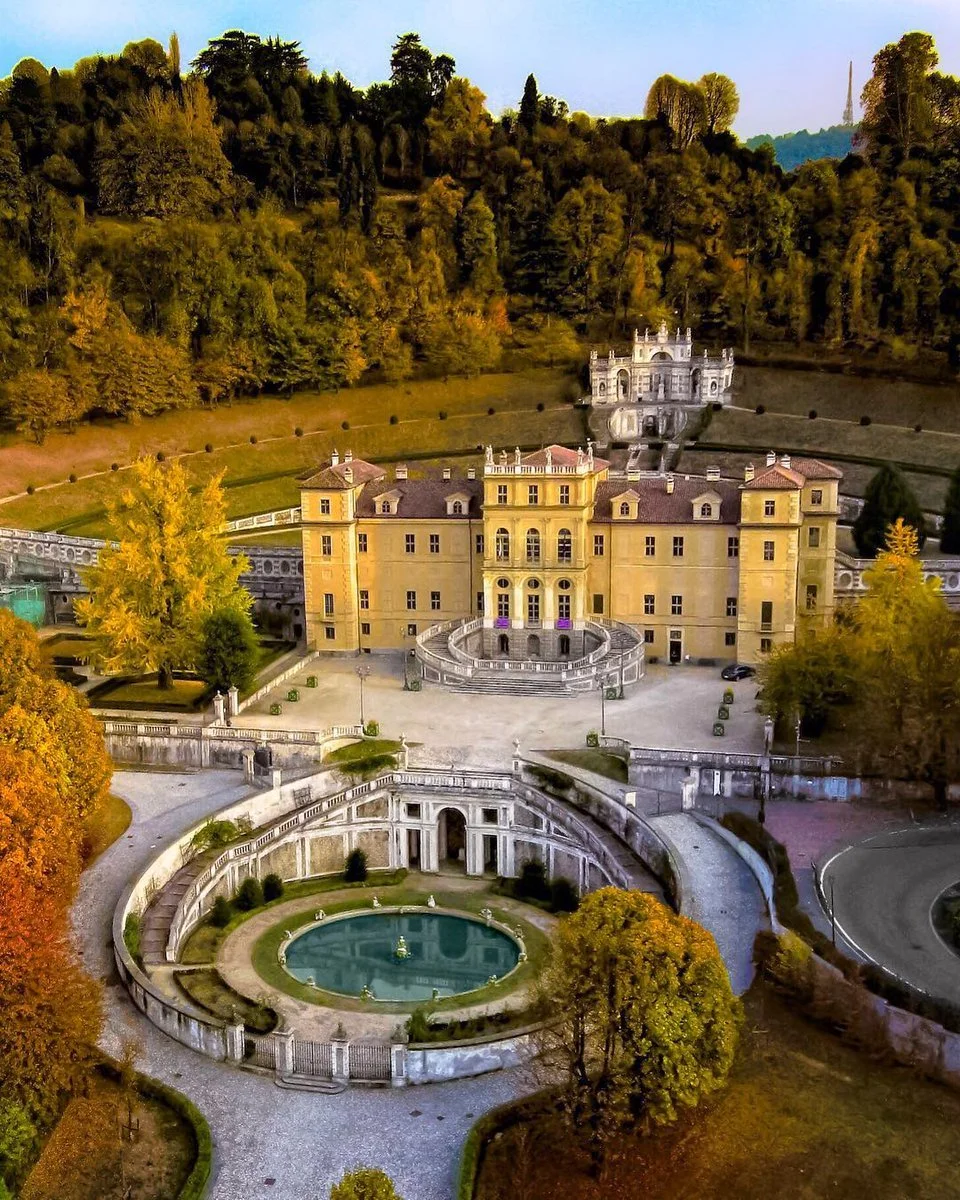
Aglie' Ducal Cstle Photo: Ambra75, CC BY-SA 4.0
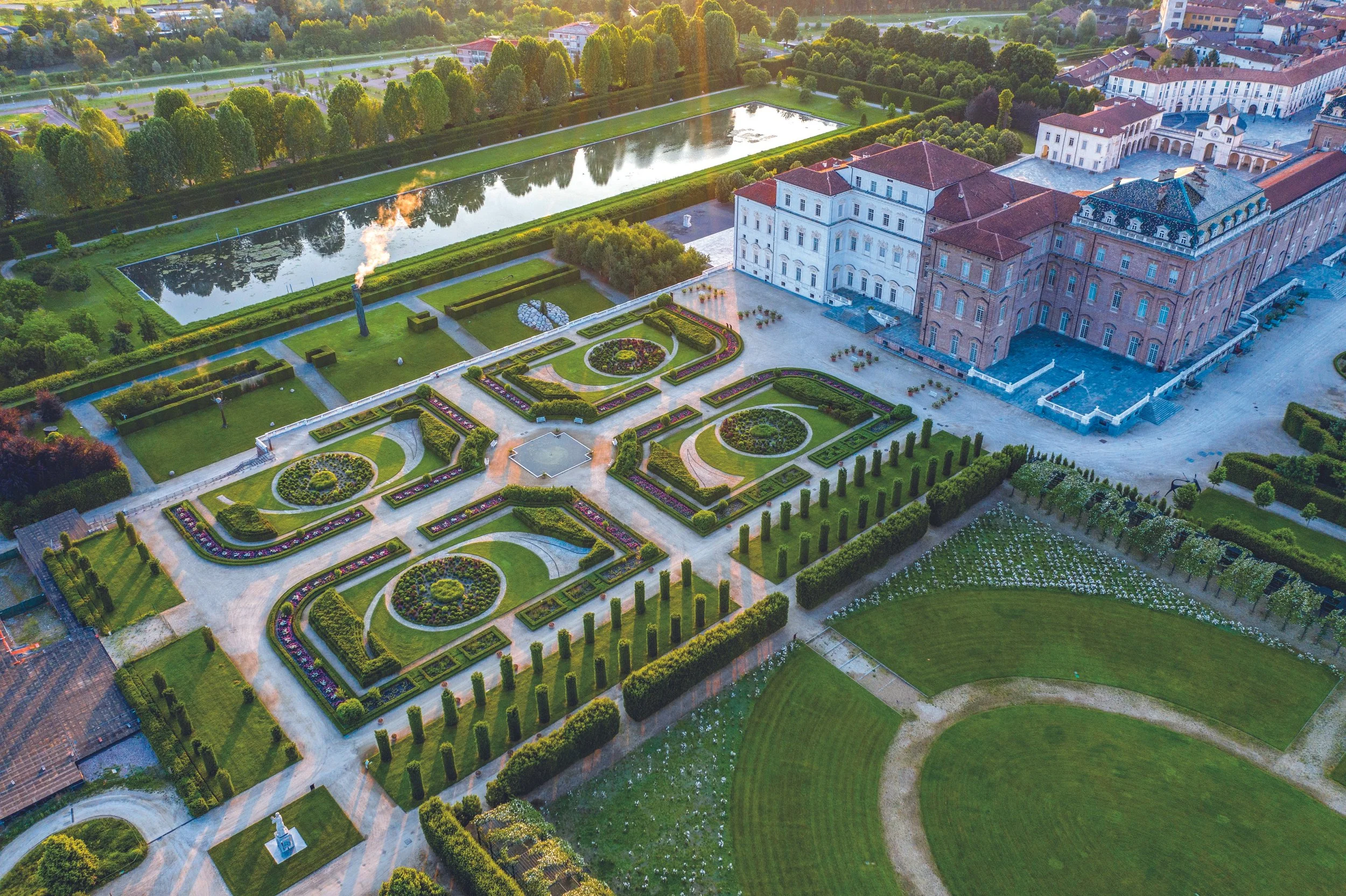
Real Garden of La Venaria Palace
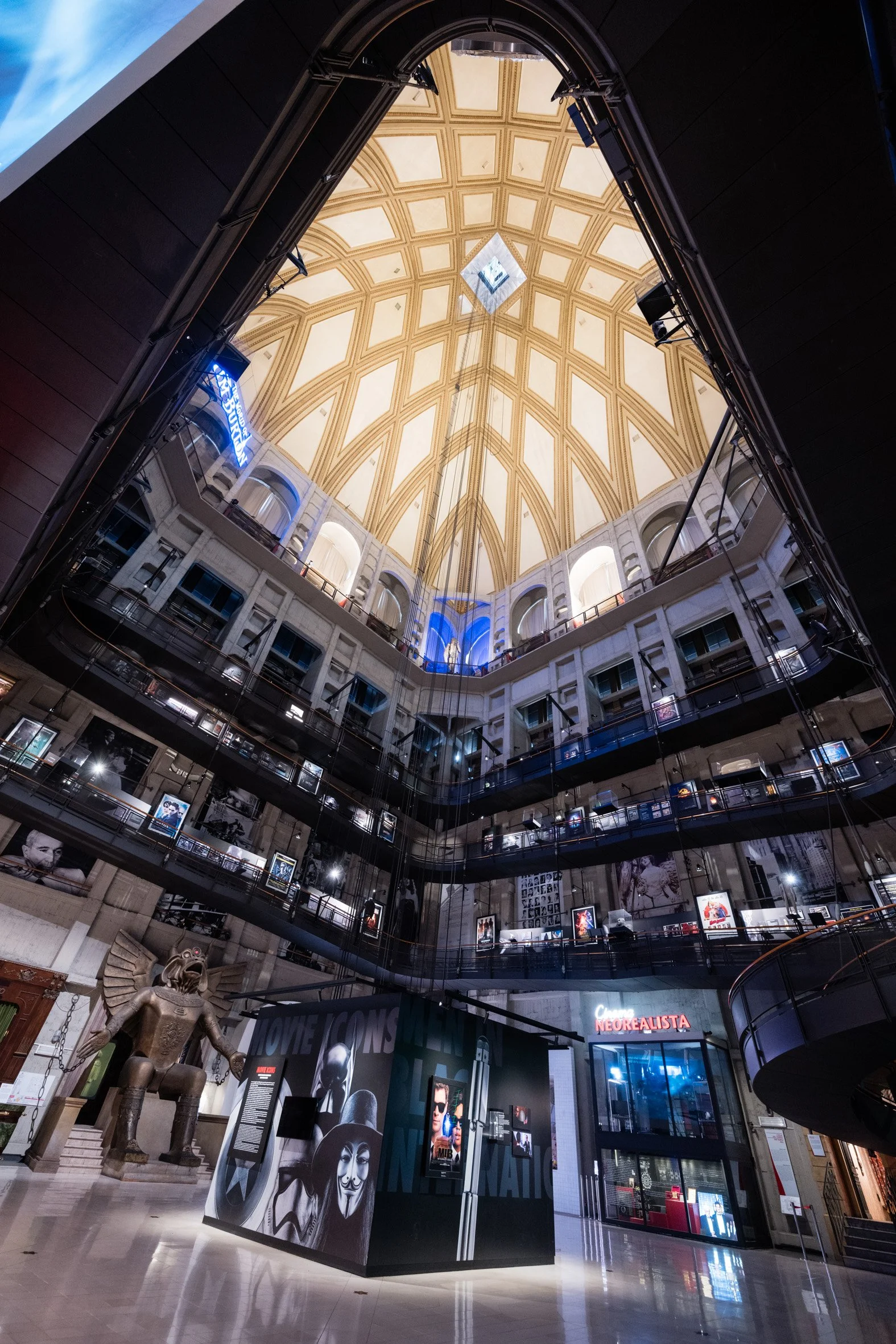
Museum of Cinema
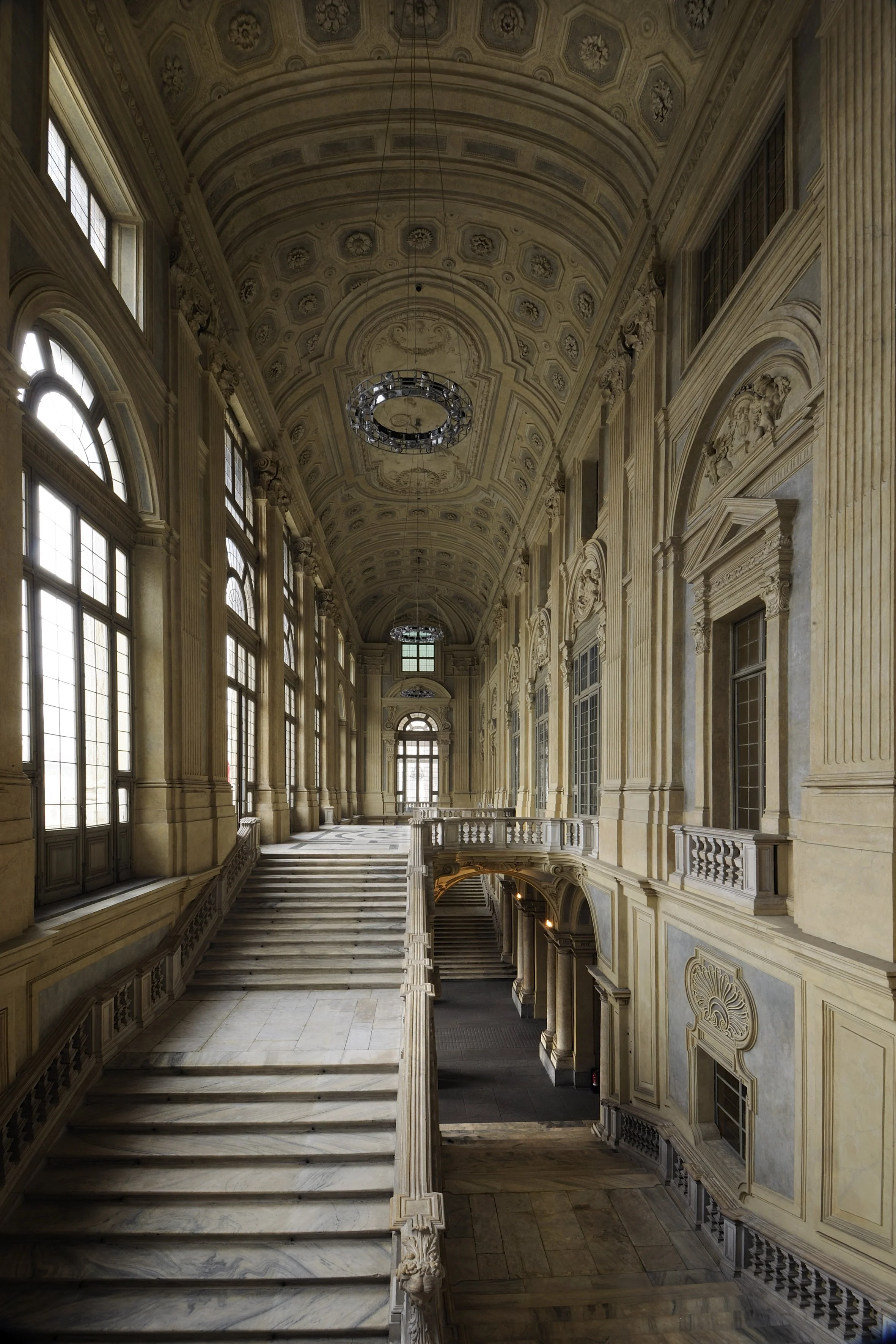
Madama Palace
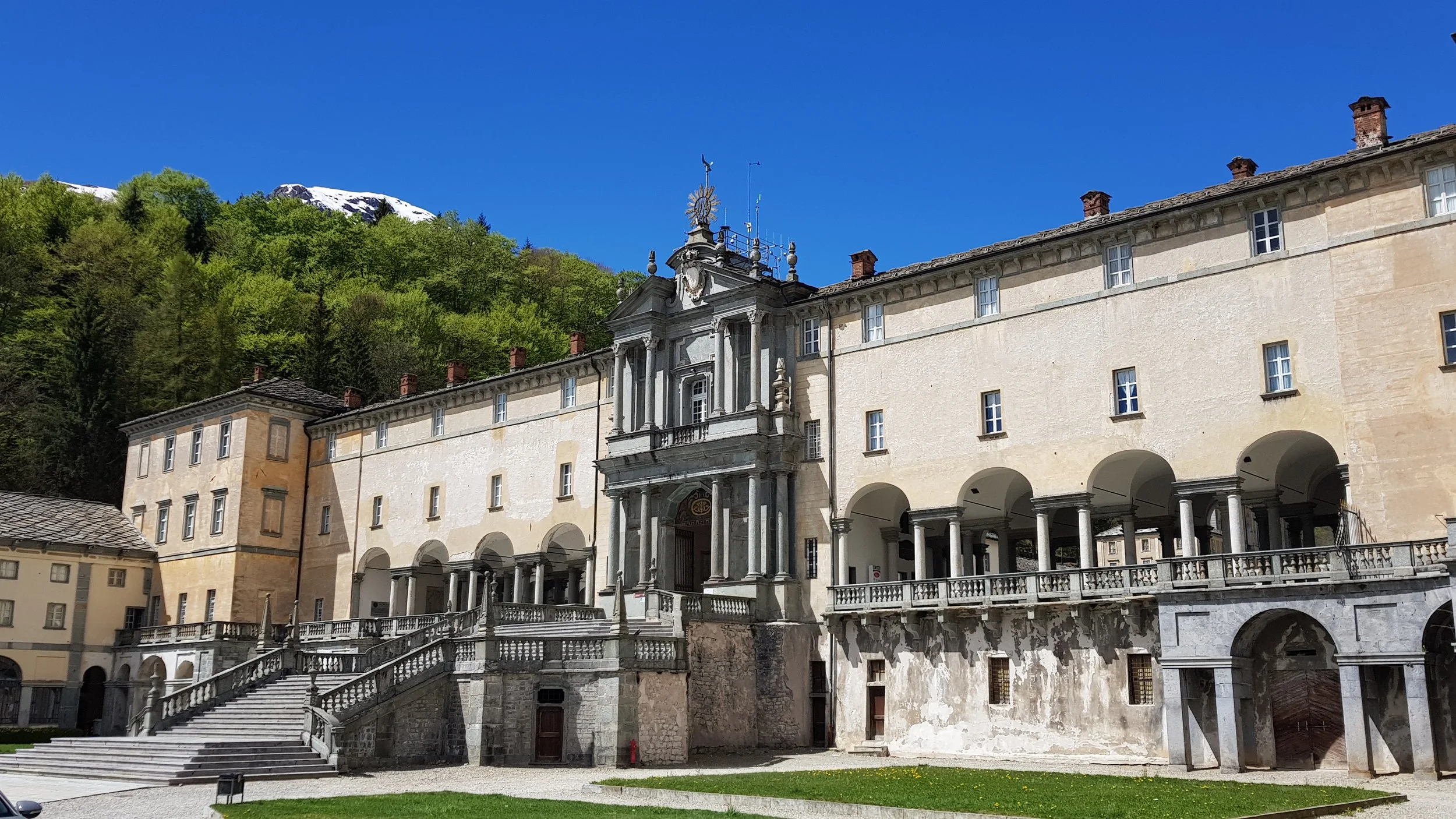
Oropa Sanctuary
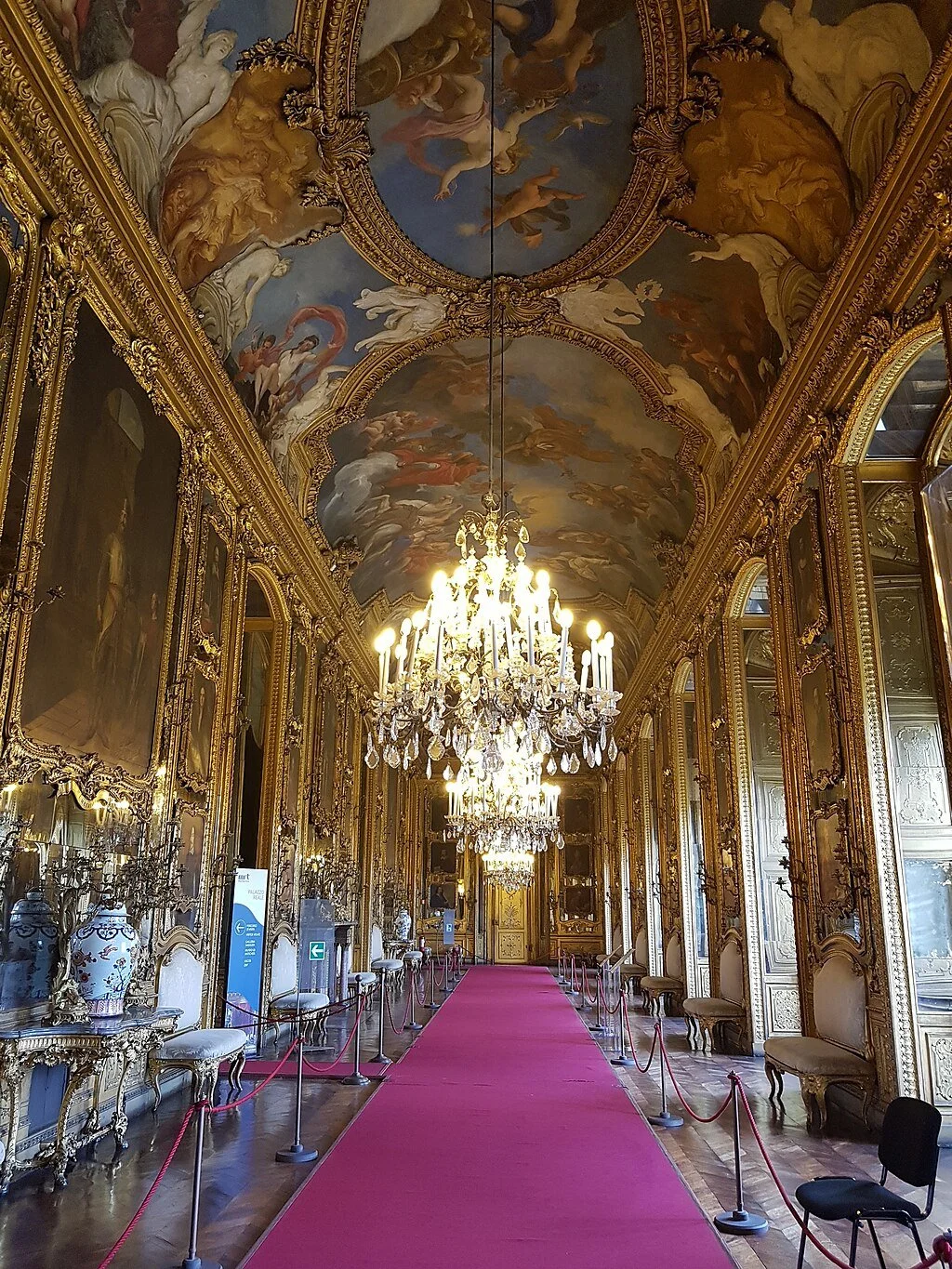
Royal Palace Torino Photo: Ambra75, CC BY-SA 4.0
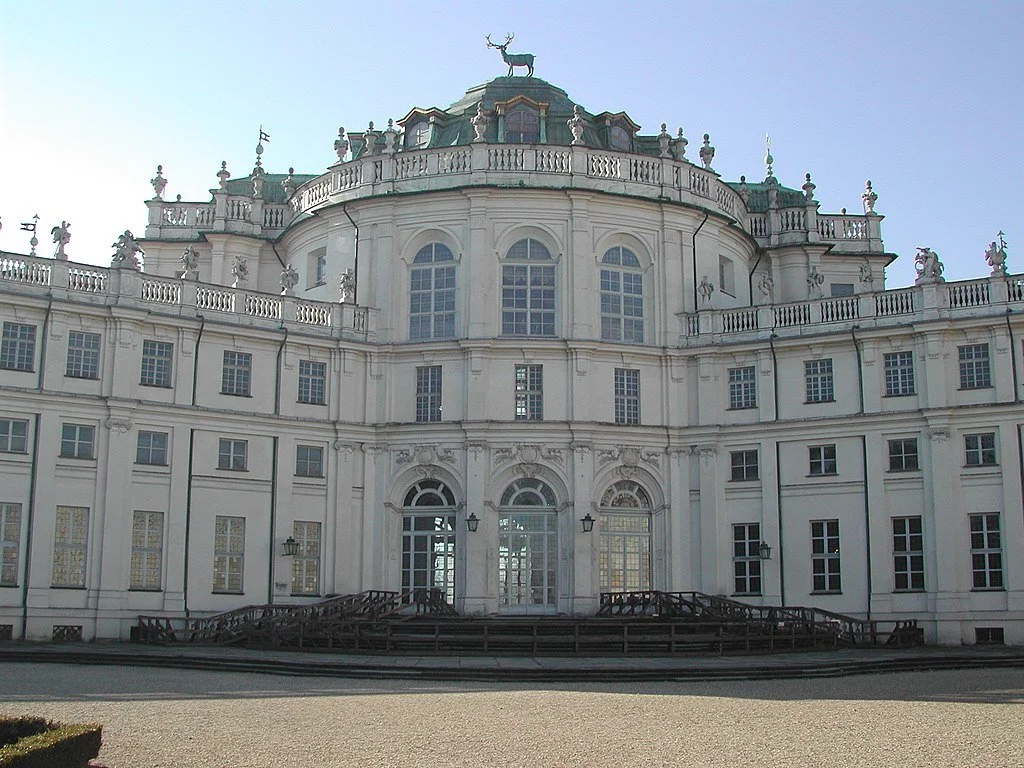
Royal Residences Photo: Francesco Bandarin, CC BY-SA 3.0 IGO
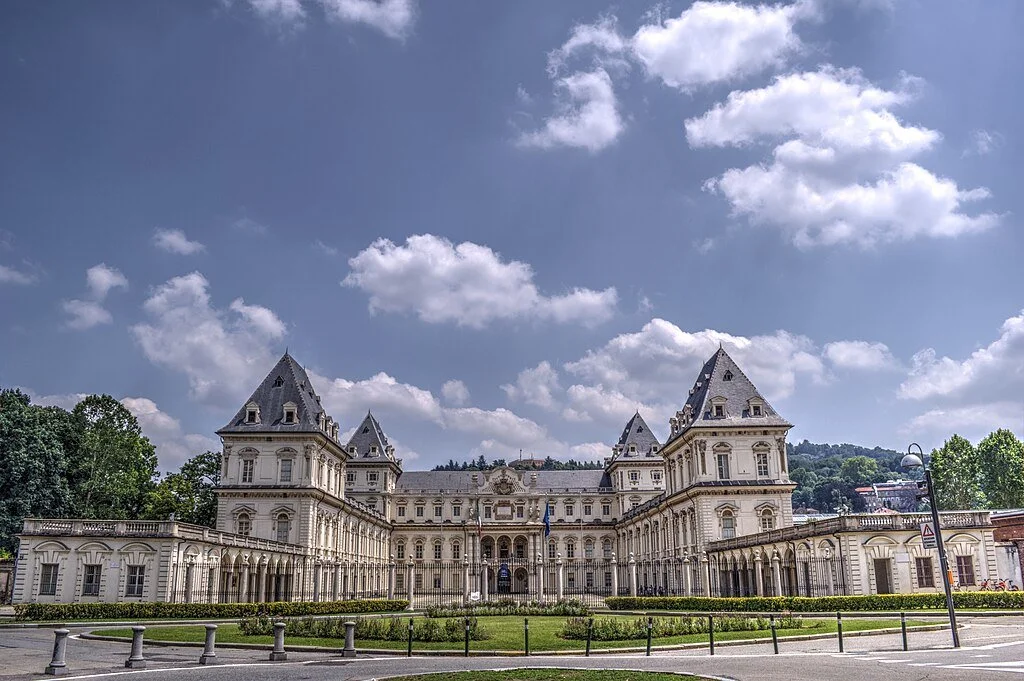
Valentino Castle Photo: Gabriele1k84, CC BY-SA 4.0
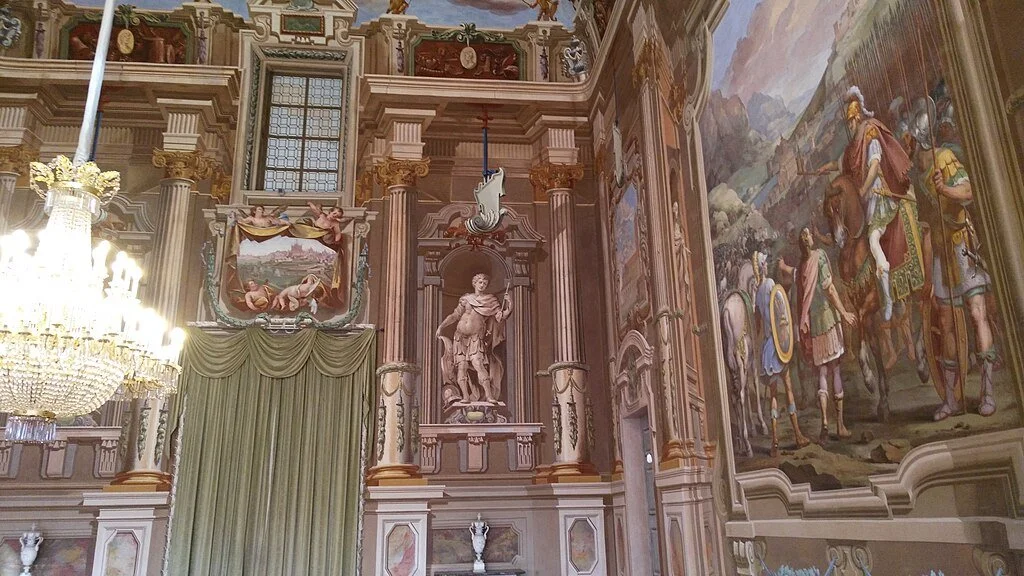
Aglie' Ducal Castle Photo: Ambra75, CC BY-SA 4.0
The main artistic currents of the Italian 20th century were born in Piedmont, from the exuberance of the Futurists to Felice Casorati, from the Situationist International to the Arte Povera of Michelangelo Pistoletto from Biella.
-
Piemonte region has several UNESCO World Heritage sites : the Royal Residences with their palaces, churches, summer residences and magnificent gardens; the Vineyard Landscapes of Langhe-Roero and Monferrato; the Sacred Mountains, devotional complexes erected between the sixteenth and seventeenth centuries perfectly integrated into a natural and landscape environment of hills, woods and lakes; the archeological site of Viverone, Azeglio, included in the system of prehistoric pile dwelling sites in the Alps.
-
Among the scenic beauties of the Piedmont region, Lake Maggiore is certainly not to be missed.The Borromean Islands, spearheads of Lake Maggiore for their historical and naturalistic charm, are absolutely worth visiting. Among these, the most important are La Bella Island and La Madre Island.
The Gran Paradiso National Park ,surrounded by the majestic peaks of the Alps, is an ideal destination for those looking for an experience in direct contact with nature. The wonderful scenery of the Langhe makes the town an ideal destination for nature lovers as well. From the paths that cross hills covered with vineyards you can admire unforgettable views.
-
Famous all over the world for its truffles, it attracts thousands of visitors every autumn thanks to its International White Truffle Fair, an event that celebrates not only this precious product, but also the entire local food and wine The wine-growing landscapesof Piedmont, Langhe, Roero and Monferrato became a UNESCO World Heritage Site in 2014. Wines are the jewel in the crown of Piedmontese wine production, most notably Barolo,Barbaresco and Barbera. The vineyards of Langhe, Roero and Monferrato are therefore an exceptional example of man's interaction with his natural environment.
-
The Savoy family had the Royal Residences built between the seventeenth and the eighteenth century. When visiting the noble residences you will be taken on a journey back in time and you will find yourself immersed in places rich in symbols of the hegemony of the noble dynasty, including castles that served as a base for hunting trips, holiday resorts and the palaces of power that UNESCO has declared a World Heritage Site.