ROME
Rome “the eternal city” is the capital of Italy. It is unique and incomparable thanks to its rich historical and cultural heritage. It is a metropolis that retains the charm of the ancient Roman Empire and the glories of Michelangelo and Caravaggio and combines them with the modernity of MAXXI, the National Museum of 21st Century Art. It is difficult not to fall in love with it as it is an immense open-air museum.
About Rome.
Sumptuous palaces, wonderful parks, beautiful villas, and imposing monuments witness the glorious past of Rome.
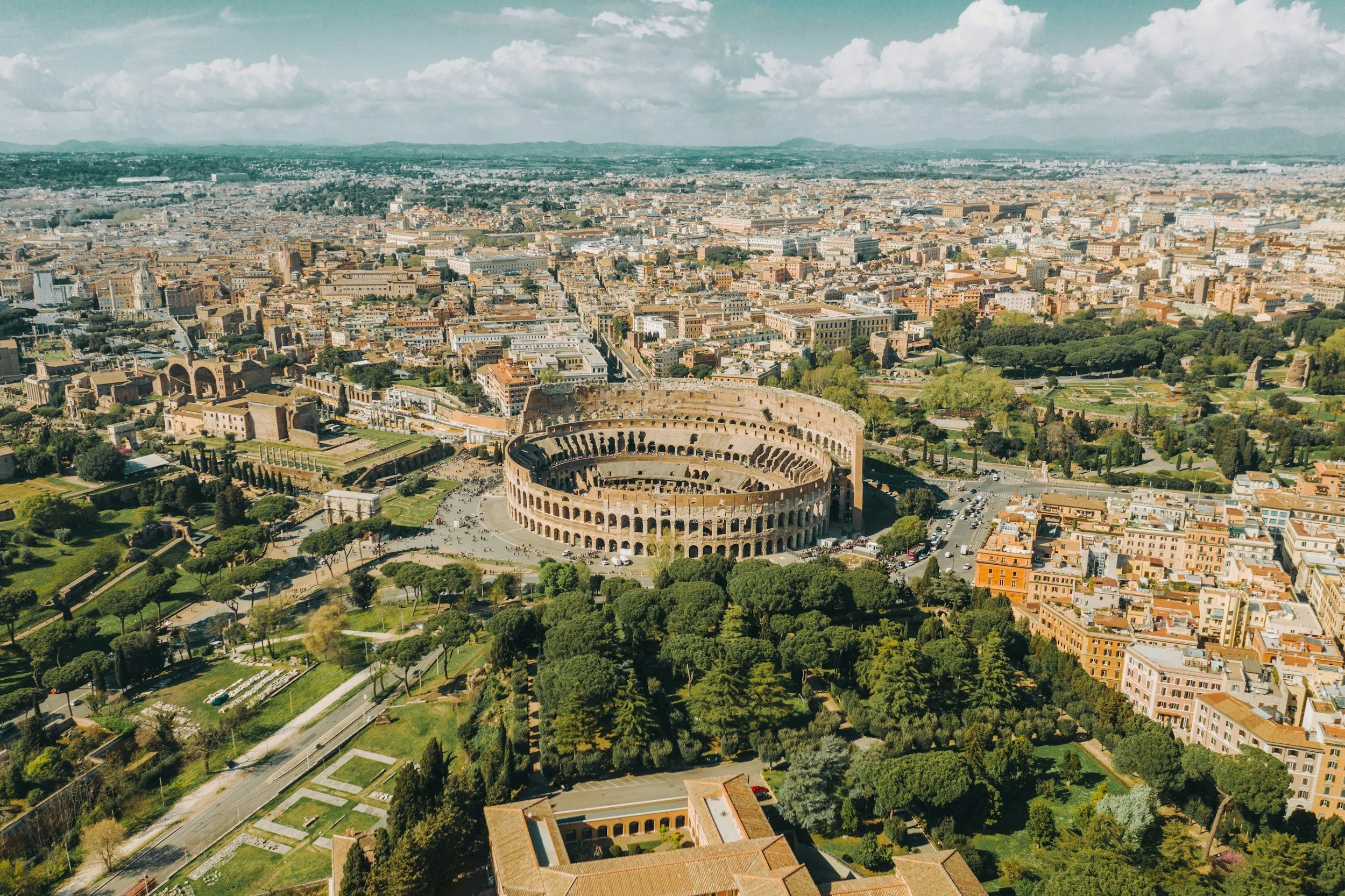
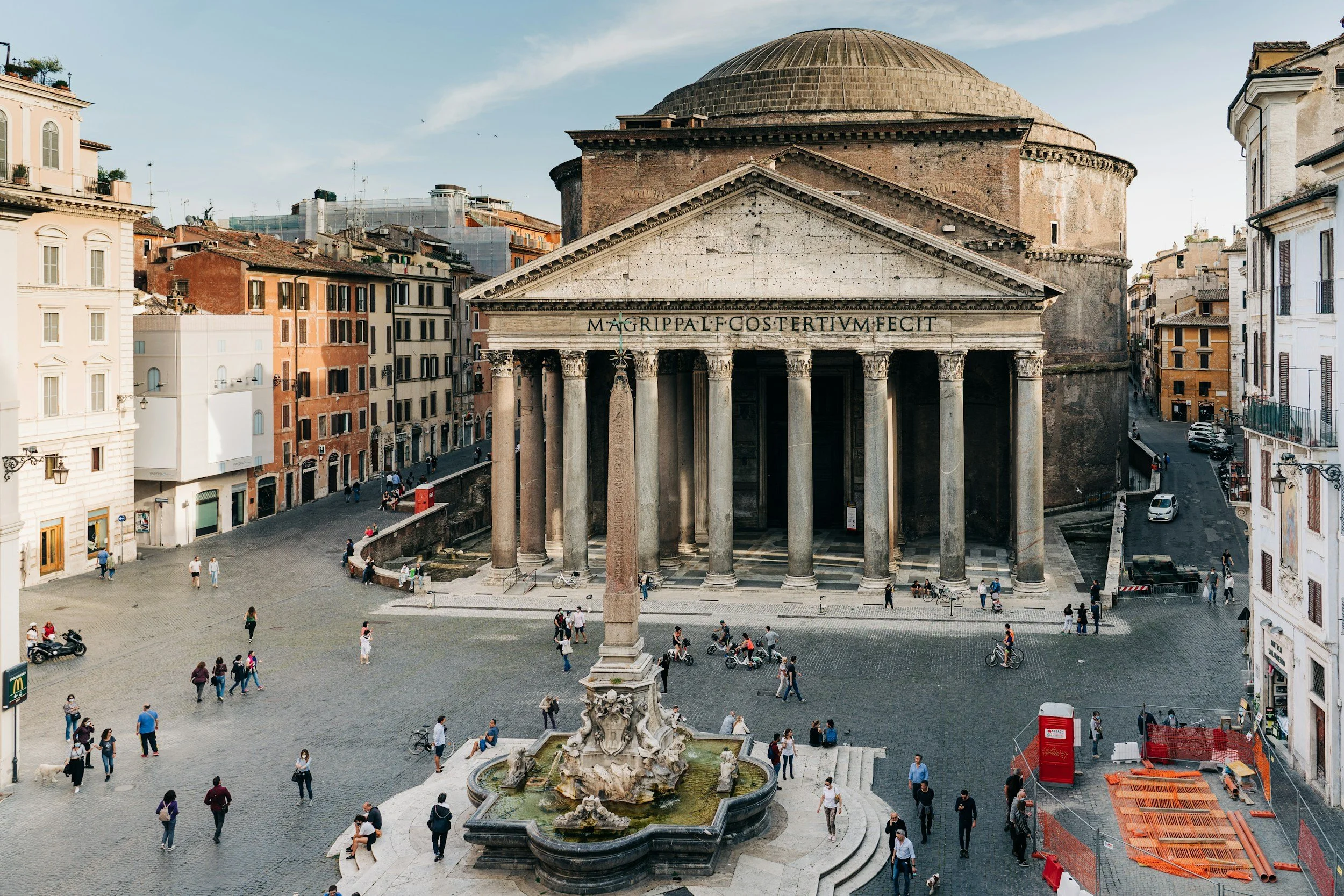
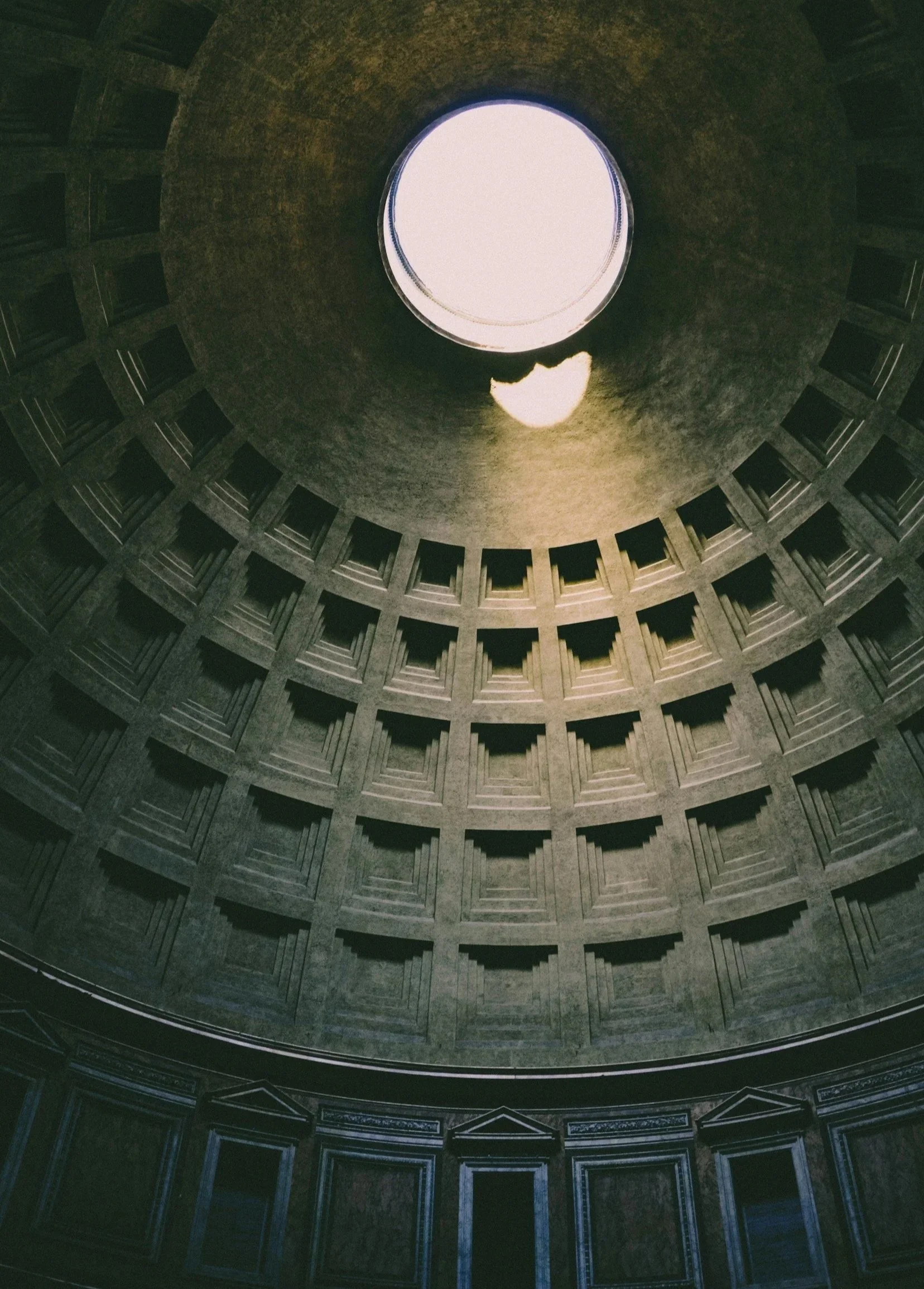
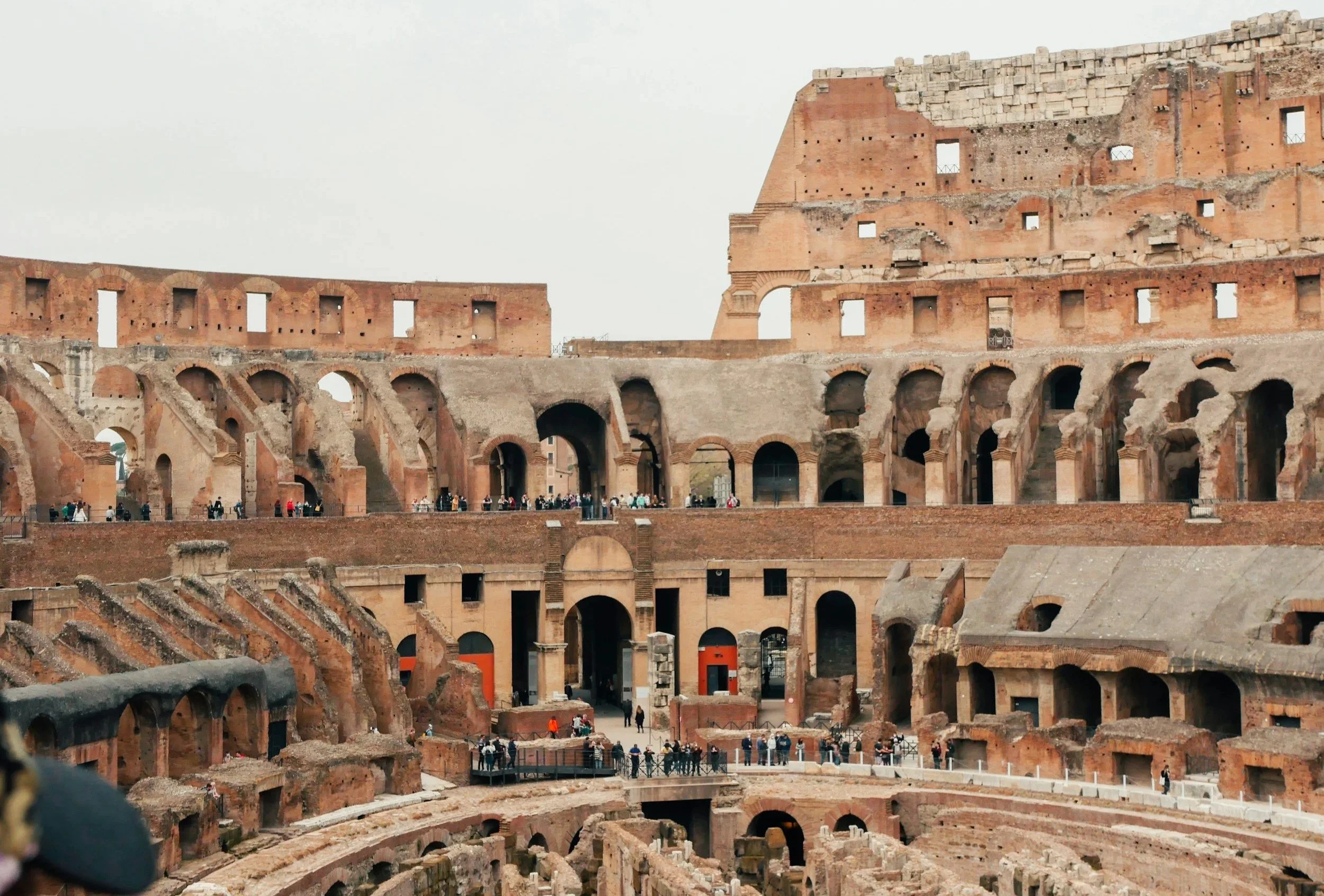
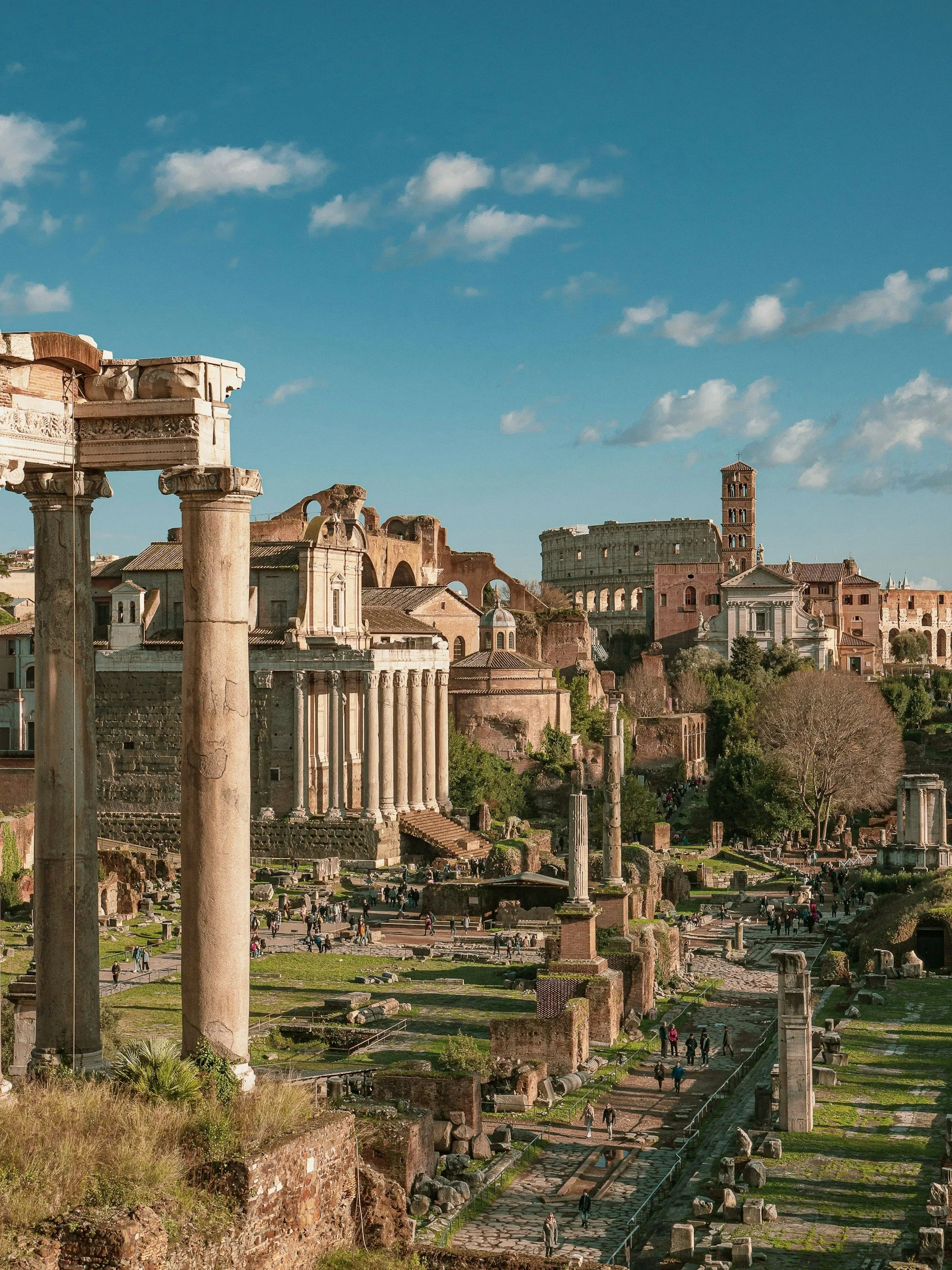
The Colosseum, built in 72 AD, is the symbol par excellence of the city. It is also known as the Flavian amphitheater, and it was the largest in the ancient world. You will visit its arena, the “hypogeum”, which is the underground area, and the famous Gladiators' Gate. The archeological area of the Roman Forum was the ancient political center of the city. There you can admire the oldest and most important temples of the ancient city: from the columns of Vesta to the monumental arches of the Basilica of Maxentius. The Domus Aurea or the Archaeological Park of Ostia Antica is one of the largest and best-preserved archaeological sites in Italy. You can walk among the ruins of Imperial Villas and aqueducts, along the Appian Way Park. The Capitoline Museums, the oldest in the world, were founded in 1471 and house the famous Capitoline She-Wolf. The Pantheon is almost 2000 years old, and for a long time, its dome with a large oculus of nine meters in diameter was the largest ever. The baroque Piazza Navona is famous for its three fountains.
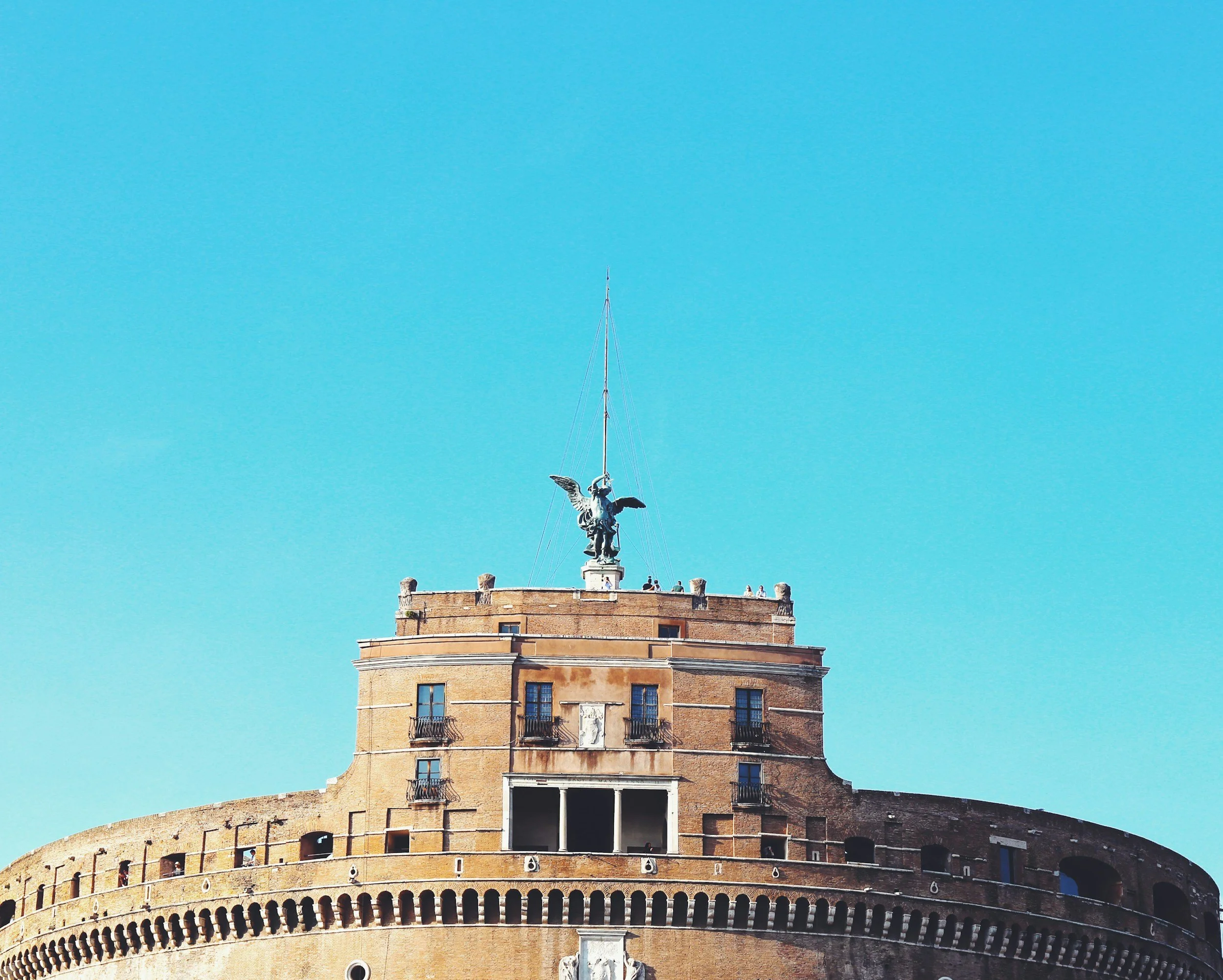
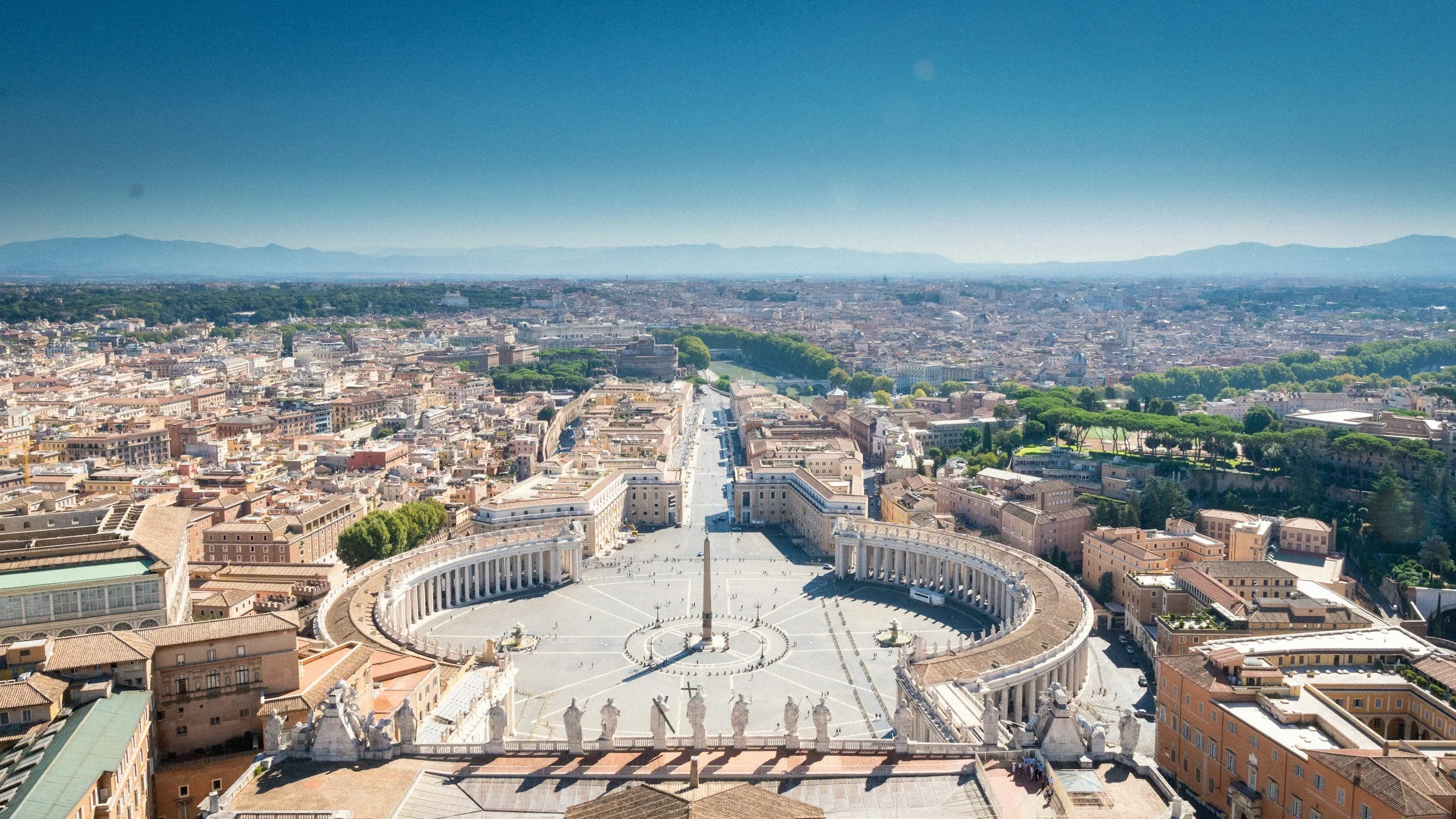
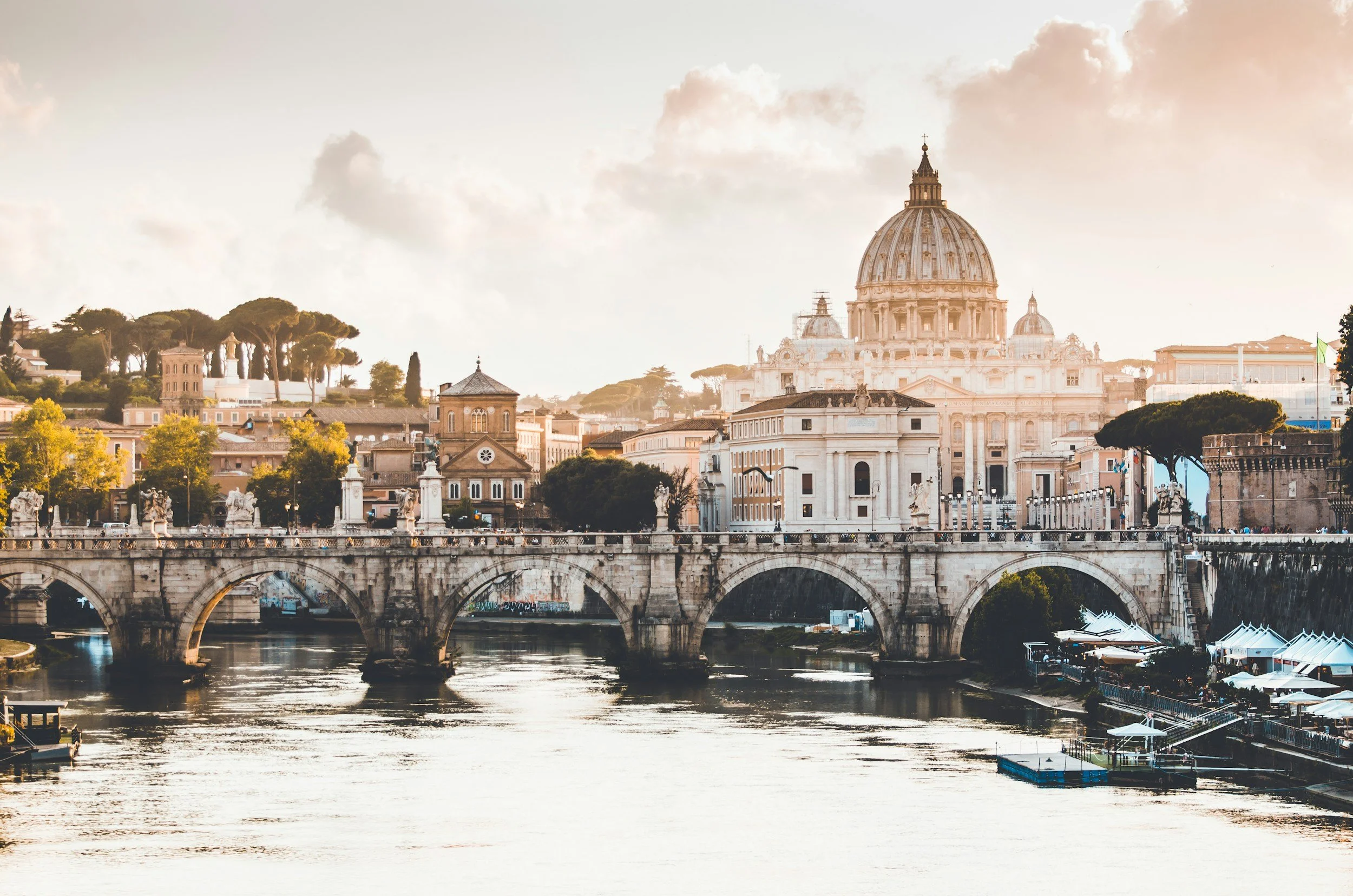
Walking in Campo de' Fiori, you’ll pass through narrow streets full of cafes and shops, and you will finally reach one of the most famous bridges of the city. The bridge, decorated with statues, connects the two banks of the Tiber and leads to Castel Sant'Angelo. Once a mausoleum for great Roman personalities, such as Emperor Hadrian, Castel Sant’Angelo is today a museum full of sculptures, paintings, ceramics, and weapons. From its terrace, the view sweeps over St. Peter's Square and the imposing Basilica.
The Vatican Museums are an incredible labyrinth that winds for 8 km and has 1400 rooms. There are rooms with frescoes by Raphael and works by Leonardo, the mythical Gallery of Maps, which houses rare ancient maps, and then the magnificent Sistine Chapel.
Things To Do
From the Palatine, the city would have extended over the seven hills that we all know: Palatine, Aventine, Capitol, Quirinal, Viminal, Esquiline, and Caelian.
The Colosseum, the amphitheater built in the Flavia era, which is still the largest on the planet, is located right in the center of the city.
The Vatican Museums with the extraordinary Cappella Sistina and Castel Sant'Angelo are some of the beauties of Rome!
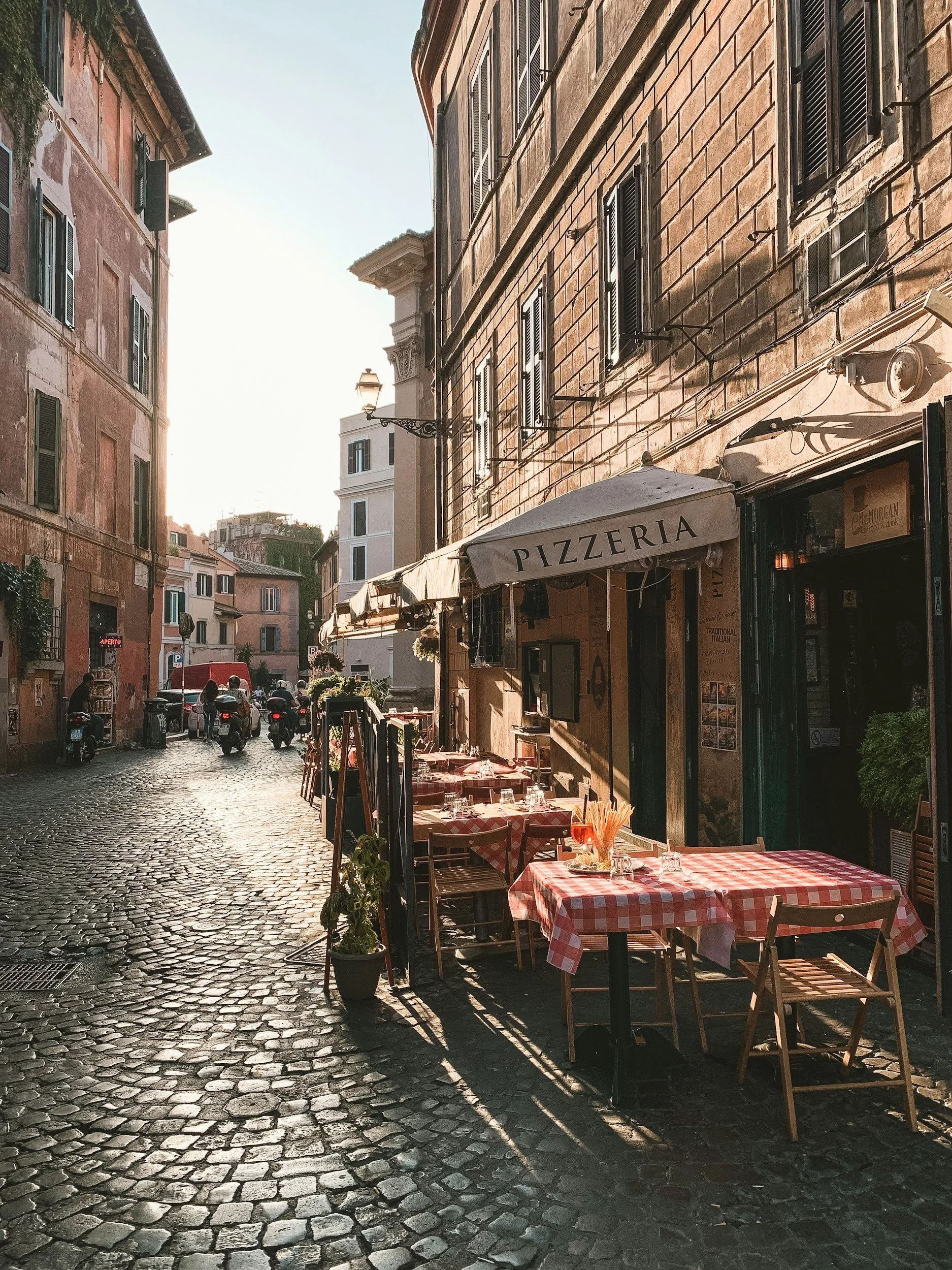
Trastevere with its restaurants. Strolling through the alleyways of this quaint neighborhood is a unique and magical experience.
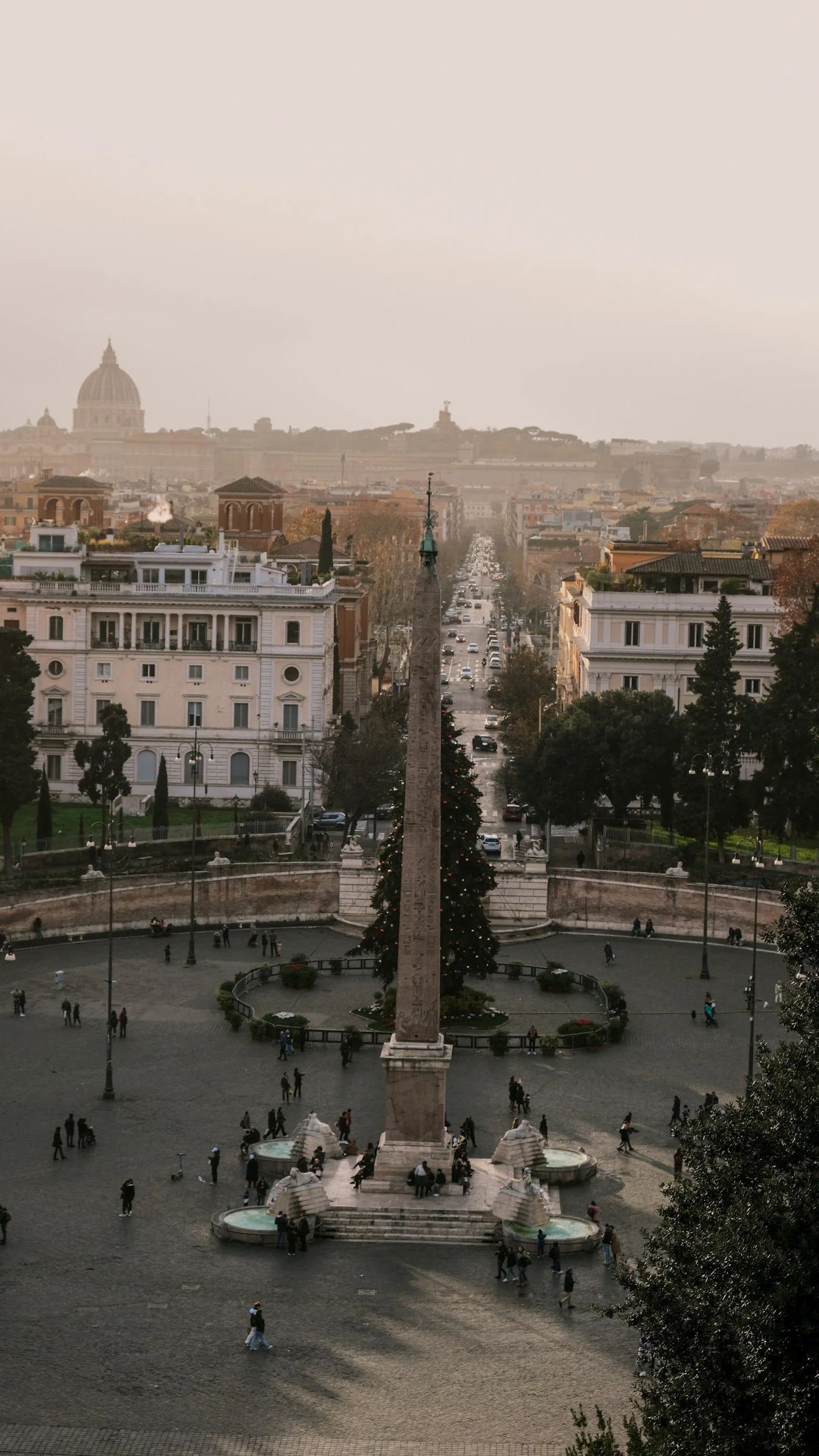
Gian Lorenzo Bernini and his portentous Fountain of the Four Rivers in Piazza Navona, the famous staircase of Trinity of the Mountains, the wonderful Trevi Fountain, the beautiful accommodation of the Valdier in Piazza del Popolo, Michelangelo at the Capitol. Let's start with the 4 largest basilicas in the world, which fortunately are all located in Rome:
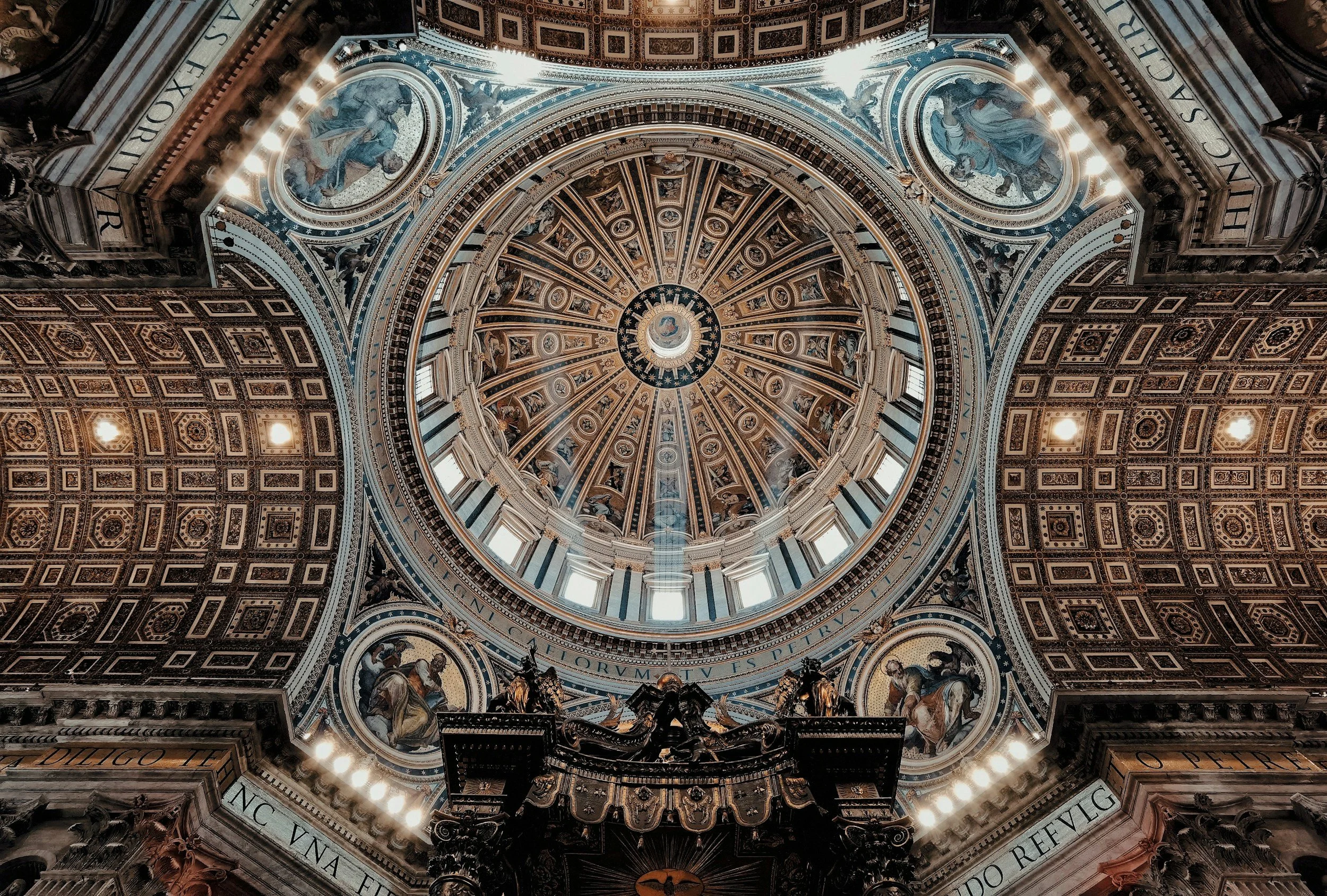
The Basilica of San Pietro in Vaticano; The Basilica of San Giovanni in Laterano, the second largest after St. Peter's Basilica, is also the Cathedral of Rome; The Basilica of San Paolo outside the Walls, which is the site of St Paul's tomb; The Basilica of Santa Maria Maggiore, the largest shrine in the city erected for the Virgin Mary.
The parks in Rome are not only oases of peace surrounded by greenery, they preserve precious artistic treasures. First of all those within the park of Villa Borghese such as the Garden of the Lake, characterized by a romantic artificial islet that dominates the Tempietto di Esculapio or the other numerous buildings inside, so much so that it has brought the villa to "Park of Museums".
Villa Doria Pamphilj with the Casino del Bel Respiro, the seat of representation of the Presidency of the Council of Ministers or the park of Villa Celimontana al Celio enriched by numerous pieces from the Mattei collection scattered in the gardens, among which also stands out The Egyptian obelisk of Ramses II.
The Vatican Museums with the extraordinary Cappella Sistina and Castel Sant'Angelo are only some of the many gems of Rome. From Palatine Hill, the city spread over the famous seven hills which are now part of the city's historical and cultural landscape: Palatine Hill, Aventine Hill, Capitoline Hill, Quirinal Hill, Viminal Hill, Esquiline Hill and Caelian Hill.
The Colosseum, an amphitheater built during the Flavian dynasty, is one of the largest in the world and it is located right in the center of the city.
A walk to the Jewish quarter that Pope Paul IV established as a ghetto in 1555 so that the Jewish population did not mix with the Christian population. In the late 1800s, the ghetto closed and the district was rebuilt.
Piazza Navona, The square was built at the behest of Pope Innocent X, home to three magnificent fountains: that of The Moor, that of Neptune, and that of the Four Rivers, in addition to the imposing Pamphilj Palace and the Church of St. Agnes in Agone.
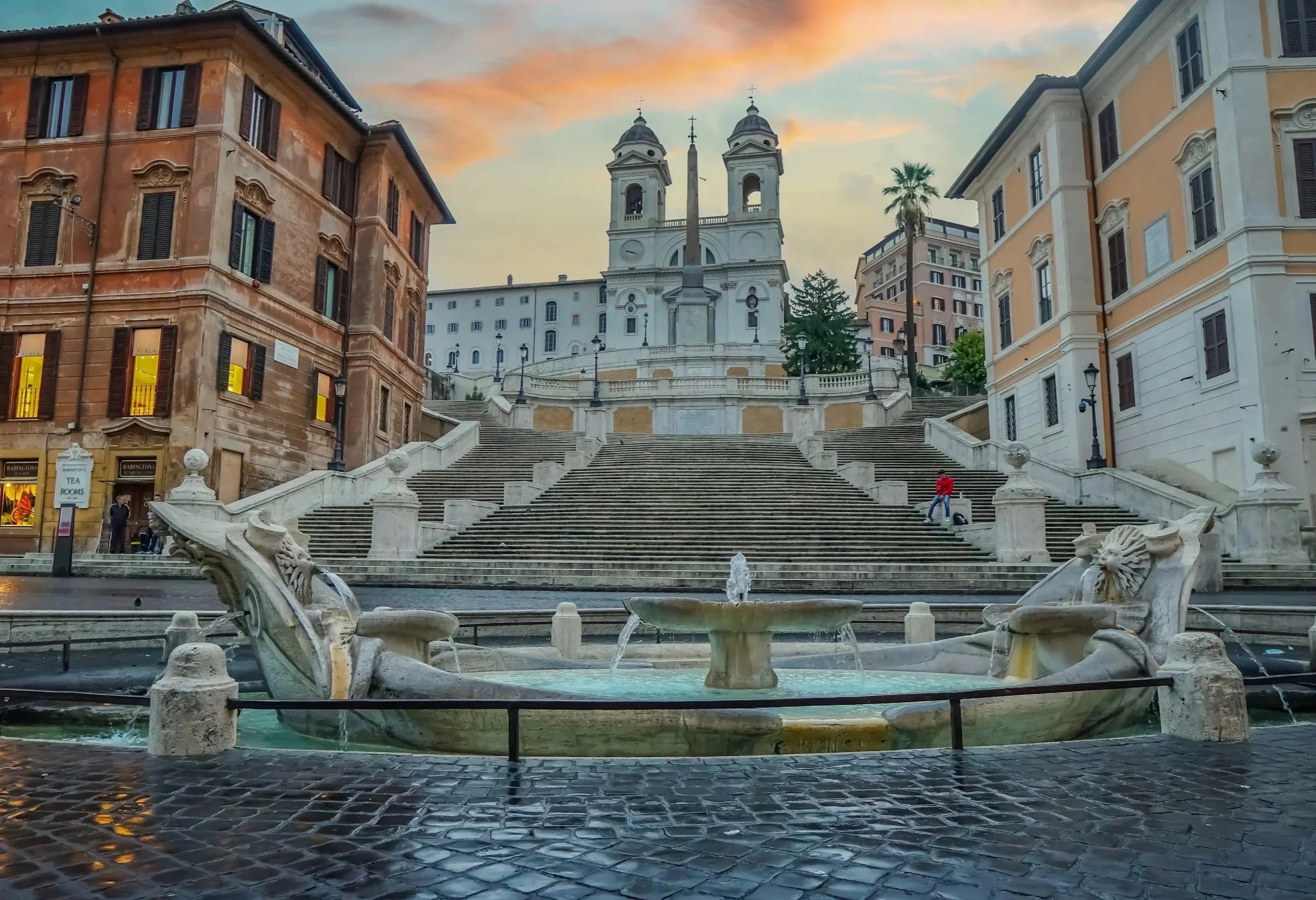
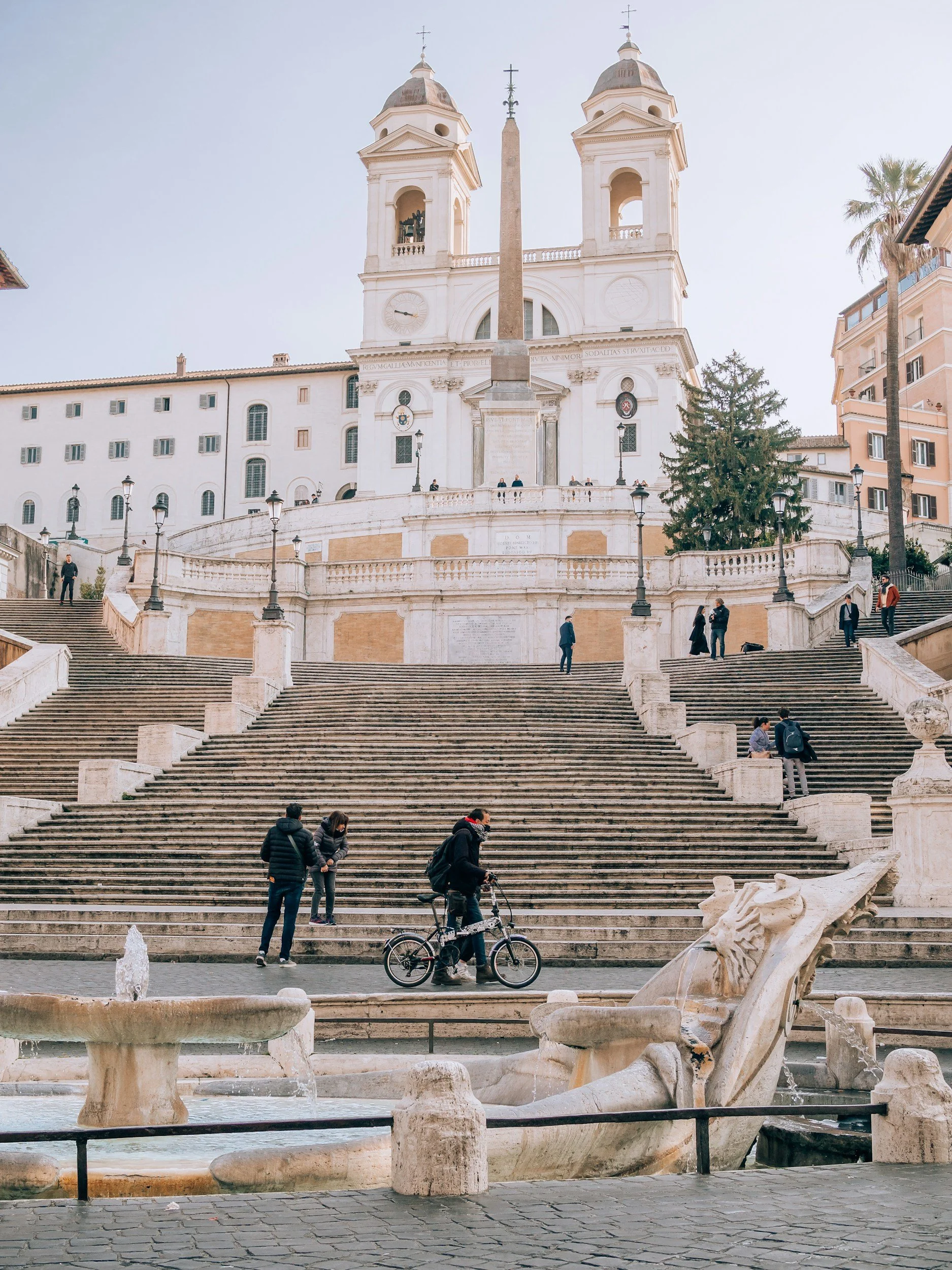
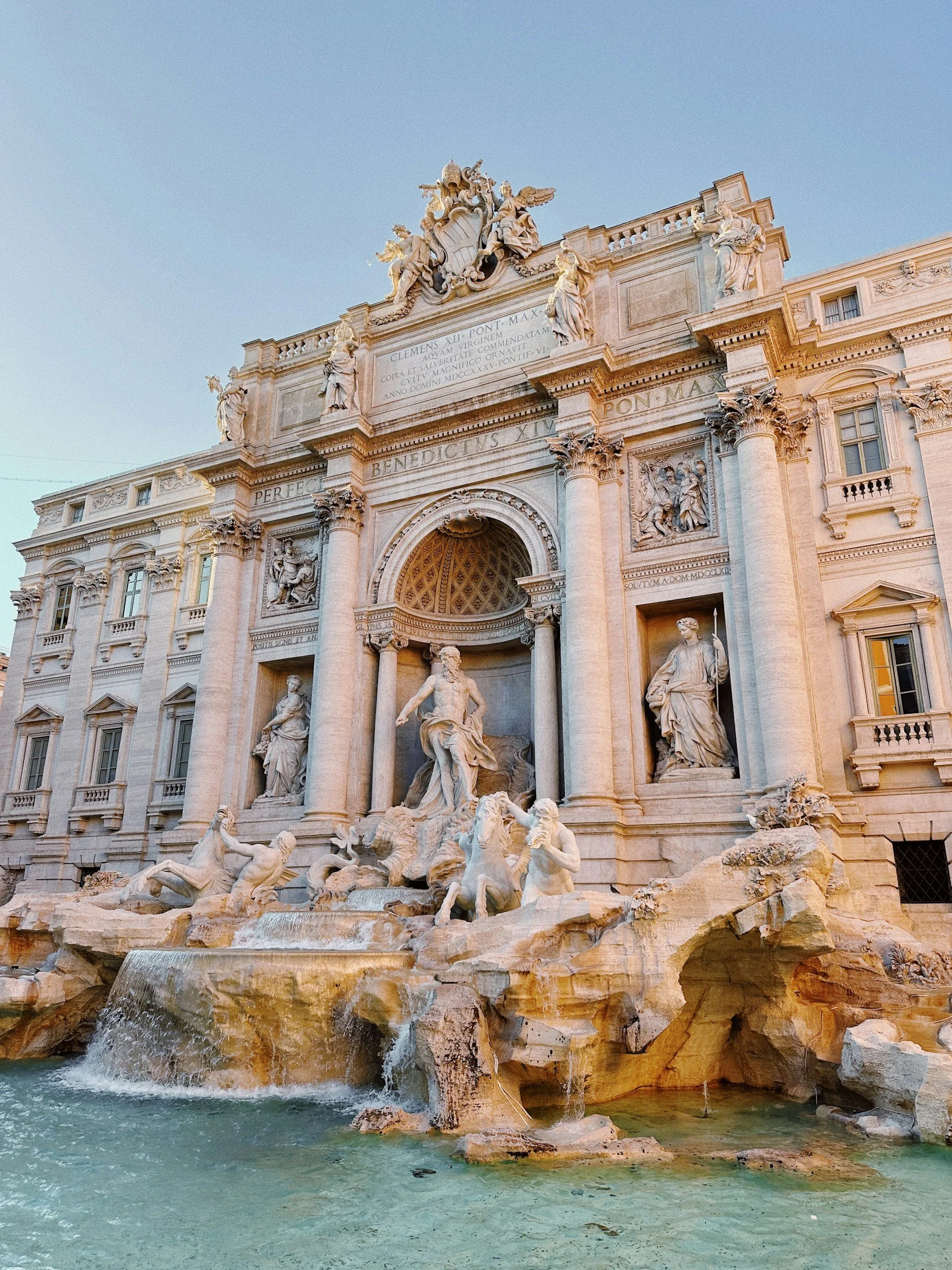
Piazza di Spagna is located at the foot of the monumental staircase that leads to the church of the Trinita’ dei Monti. On the square, you can also see the fountain of Barcaccia from Bernini. You have to throw a coin into the lovely Fontana di Trevi, putting your back with your eyes closed and with your right hand on your left shoulder, to secure your return to the capital. So, at least, says the legend.
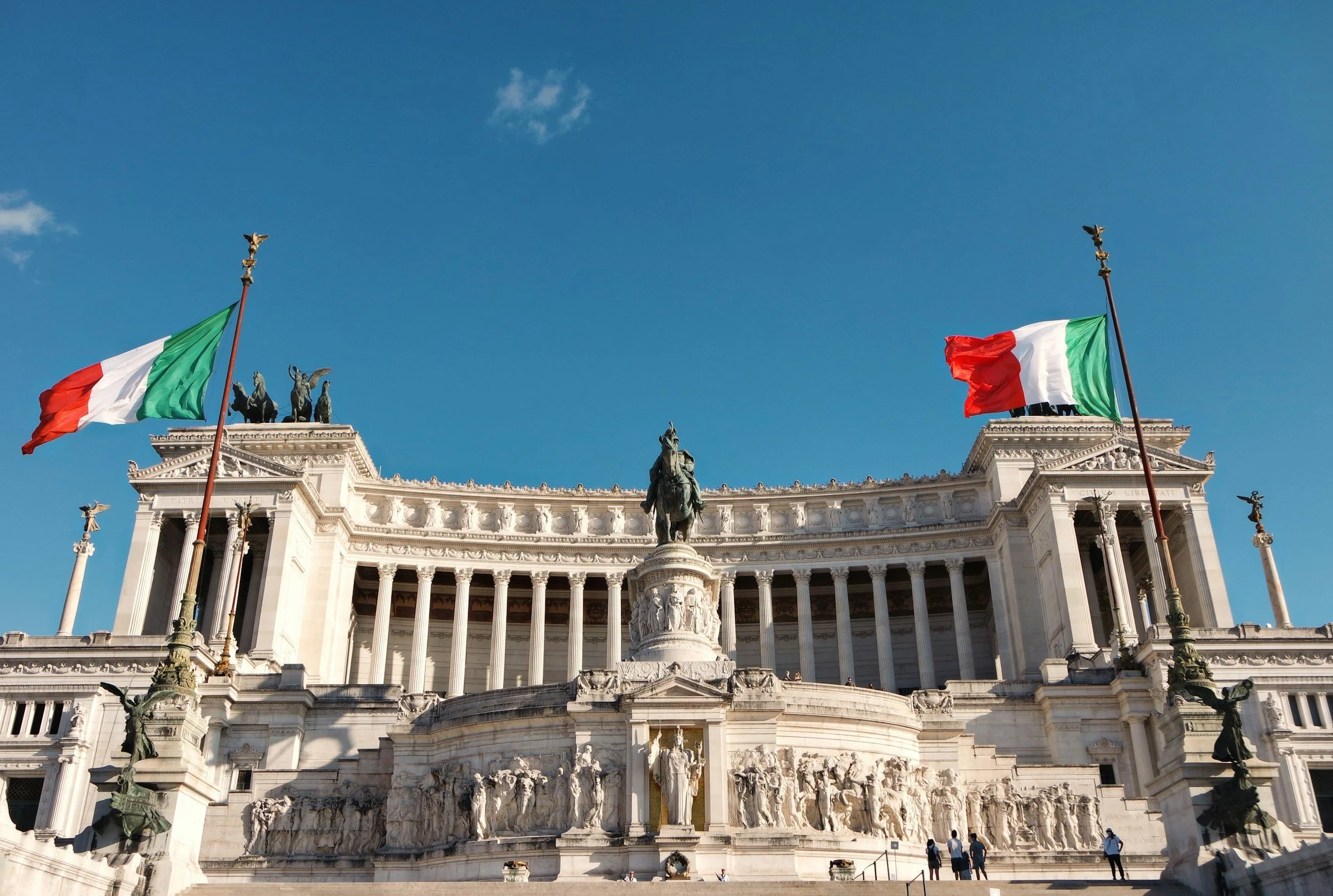
Piazza Venezia, with its intrinsic elegance, makes it one of the places to visit in Rome. Not far from Piazza Venezia is the Altare della Patria, erected in honor of King Victor Emmanuel II, the main proponent of the Unity of Italy. It is one of the most important monuments in Rome, although it does not fall among the monuments of ancient Rome.
Rome has the highest concentration of historical, archaeological and architectural heritage in the world, with over 16% of the world's cultural heritage and 70% of Italy's.
Its historic center, bordered by the perimeter of the Aurelian walls, is an overlapping of testimonies of almost three millennia.In 1980, together with the extraterritorial properties of the Holy See in the city and the Basilica of St. Paul Outside the Walls, it was included in the list of UNESCO World Heritage Sites.From the Palatine, the city would have extended over the seven hills that we all know: Palatine, Aventine, Capitol, Quirinal, Viminal, Esquiline and Caelian. The heart of Catholic Christianity, Rome is the only city in the world to host a foreign state, the enclave of Vatican City: for this reason it is often referred to as the "Capital of Two States".
-
Eternal and mysterious, the capital envelops those who arrive in a pleasant "Rome sickness" that does not abandon, and it is no coincidence that millions of tourists hurry to throw a coin into the Trevi Fountain with the hope of returning to visit it: because in Rome. Legend has it that the birth of Rome is due to Romulus and Remus, the twin sons of Rhea Silvia and the god Mars, abandoned and suckled by a she-wolf and finally adopted by the shepherd Faustulus and his wife Acca Larentia. Once they grew up, the twins decided to found a city: to determine who should rule, they relied on the will of the gods, through the flight of auspicious birds. From the Aventine, Remus saw six vultures, while Romulus, from the Palatine, sighted twelve, becoming the first King of Rome in 753 BC.
-
The Janiculum Walk, from which you can enjoy one of the most evocative views of the historic center of Rome, consists of two large avenues lined with plane trees, bordering the Villa Aurelia, which meet in Piazzale Garibaldi. The Vatican gardens, which are composed of various areas (Italian Garden, English Garden, Pope's Garden) are also home to state offices, such as the Governorate Palace and the State Court.
-
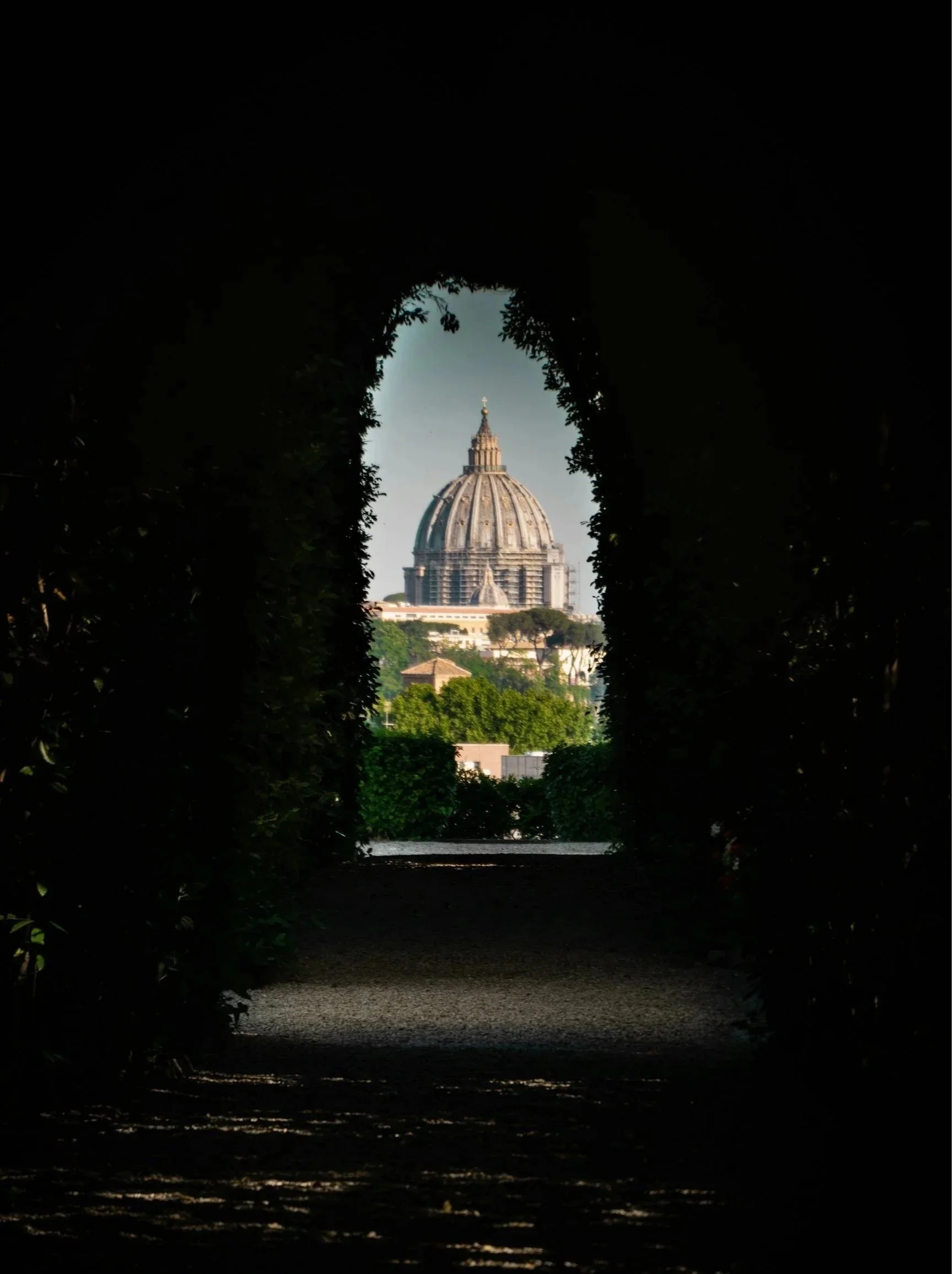
The Keyhole of Rome, is a magic peephole open on the green door of the Priory of the Knights of Malta on the Aventine Hill, resting a good eye on it means finding the perfect glimpse of St. Peter's Basilica and admiring a unique perspective on the dome framed by a row of aligned trees. This stunning telescopic view of St. Peter's dome appears as a framed illusion at the end of a driveway perfectly framed by a curved pergola of trees from the Priory's garden. It is one of the most spectacular and unexpected views of the city and to be experienced in person to fully feel the surprise and excitement of stealing with your eyes a stunning view and perspective magically appearing behind a worn decorative brass hole open on the door. In the Piazza Bocca della Verità, there is the ancient marble mask, one of the most famous symbols of Rome, placed since 1632 in the pronaos of the Basilica of Santa Maria in Cosmedin.
The large round, with a diameter of about 1.80 meters, was probably a manhole from the Roman era, dating back to the reign of Tarquinius Superbus, the last of the seven kings of Rome who built the Cloaca Maxima, a grandiose conduit for draining water. The famous marble disc with the features of a male face with a beard, eyes, nose, and mouth pierced, flanked by some symbols, including a scarab, two claws, and two wolf heads.
The name Mouth of Truth originated in 1485 and is linked to a curious and fascinating medieval legend, according to which the mouth could bite the hand of those who had not affirmed the truth.
-
Ara Pacis and the case of Meier, The structure of the museum is the work of the architect Meier, who replaced the older case of Morpurgo. Temple of Saturno , which stands at the foot of the Capitol. It is the oldest temple in the Roman Forum, second only to that of the Capitoline Triad in the entire city. TheCampidoglio,T Hill is the most advanced point of the ancient proto-urban settlement consisting of the seven hills. From the top of the hill you can see the valley of the Tiber to the west, the Campus Martius to the north and the valley of the Roman Forum to the south.
-
Tivoli, the ancient Latin city, called Tibur, developed in the archaic age. Located at the foot of the Lucretili Mountains, it is framed by nature of extraordinary beauty, ideal for walks and excursions. The city was a privileged destination for novelists, painters, poets, musicians, who completed their cultural training and sought inspiration from its works of art, its monuments and its landscape. In addition to the famous villas, listed by UNESCO as a World Heritage Site. Terme of Caracalla, The Thermae Antonianae, one of the largest and best preserved thermal complexes of antiquity, was built at the behest of the Emperor Caracalla on the Piccolo Aventino between 212 and 216 AD, in an area near the first stretch of the Appian Way. The Casa of Dante in Rome constituted on 27 April 1914, has the aim of promoting conferences and public readings of Dante's works or those connected to them, as well as carrying out activities suitable for supporting studies and illustrating and favoring a better knowledge of the life, times and works of the Poet. The Borghese Gallery houses the collection initially established by Cardinal Scipione Borghese at the beginning of the Seventeenth century and preserves masterpieces by Antonello da Messina, Giovanni Bellini, Raffaello, Tiziano, Correggio, Caravaggio, and splendid sculptures by Gian Lorenzo Bernini and the Canova.